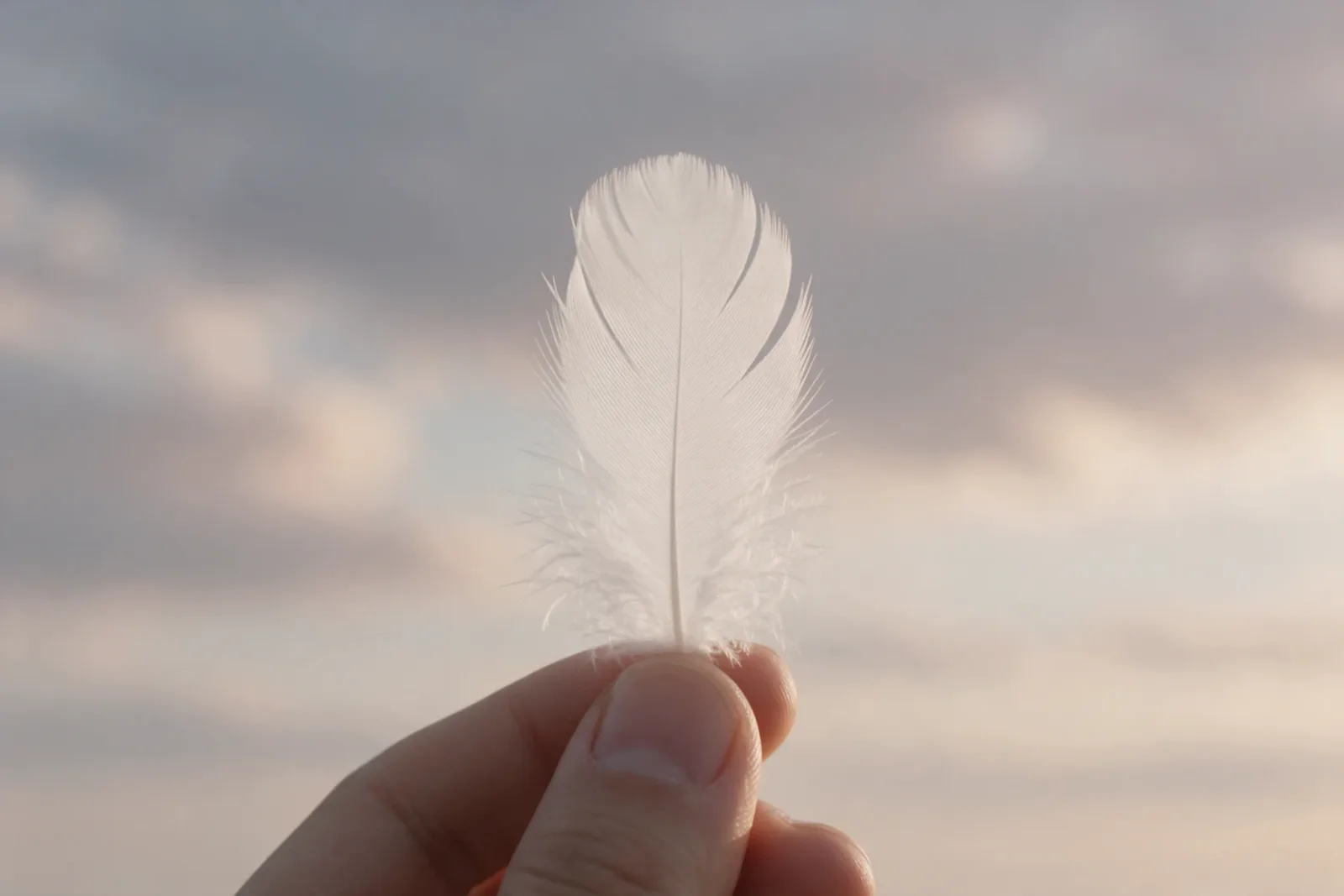
A feather from a friend is the kind of thing you keep without quite knowing why. It is a white feather, found in a field or on a windowsill, light enough to blow away, and yet it gets placed on a shelf or pressed into a book, kept long after it has lost its shine. We do this for creatures we will never touch, and the habit is older and deeper than we usually admit.
The token's small weight
A feather is a token, a proof of proximity. It fell from a bird that was here and is now gone, and holding it is a way of holding a little of that passage. We keep it not because it is useful but because it is real, because it belonged to a creature that lived its own life in the same sky as us. The feather is the evidence that the wild world brushed against ours.
Why a stork's feather matters
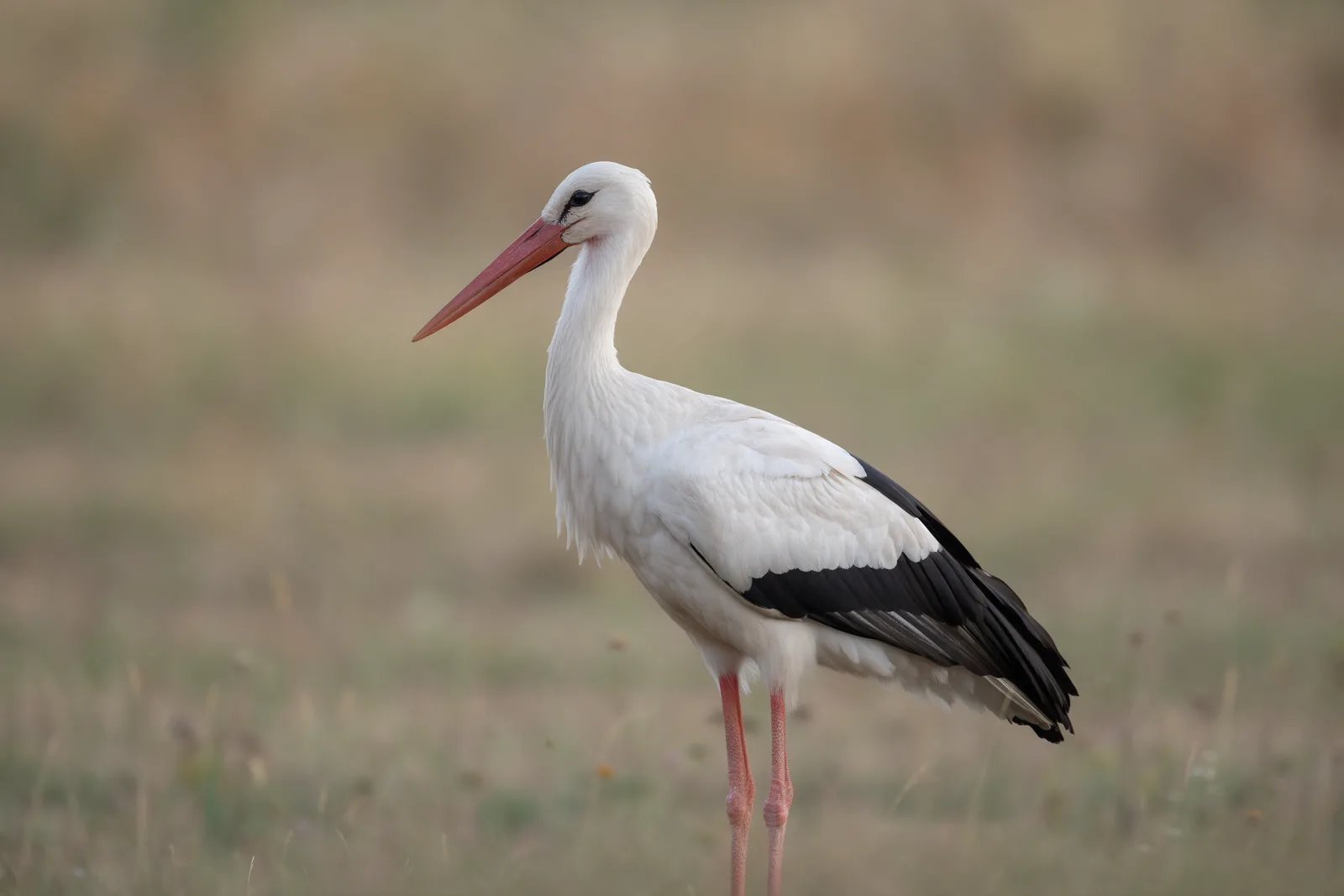
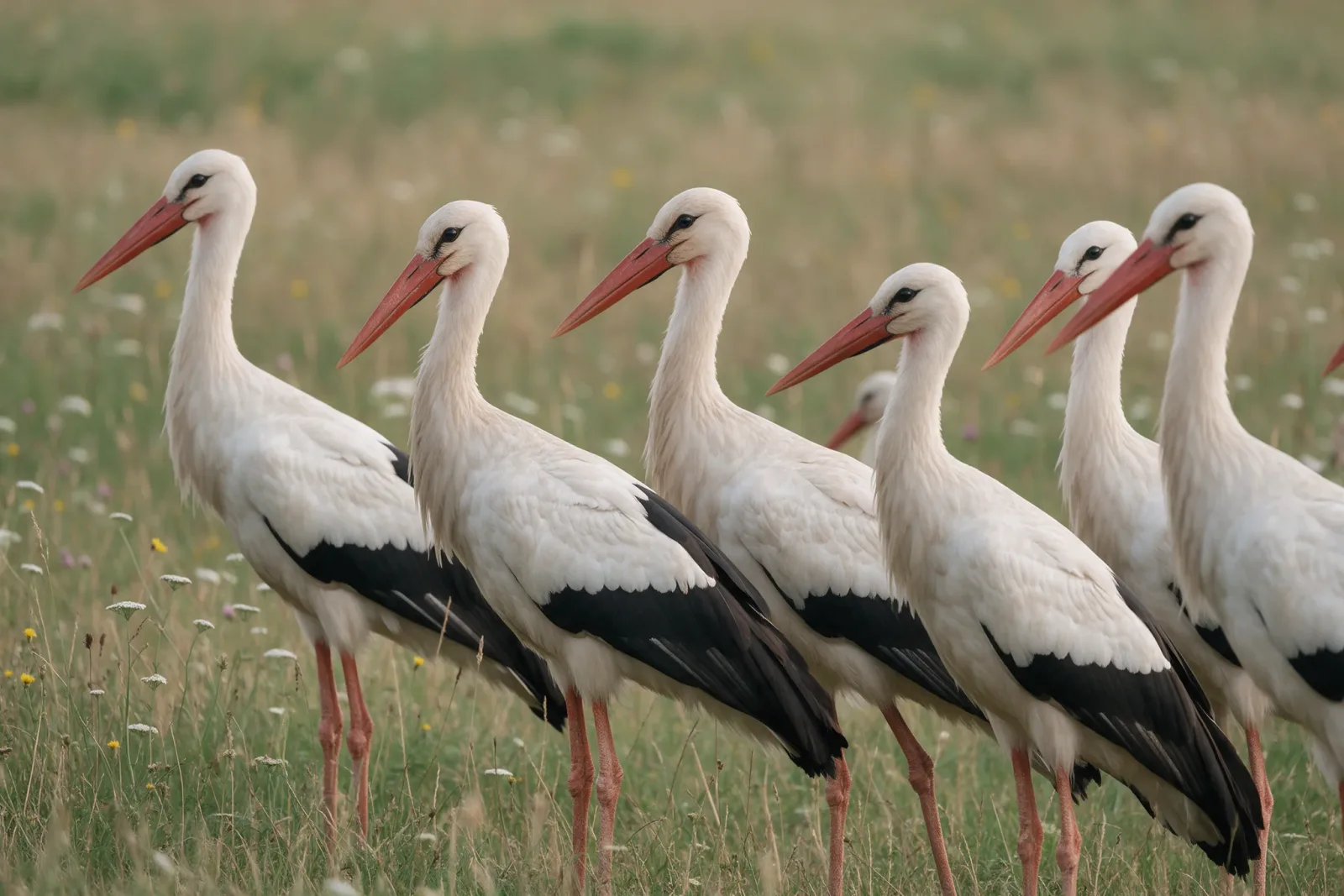
A stork feather carries a particular weight. Here is a bird that crosses continents, that rides the warm air over seas and deserts, and its feather lies in a child's palm, unremarkable and full of meaning at once. To keep a stork feather is to keep a small part of that journey, a white fragment of a creature that is, even now, somewhere far away, travelling.
The tokens we choose
We choose our tokens the way we choose our friends, by a feeling we do not fully understand. A shell from a beach, a stone from a river, a feather from a field. None of them does anything. All of them say the same thing, which is that we were here, and so was this, and we want to remember the meeting.
What a token teaches
A token teaches a child that some things are kept for their meaning rather than their use, and that the smallest, lightest objects can hold the most. A feather costs nothing and lasts for years, and every time the child sees it, the story of the bird it came from is told again.
The feather from a friend does not prove the friendship. It only marks it, the way a name marks a stork, so that we remember what we loved.
Explore the gift