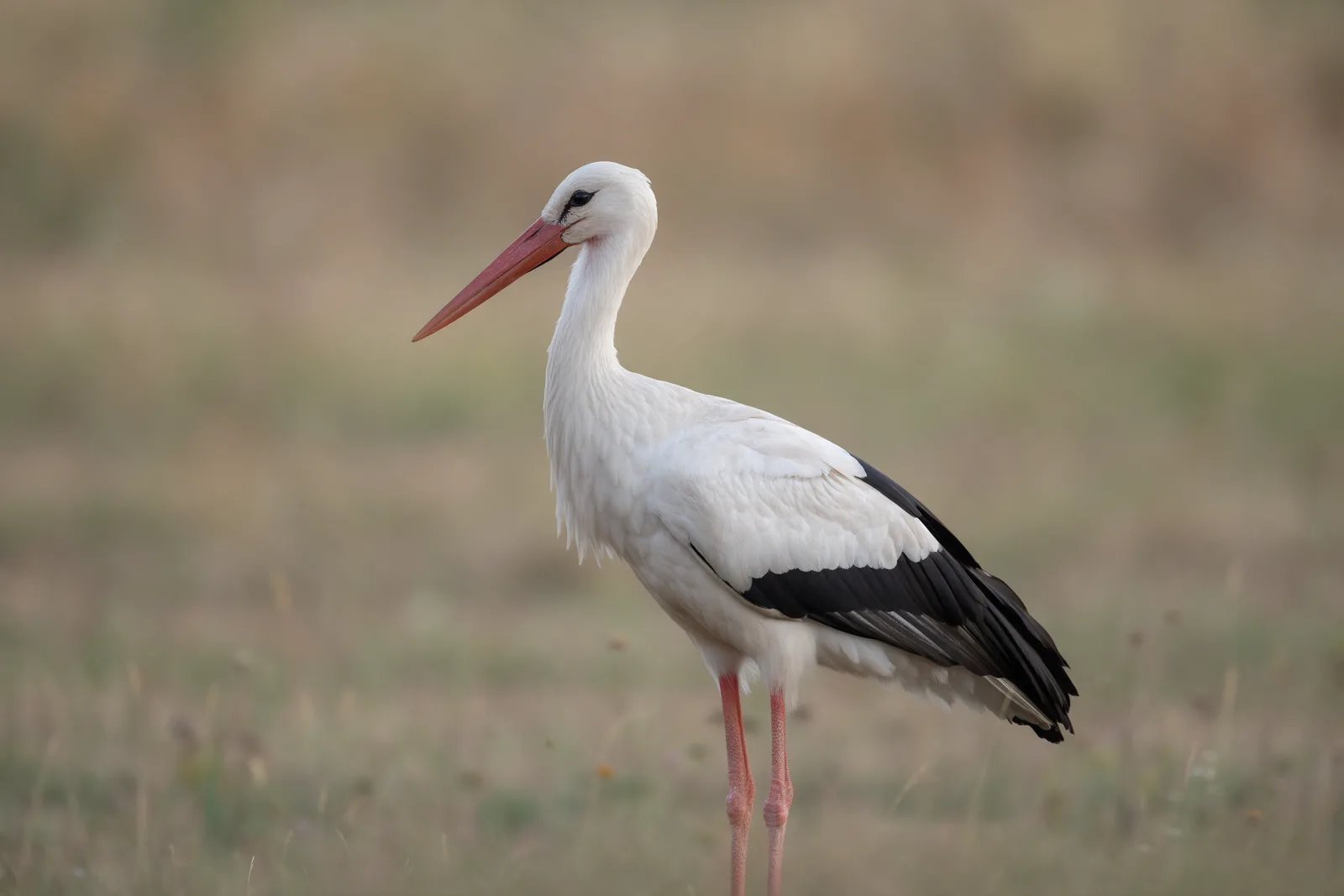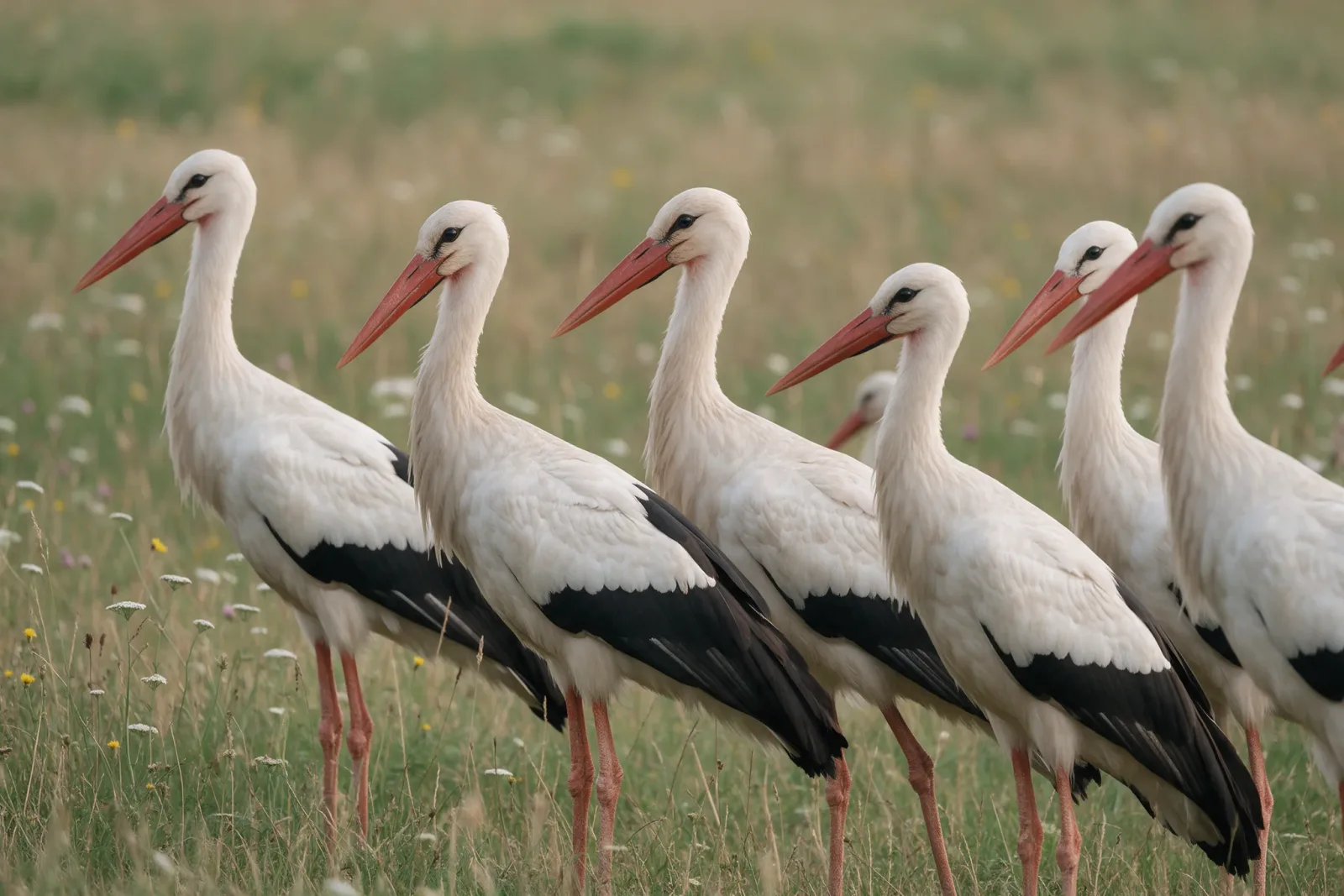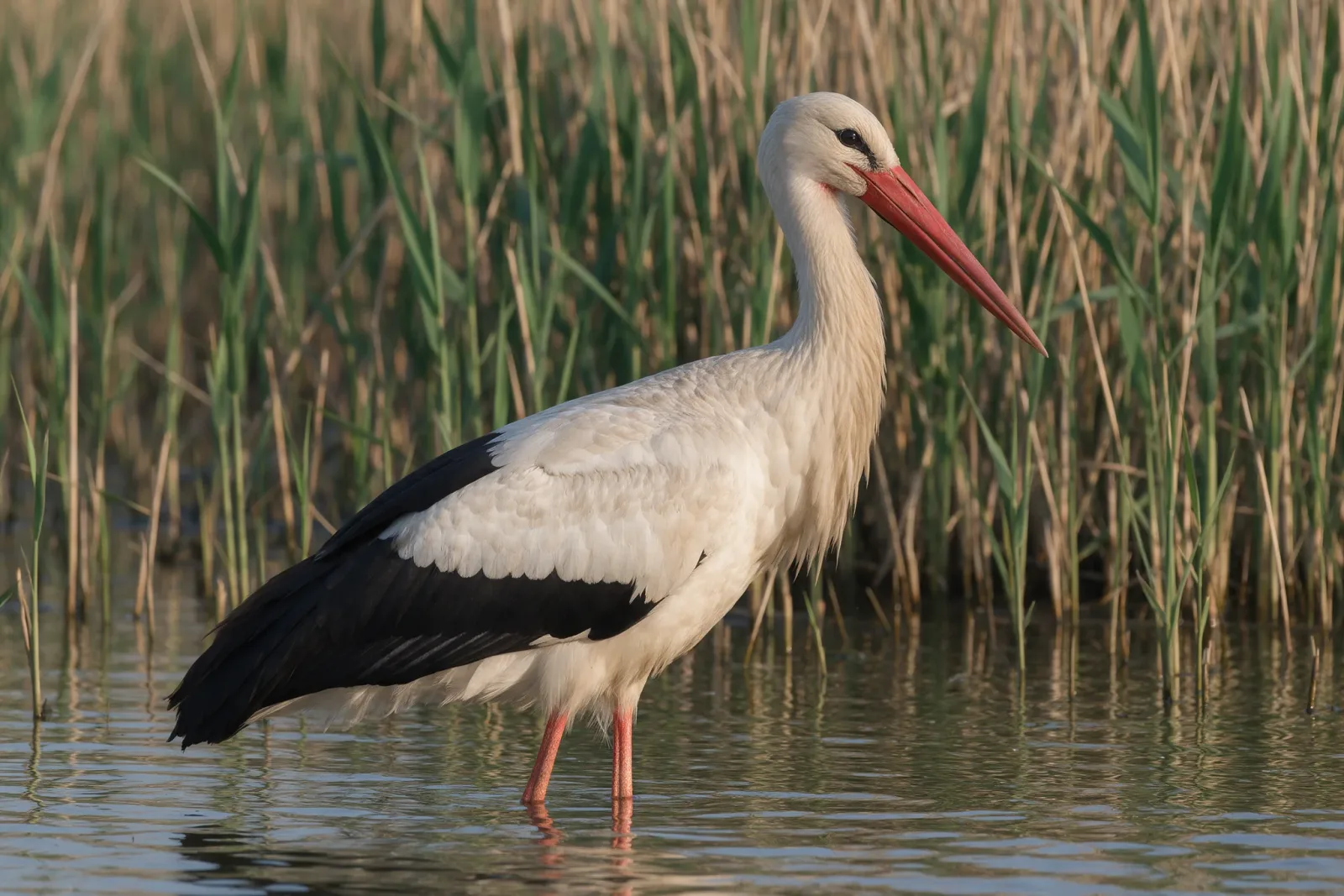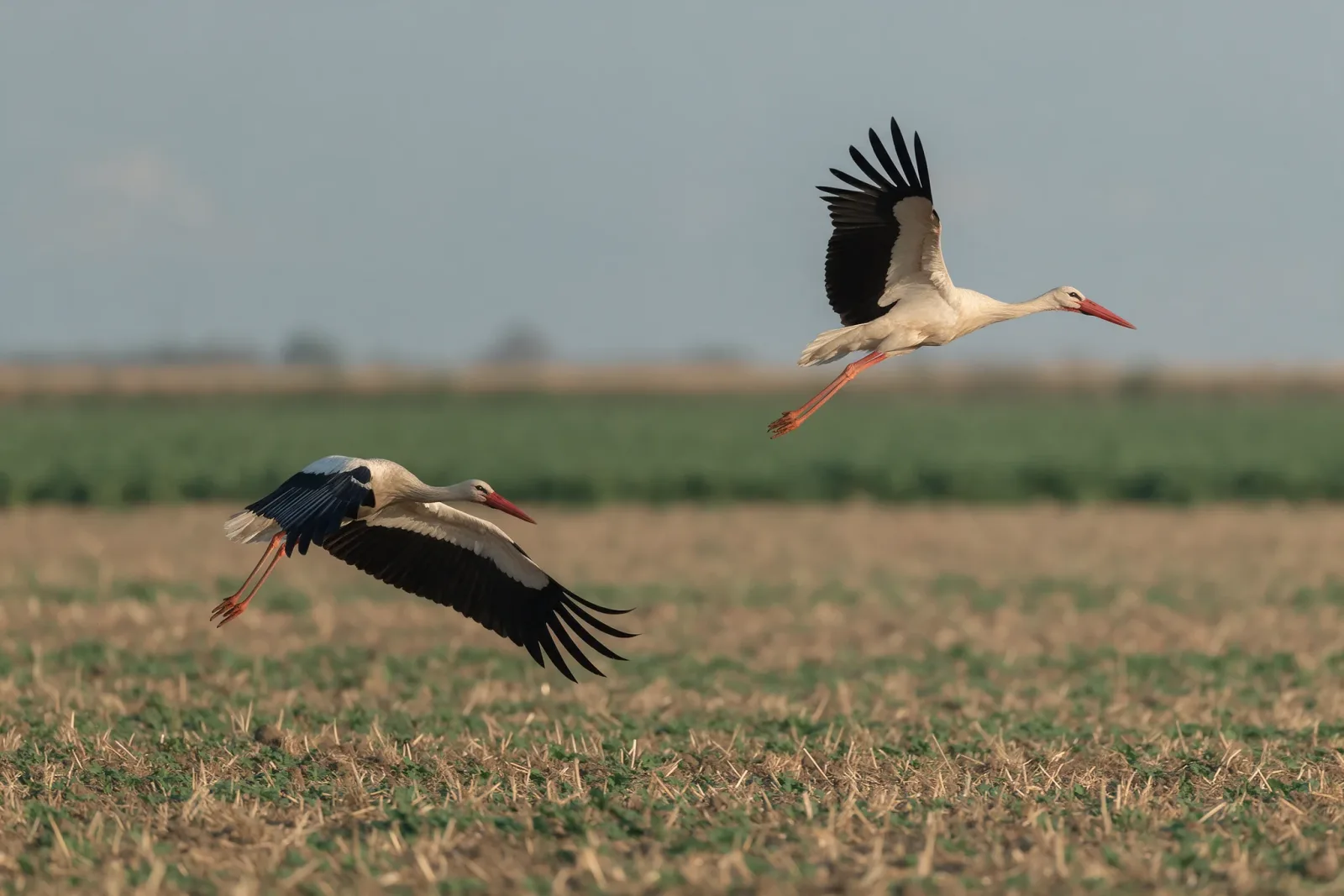
One stork, one story is the quietest and most important rule of the LifeTrack White Stork SW Germany study. It is easy to look at a flock of white storks and see one bird repeated, the same white wings, the same red legs, the same instinct. The study's whole point is to show how wrong that is. Under the tag of every bird is a life that no other bird has lived.
The same, yet not
White storks share a species, and a species shares a plan. They migrate, they nest, they bill-clatter instead of singing, they return to the same roofs. But a plan is not a life. One stork leaves a week early and crosses at the western strait. Another leaves late and funnels through the eastern corridor. They are born on different roofs, follow different winds, and meet different winters. The map makes the difference plain.
A flock of individuals
Watch the data long enough and the flock dissolves into individuals. There is the bold one who crossed first, the quiet one who transmits rarely, the homebody who stayed north, the traveller whose route bent around a mountain range. Each is a separate story, and the stories do not merge into a single line. They stay separate, the way the lives of any neighbours do.
Why it matters to follow one
We follow one stork, not the flock, because a single life is something we can hold in the mind. A flock is a statistic. A named bird is a story, and stories are how we attach ourselves to the world. The study lets us pick one thread from a loom of thousands and follow it all the way home, and in doing so it teaches us that the thread was never just a thread.
The lesson for a child
There is a lesson here that needs no saying. Every creature is itself and not another, and the world is richer for the difference. A child who follows one stork learns this without a single lecture, simply by watching one dot move in its own direction while the others move in theirs.
No two birds in the study live the same life, and no two children do either. The storks are only the most visible proof of it.
Explore the gift