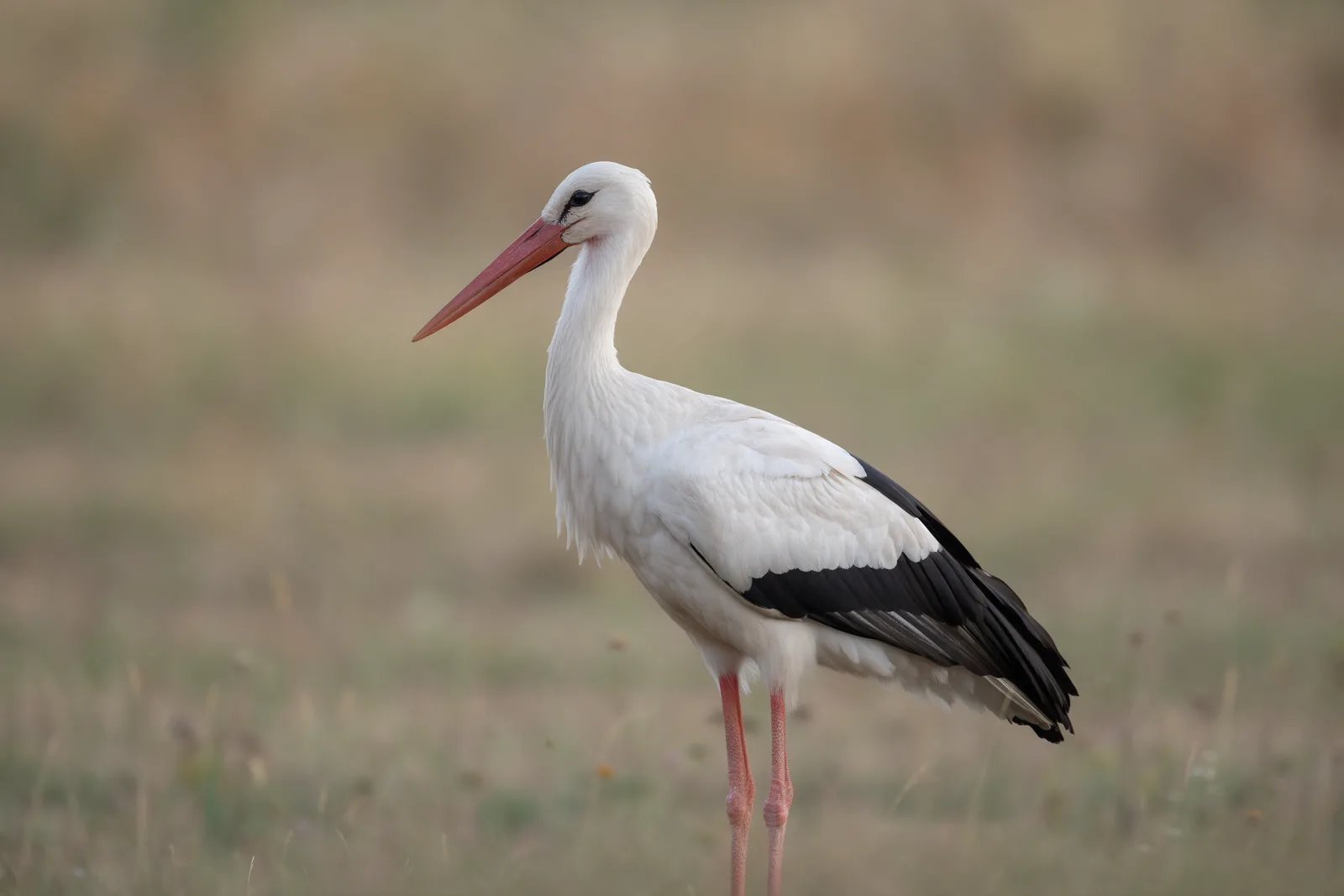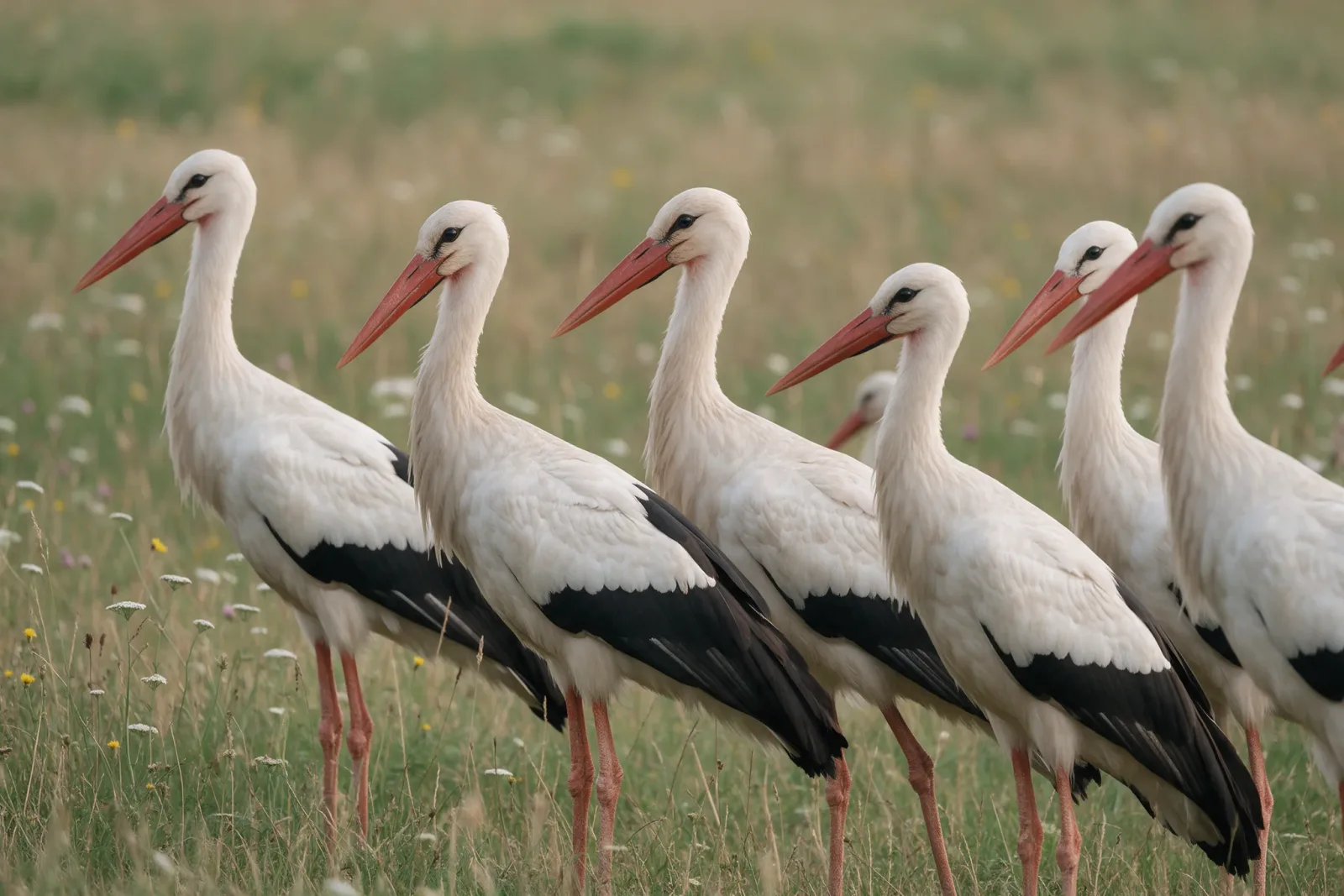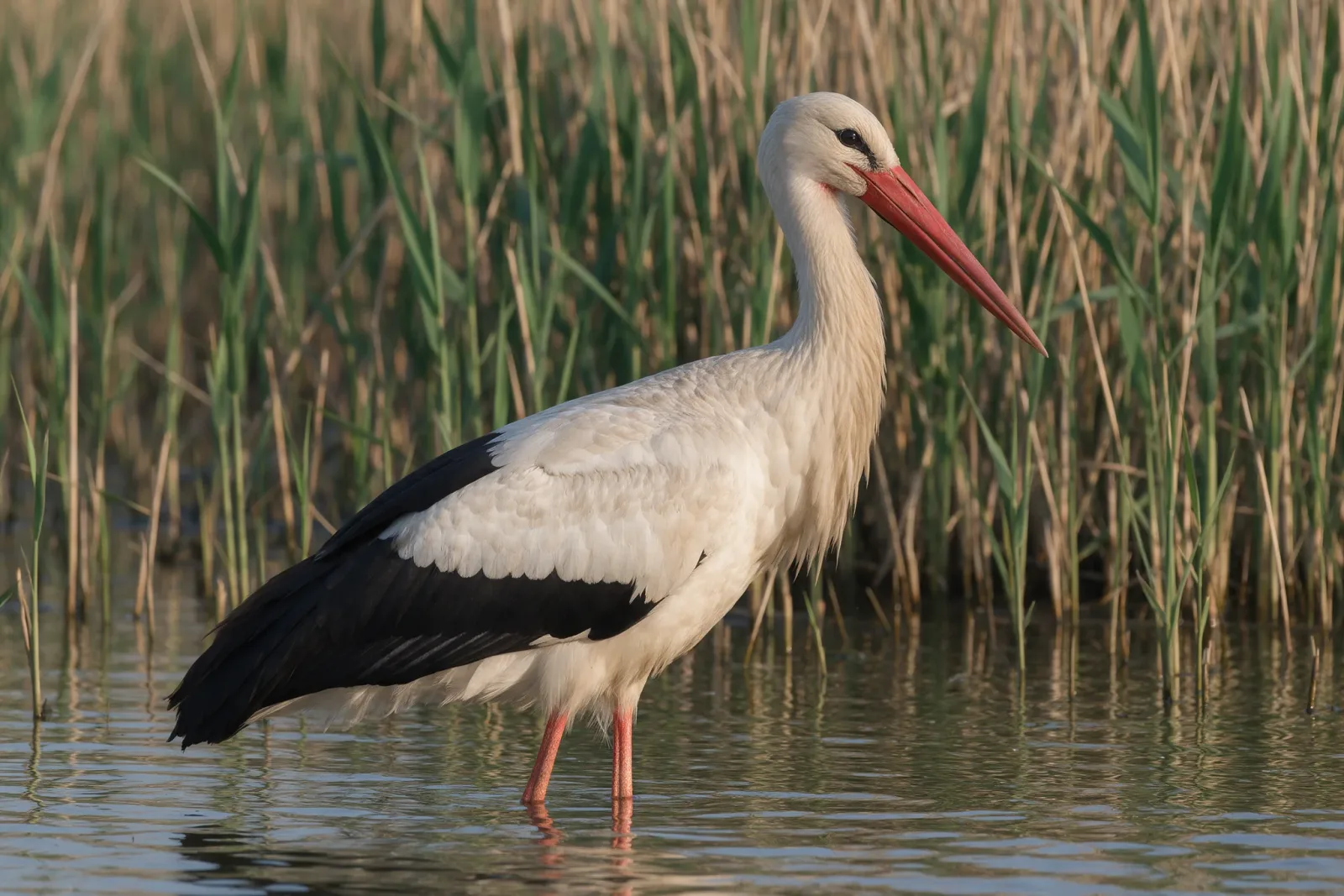
The bird that became family started as a dot on a screen, the way all these stories do. A child watched it move across a map, asked what it was, and was told a stork, a real one, far away and travelling. That was the beginning. What happened next was quieter and harder to explain, because a wild bird began to belong to a household without ever coming near it.
A name said at the table
First the child learned the stork's name. It was a name chosen from the LifeTrack White Stork SW Germany study, and it began to appear in ordinary conversation, the way a grandparent's name does. Where is he today, the child would ask, and a parent would open the map and say, somewhere in Spain, heading south. The stork was never in the room, but he was somehow present, a long-distance member of the family.
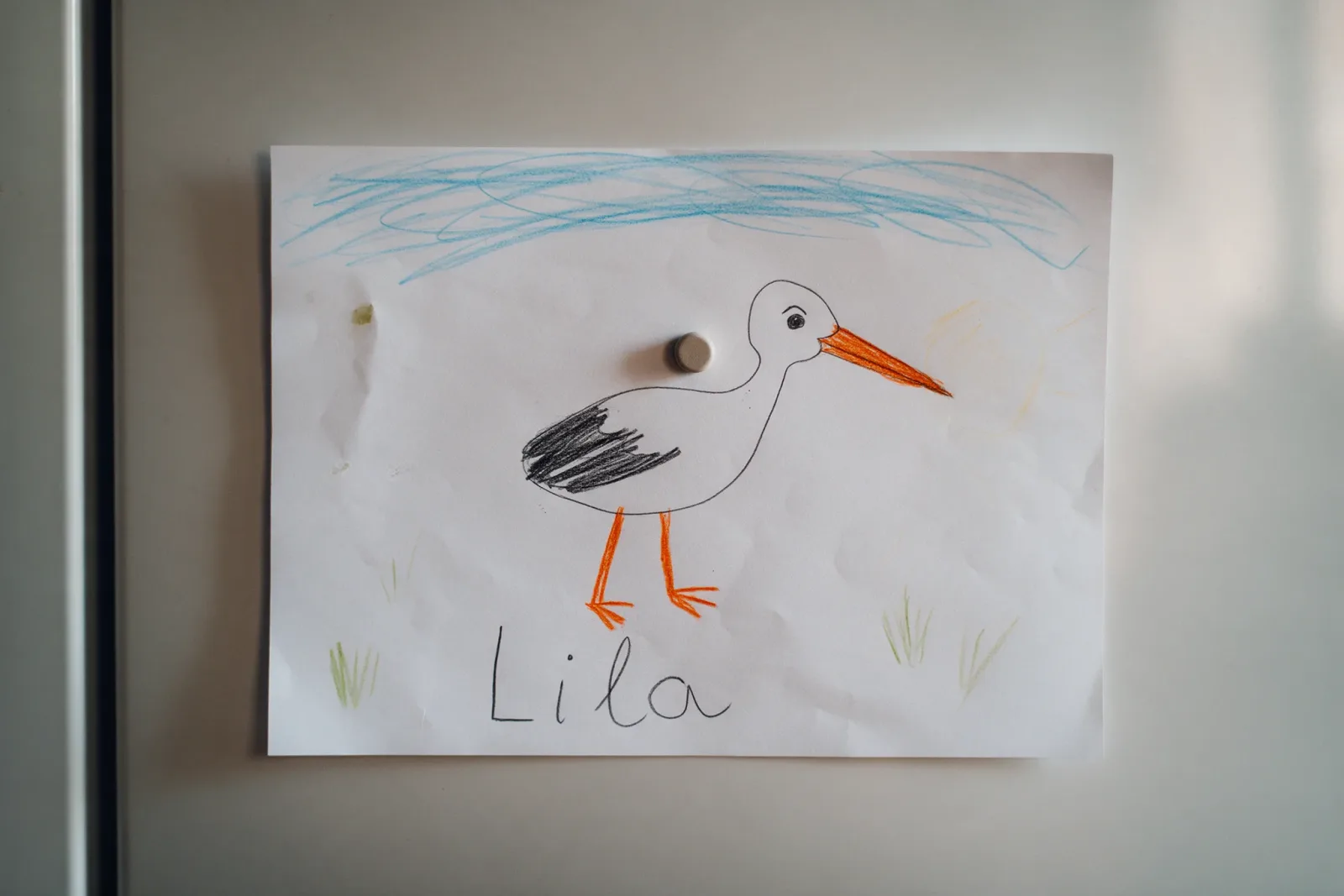
The drawing on the fridge
Then came the drawings. A child who cannot yet write a whole sentence can still draw a white bird against a blue sky, and that drawing went up on the fridge, the bird's name scrawled underneath in large, uneven letters. A drawing is a small claim of ownership, not in the sense of possession but in the sense of love. The child had decided the stork was his.
The map at bedtime
The map became part of the nightly routine. A check before bed, a dot further along than yesterday, and a small gasp of wonder when the bird had crossed a sea overnight. None of this needed to be taught. The child simply understood that a creature he had named was out there living, and that the living mattered to him.
What a wild bird gives
A bird that becomes family asks nothing of a household, and gives it a great deal. It gives a reason to look up, a story that updates itself, and a first gentle lesson in distance and in care. The child learns that you can love something you will never touch, and that loving it changes the way you walk through the world.
The stork will never know it has a family in another country, watching its dots by lamplight. That is not the point. The point is the watching.
Explore the gift