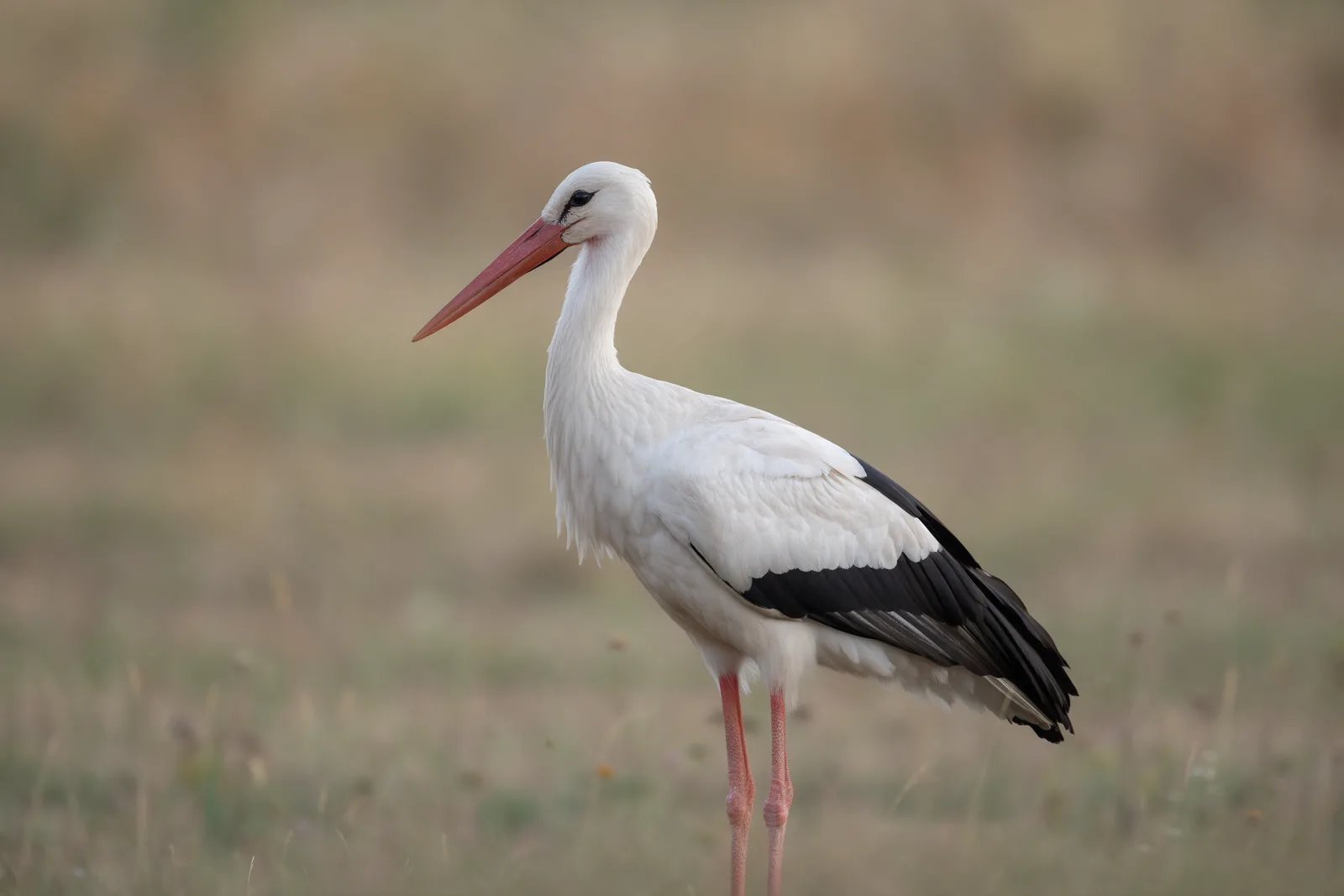
The generation of tags is a story about how we learned to follow a bird we could not keep up with. Long before the LifeTrack White Stork SW Germany study, people knew white storks left Europe and came back, but no one could say where they went. The answer turned out to be written on the birds themselves, one small piece of metal at a time.
The simple ring
It began with a ring. A slim band on a stork's leg, stamped with a code and a place, was enough to prove that a bird seen in Africa in winter was the same bird seen in Germany in spring. But a ring only tells you two points, the ringing and the recovery, and recoveries were rare. The line between those points stayed a mystery.

The weight of a tag
Then came tags that could tell more, but they carried a cost, because every gram a stork carries on its back is a gram it must lift across a sea. The early tags were heavy and short-lived, and researchers were careful about what they asked a bird to bear. The study's whole history is a search for smaller, lighter, longer-lasting ways to ask the same question.
The solar transmitter
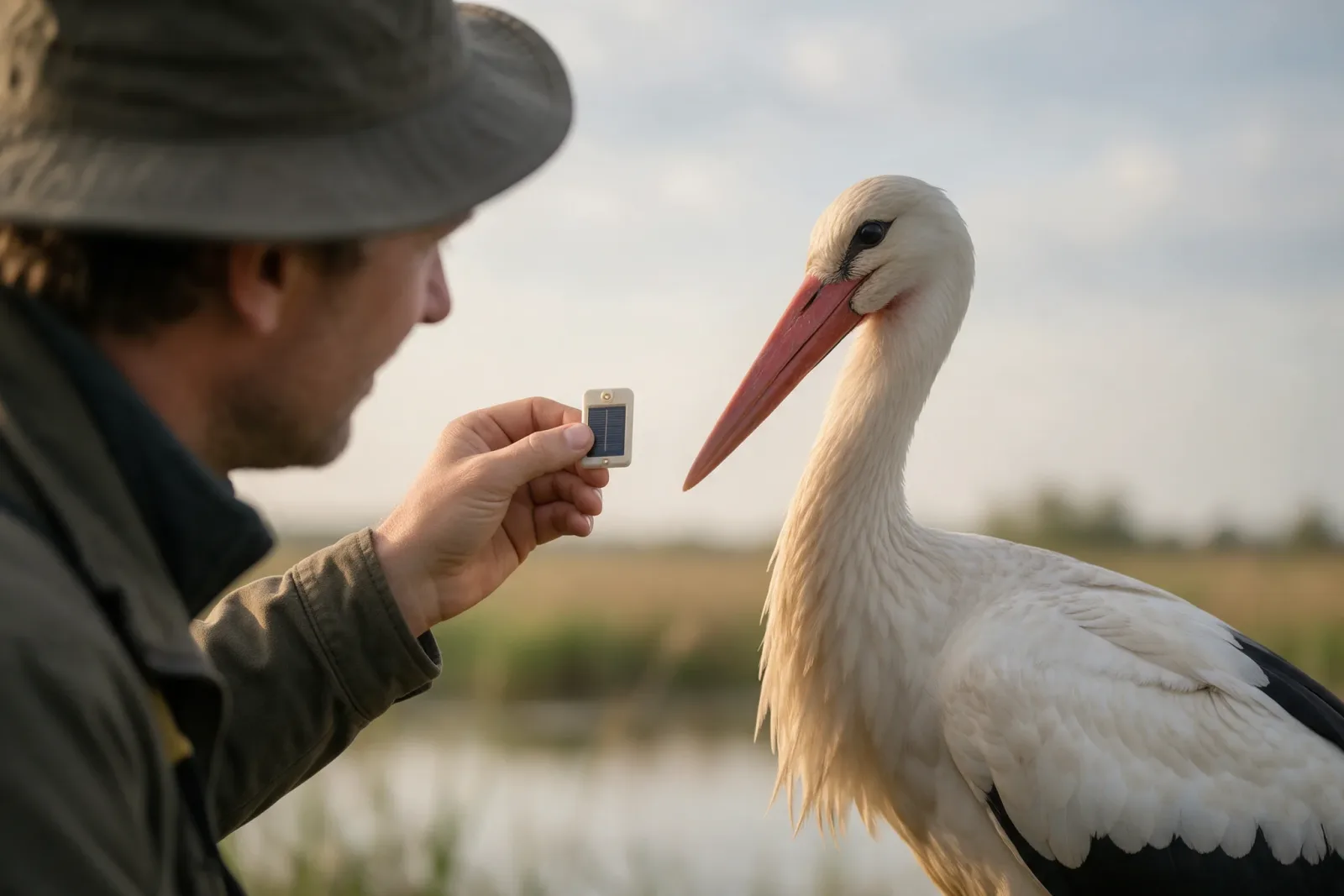
The tag most of the study's birds carry now is small and solar, charged by the sun and silent in the shade. It records where the bird is and sends that word when it can. The result is a line on a map, a biography of a bird, written in points. What once took a whole lifetime to guess is now delivered each day.
What the tags gave us
The tags gave us the flyways, the exact corridors the birds use, the places they stop, the days they leave and the days they return. They turned migration from a legend into a set of facts, and in doing so they gave us the named birds we now follow as if they were neighbours.
Every dot on the map is a debt to a long line of smaller, cleverer tags, and to the birds patient enough to carry them.
Explore the gift