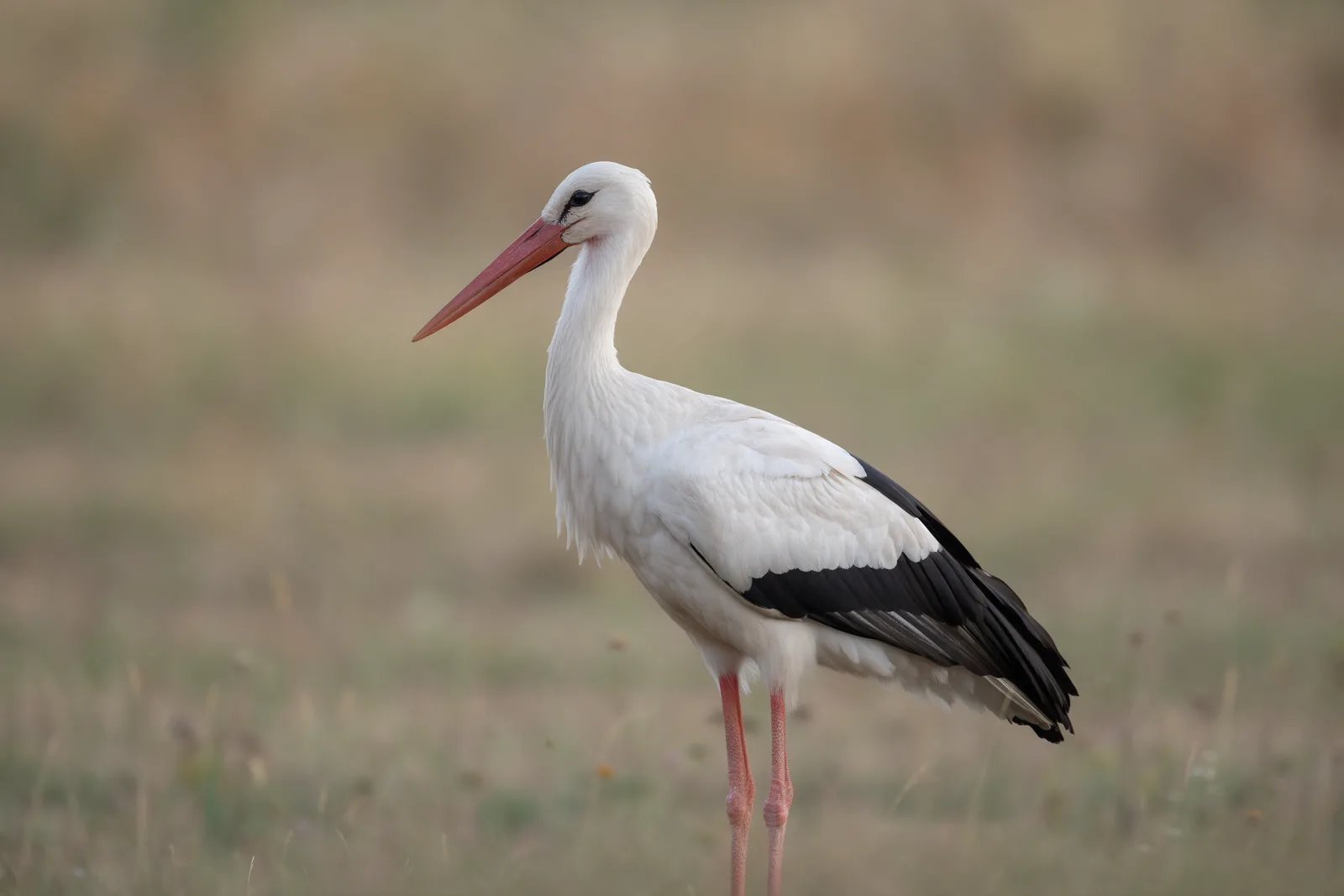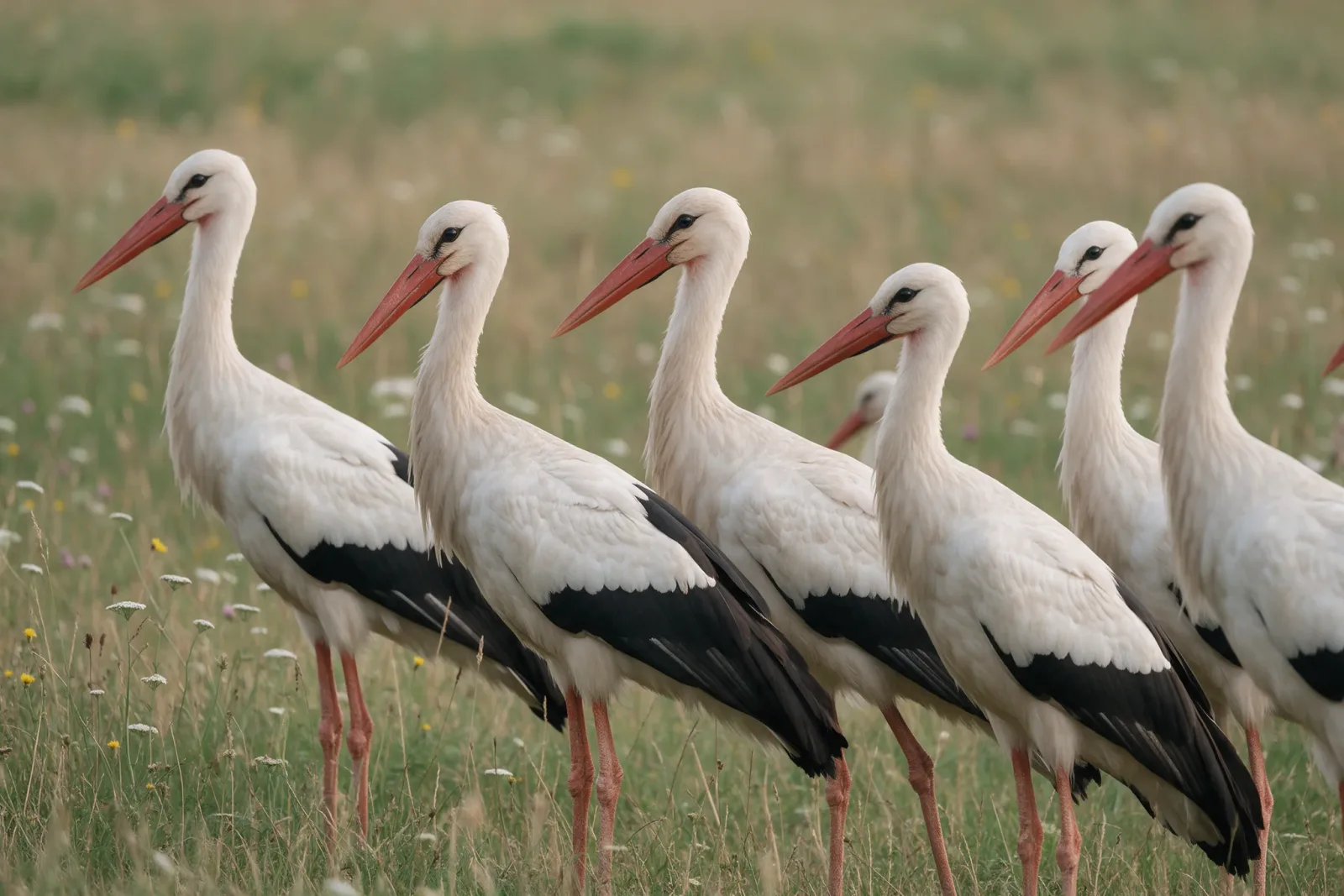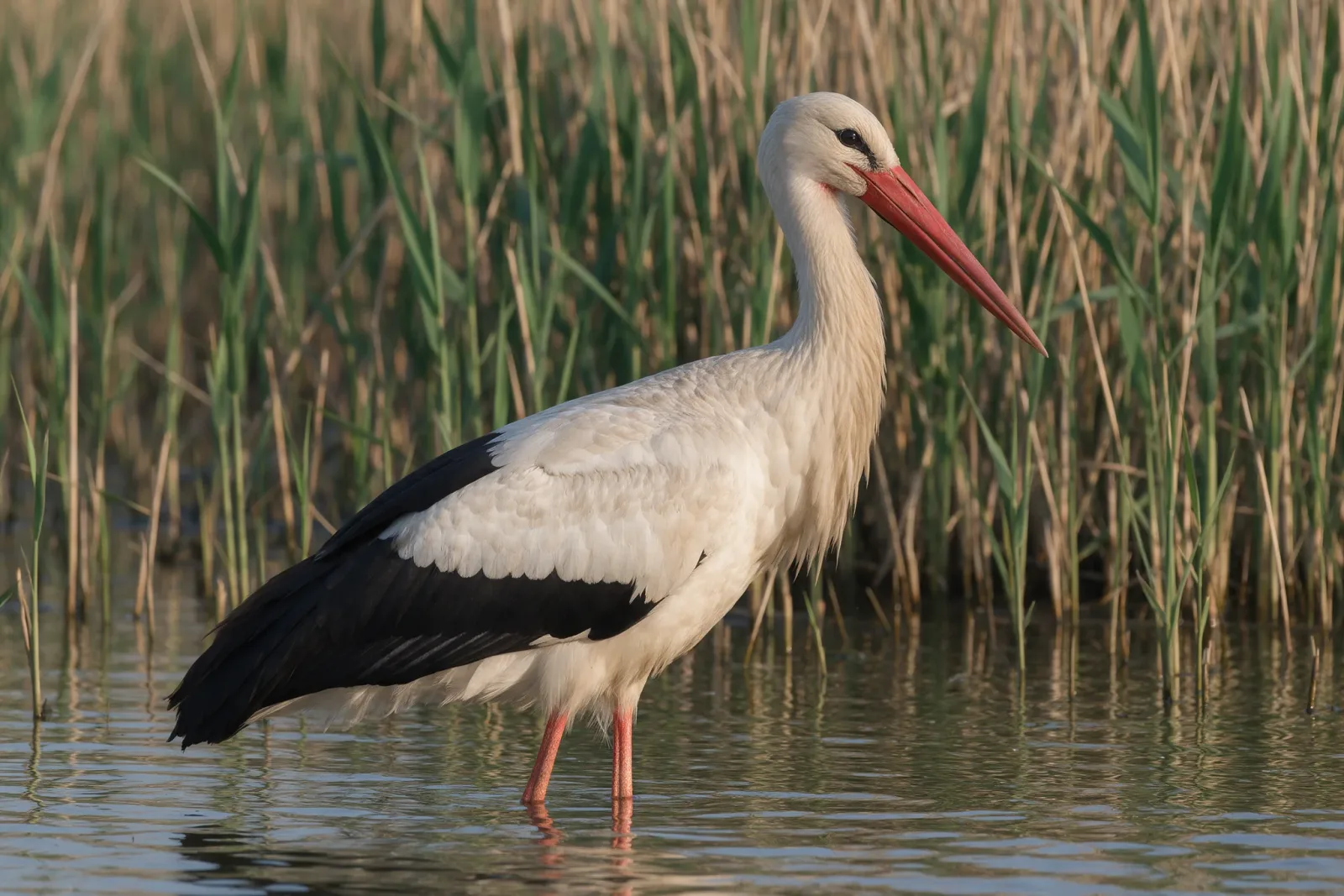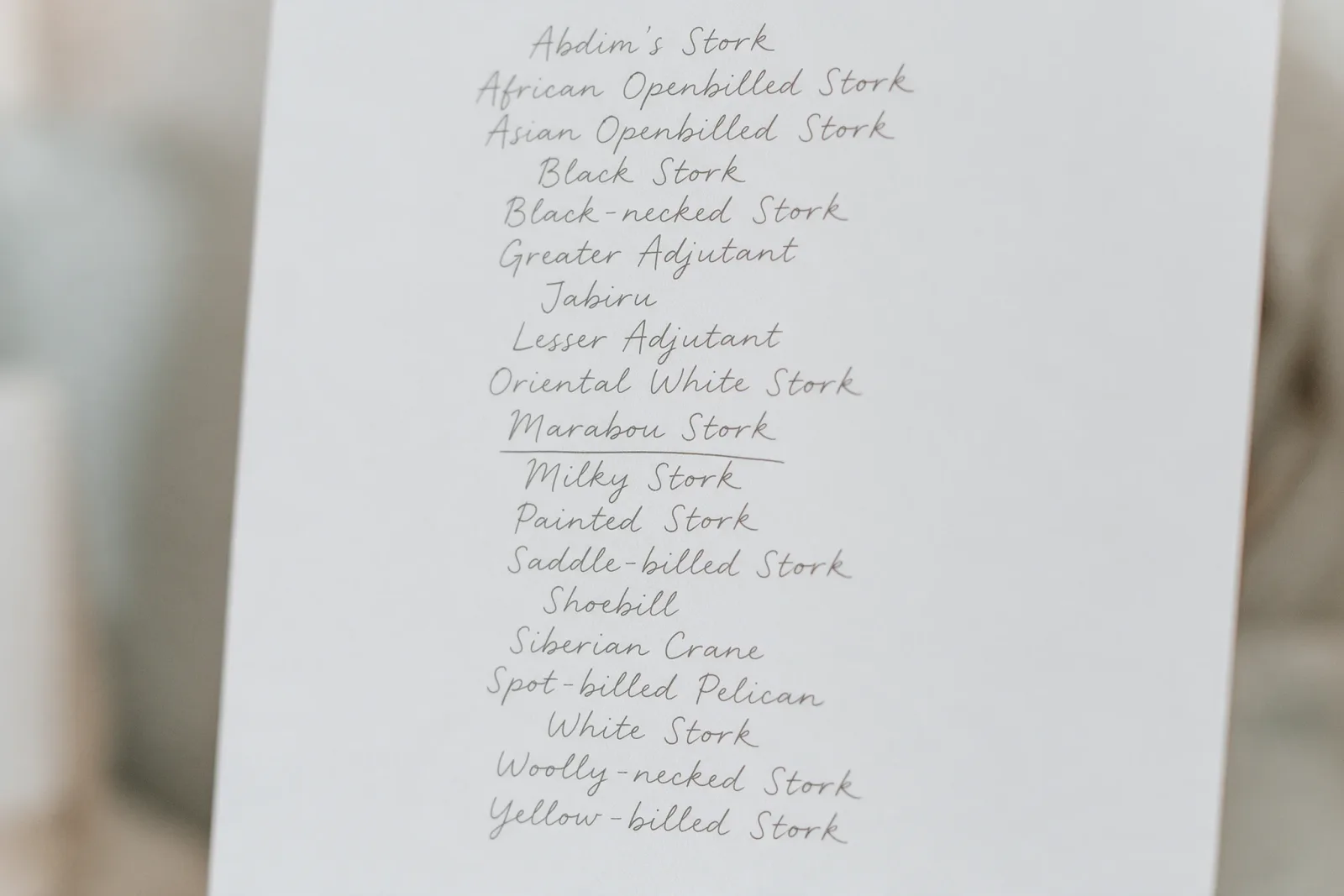
The names we choose for wild things say more about us than they say about the things. A stork does not need a name. It knows nothing of the list it appears on, and it would answer to nothing if called. And still we name them, the storks of the LifeTrack White Stork SW Germany study and the birds in our gardens and the animals in our fields, because naming is how we bring something close enough to care for it.
An old habit
Naming is among our oldest instincts. We name rivers and stars and the birds that pass over the roof, and in naming them we make them ours in a small, harmless way. A name does not trap a creature or tame it. It only lets us speak of it, and speaking of a thing is the first step toward watching it, and watching is the first step toward loving it.
The names we give
Some names are grand, borrowed from music or legend. Some are homely, chosen by a child, the kind of name a bird might carry through a whole village. Amadeus and Balou, Hansi and Ella, these are not scientific names. They are warm names, the kind we give to things we mean to keep thinking about. The study keeps the science straight, and the names keep the birds near.
What a name changes
A name changes nothing for the bird and everything for us. The moment a wild stork has a name, it stops being a species and becomes an individual, a particular creature with a particular story that we now have a stake in. We will follow a named bird across a map for months. We will not follow a number. That is the whole difference, and it is not a small one.
The names that last
The names that last are the ones that fit, that settle onto a bird the way a name settles onto a child, inevitable only in retrospect. We keep them because they hold a feeling, and because saying them out loud brings the bird back for a moment, the way a photograph does.
We name the wild things so that we can find them again, and so that, in some small way, they can find us.
Explore the gift