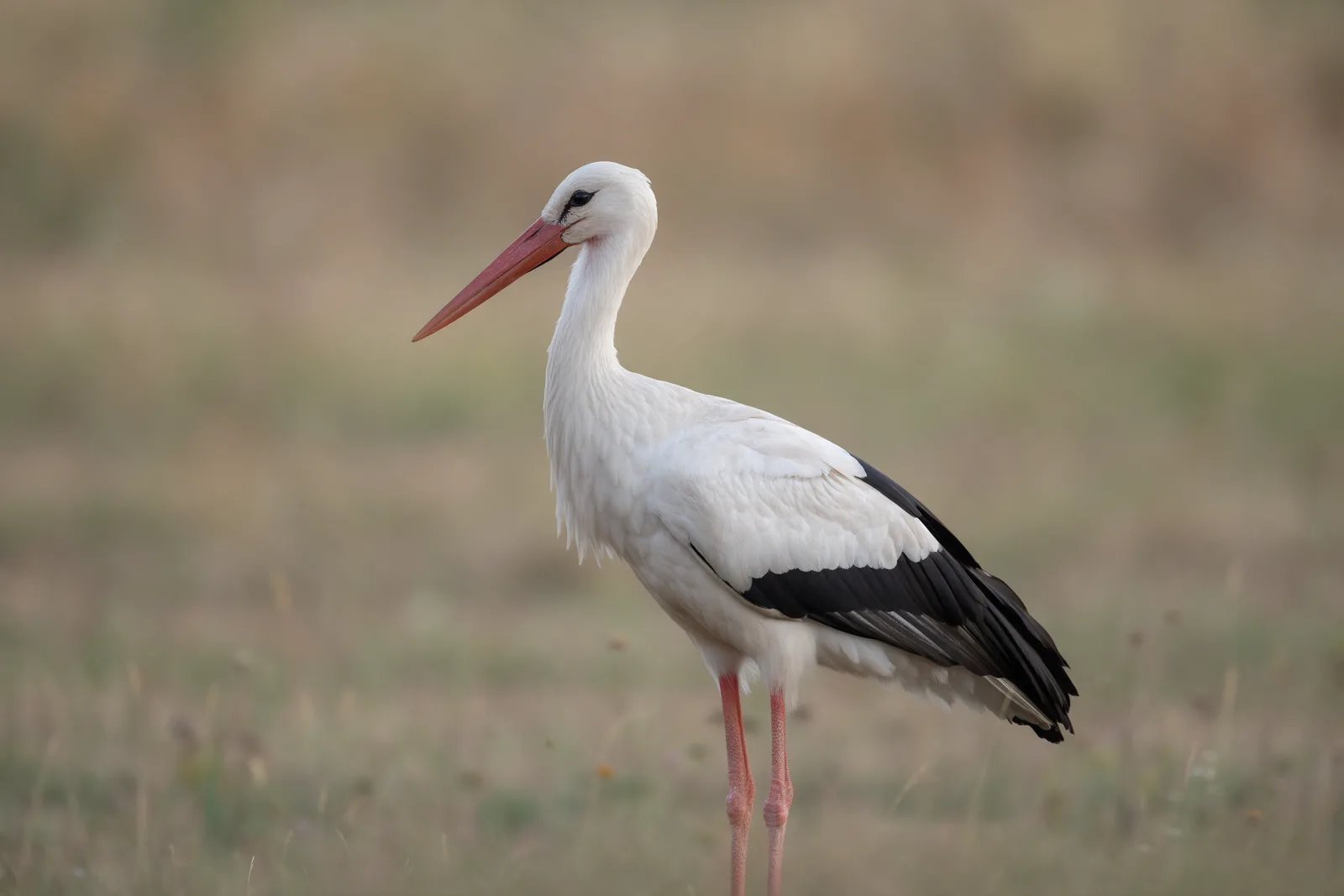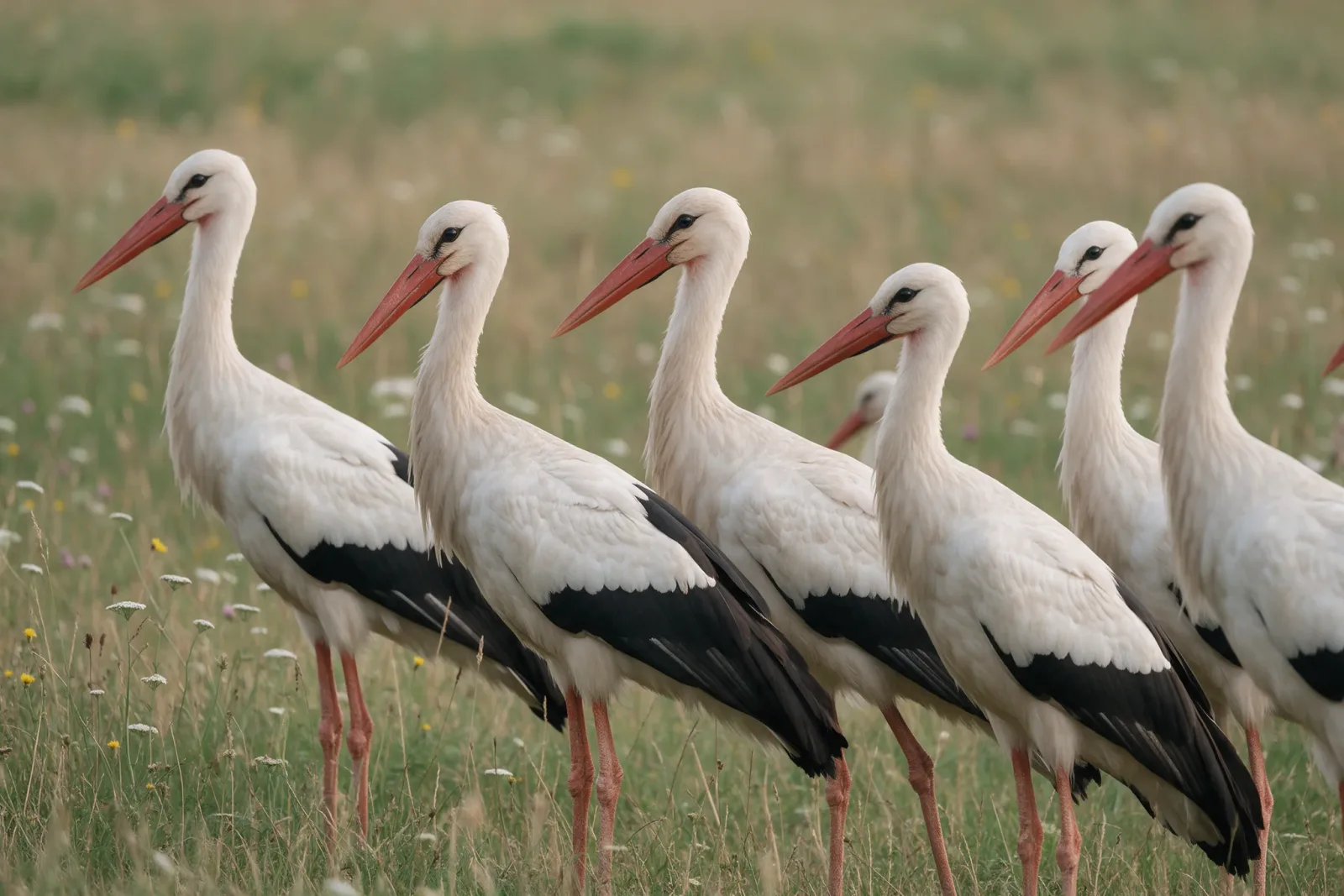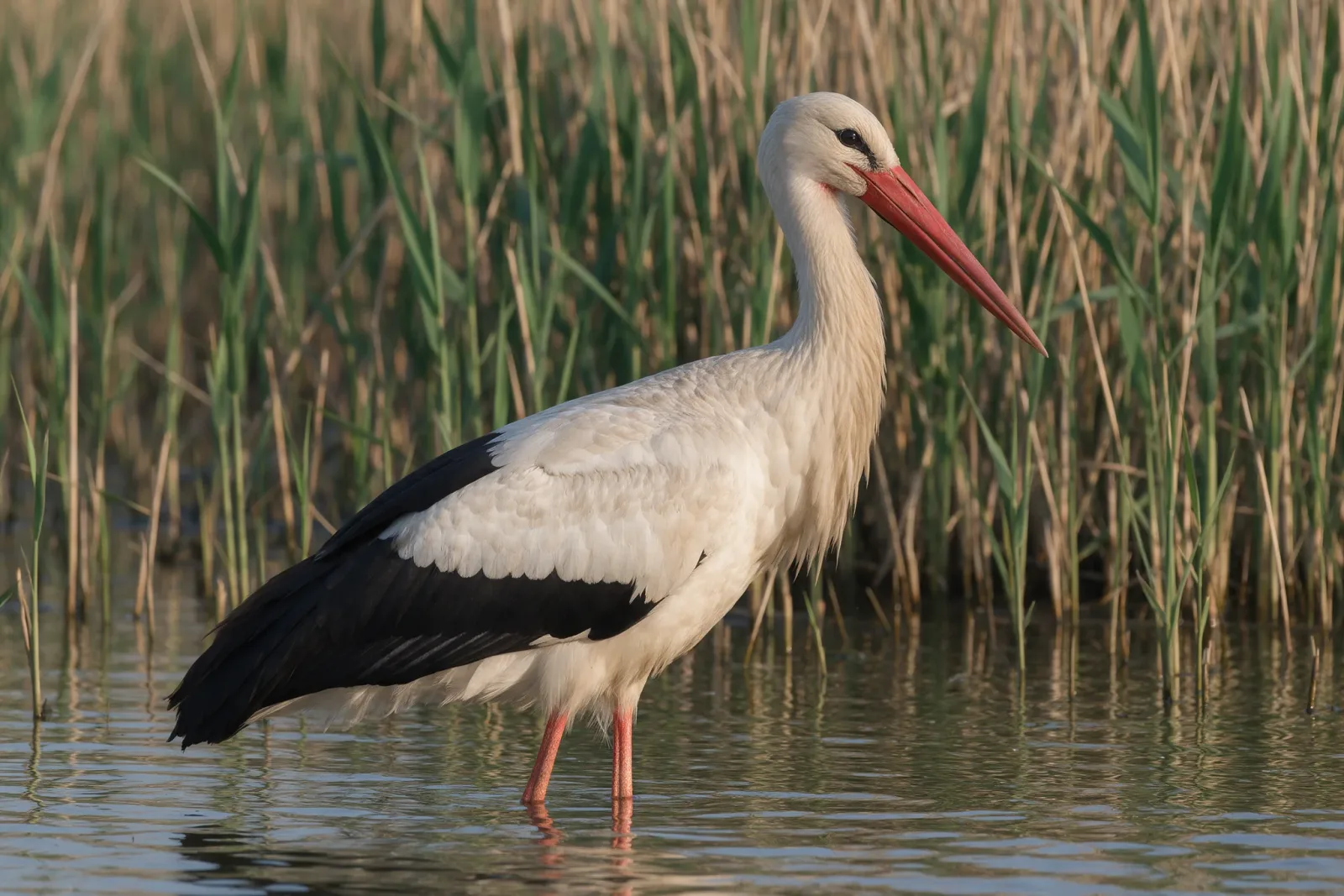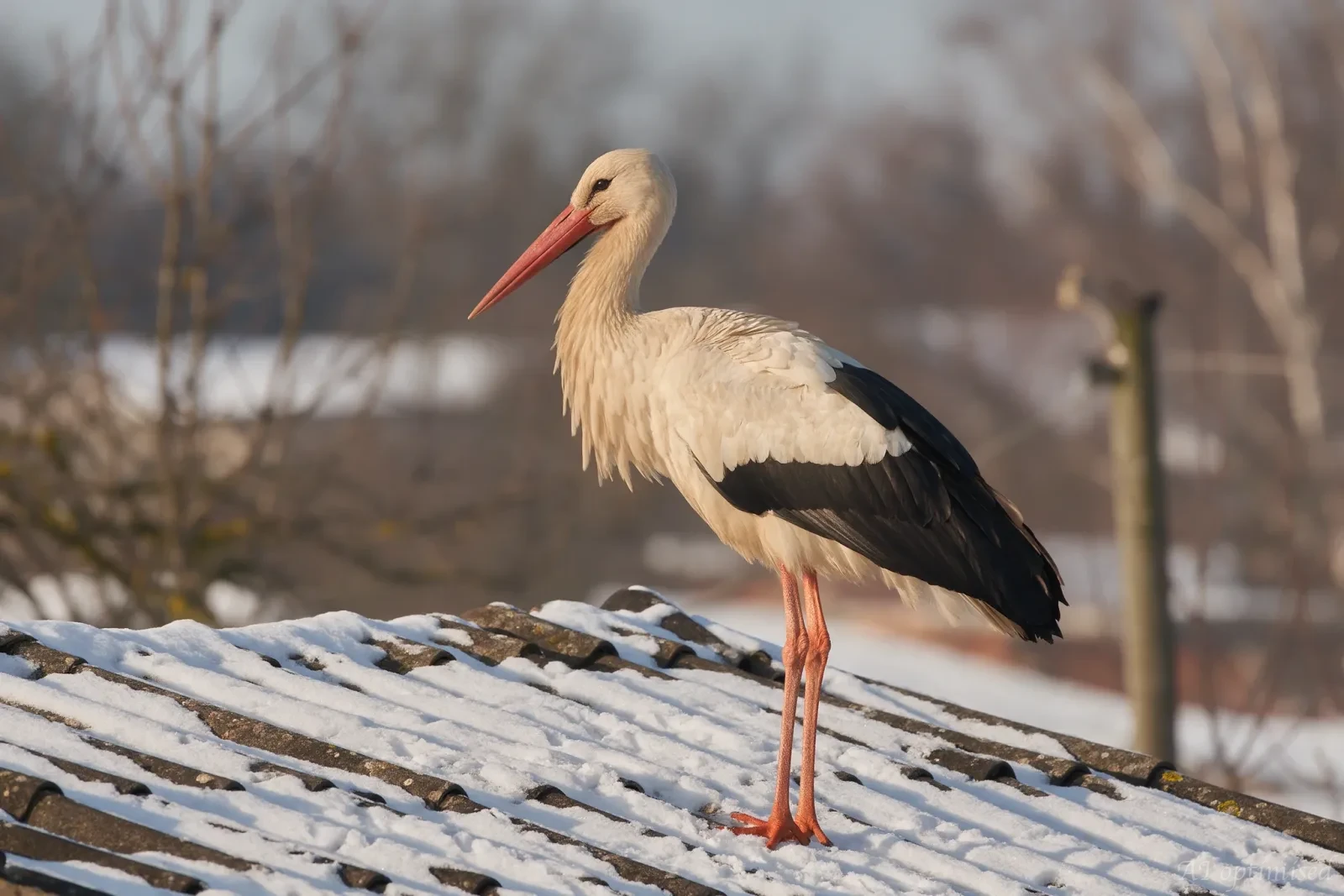
When a stork changes its mind, the map tells the story before anyone quite believes it. Each autumn the white storks of the LifeTrack White Stork SW Germany study turn south, and each spring they come north again. But now and then a bird does not turn. Its points stay put through the cold, and the watchers learn something new about a habit they thought was fixed.
The bird that stayed
A stork that skips migration is not sick and not lost. It has simply found what it needs close to home. In recent decades a small number of white storks have begun wintering in parts of Europe rather than crossing to Africa, drawn to open rubbish tips and mild winters and the easy food they offer. The instinct to migrate is strong, but it is not a cage. A bird can choose otherwise.
What staying means
Staying put changes a stork's year completely. There is no long crossing, no desert, no sea. Instead there is a winter of short flights and careful feeding, of finding water that has not frozen and ground that still gives. It is not an easier life, only a different one, and the birds that stay seem to weigh it well enough.
What the study shows
The study's data makes the choice visible. A bird whose line should have bent south stays north, its points scattered across a familiar winter, and the researchers note it without drama. These birds matter, because they show how flexible a white stork can be, and how quickly behaviour can shift when the world shifts around it.
A lesson in change
There is comfort in the bird that changes its mind. We think of migration as an unbreakable rule, a compass that cannot be argued with, and then a single stork rewrites the rule by standing still. The birds are not machines running a program. They are creatures making choices, season by season, and sometimes the choice is to stay.
The stork that stays put reminds us that nothing in the natural world is as fixed as we imagine, and that a creature can surprise us by simply not going.
Explore the gift