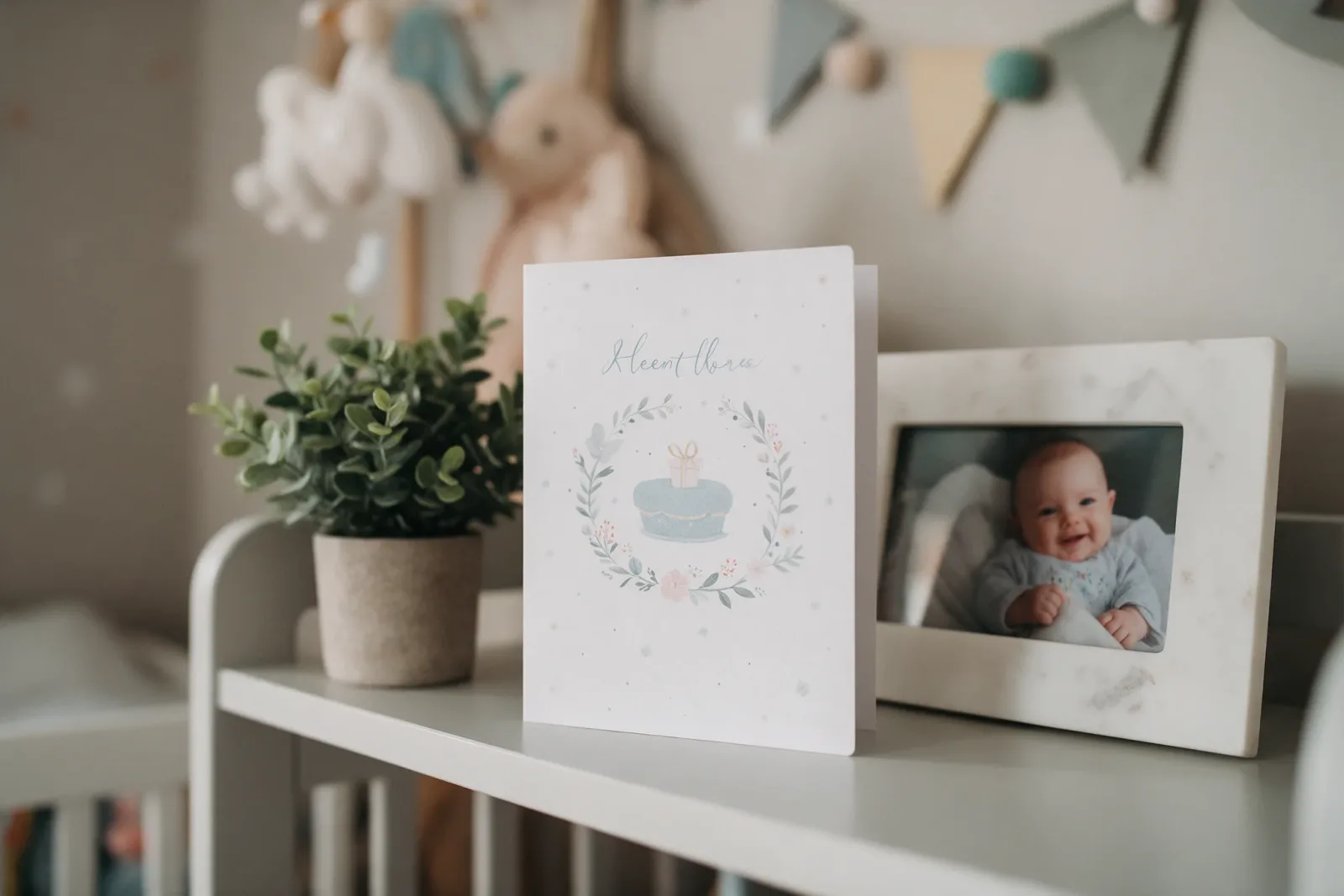
A gift with a life of its own is the rarest kind of present, and the hardest to find. Most gifts arrive, are unwrapped, and begin their slow fade toward a drawer. A few keep moving. They carry on long after the ribbon is gone, growing, changing, and asking to be noticed again. For a newborn, who owns almost nothing and needs even less, that kind of gift feels quietly perfect.
Why a newborn needs so little
A baby arrives with nothing and wants everything. There is no way to hand a newborn the whole world in a box. But you can hand them one small thread of it, something alive that they will keep discovering as they grow. That is the trick of the best welcome gifts. They do not try to be the whole world. They open a single window and let the light come in.
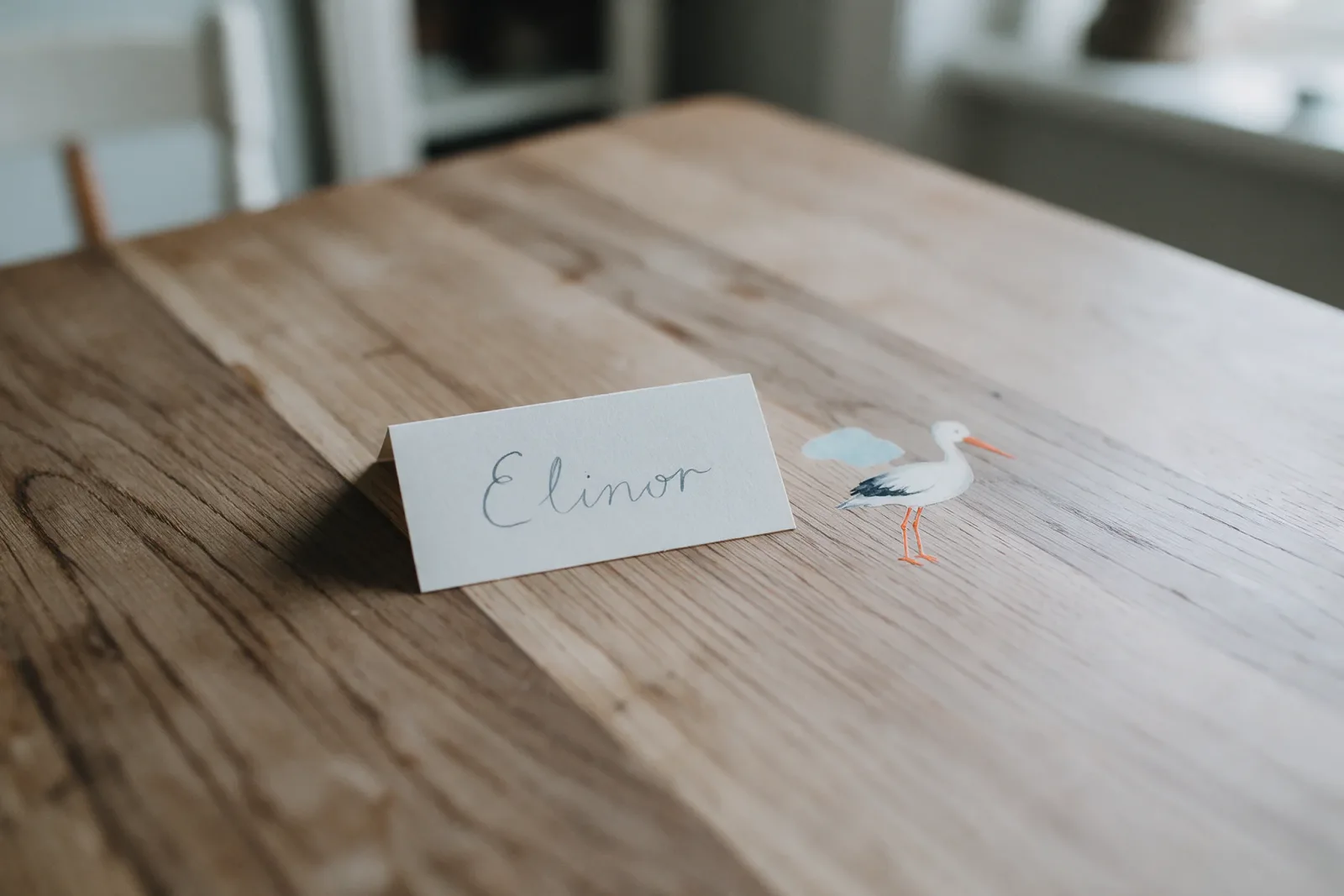
A white stork is a good thread to give. It is real, it is wild, and it is out there right now, crossing a sky somewhere. A keepsake that carries a stork's name ties a child to a bird they cannot yet see, but one day will. The gift does not sit still. It migrates, just as the child will, from one season of life to the next.
Something that keeps moving
A stuffed toy gets loved and then left behind. A set of clothes is outgrown within months. A gift with a life of its own refuses to be finished. It has a bird attached to it, and that bird is always somewhere new. In autumn it flies south toward warmer land. In spring it turns around and comes back, faithful to the same nest, the same rooftop, the same stretch of sky above a family's home.
That is the quiet magic of it. The present is more than the card and the name. It is the ongoing fact of the animal itself. When you give a newborn a stork's name to keep, you are giving them a creature that will still be flying when they are old enough to say the word stork out loud.
A small beginning, not a small gift
There is a difference between a gift that is small and a gift that is small-minded. A tiny card can hold an enormous idea. The idea here is simple: somewhere in the world, a wild bird carries a name that belongs, now, to a child too. The two of them, bird and baby, are set on parallel paths the moment the gift is opened.
The child will grow, learn to walk, learn to talk, learn to look up. The stork will keep doing what storks have always done, crossing a continent and a sea and a stretch of desert, year after year, with no map and no teacher. Neither of them knows the other exists. That does not make the connection any less real to the family that keeps it.
What a gift is really for
We give presents to say welcome, to say we are glad you are here. The best of them keep saying it. A gift with a life of its own never stops delivering that message, because every spring the bird comes home and the story begins again. Long after the child has stopped being a baby, the stork is still flying, still returning, still carrying the name they share.
For the tiny person who has everything to discover, that is exactly the right present. Not a thing to own, but a beginning to follow. A bird to look for, a reason to look up, and a story that has no last page.
The bird keeps its own time
A stork does not run on a clock anyone set for it. It leaves when the wind is right and the thermals are warm, and it returns when spring has truly arrived. A gift tied to such a bird inherits that same unhurried rhythm. It will not be finished on the day it is opened, and it will not be finished a year later, or five years later, or when the child has grown tall enough to reach the shelf on their own. The gift keeps the bird's time, not ours, and that is part of its charm.
There is a comfort in that. We live in a world that hurries everything, that wants every gift understood and enjoyed by evening. A stork moves at the pace of weather and season and instinct. To give a child something that shares that pace is to give them a small lesson in patience, tucked inside an object. The best presents are the ones that refuse to be rushed, and this one, quite literally, has wings.
Explore the gift