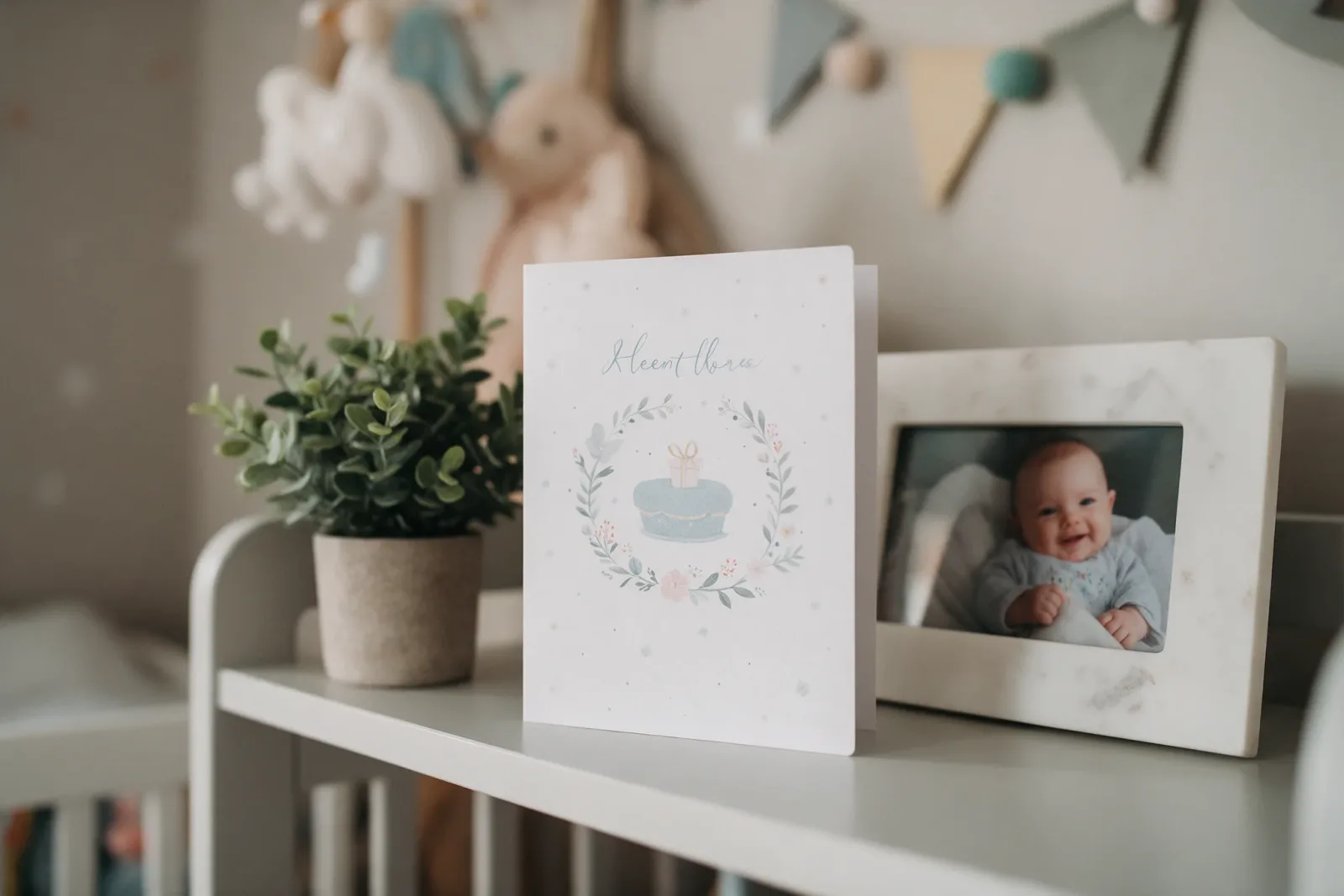
The first chapter of a long story is the one a family keeps coming back to. It sits on a nursery shelf beside a small potted plant and a framed photograph, and it waits there quietly. It does not make noise, and it does not get outgrown. It simply stays, ready to be opened again on the next birthday, the next spring, the next time a child asks a question no one expected.
What a keepsake is for
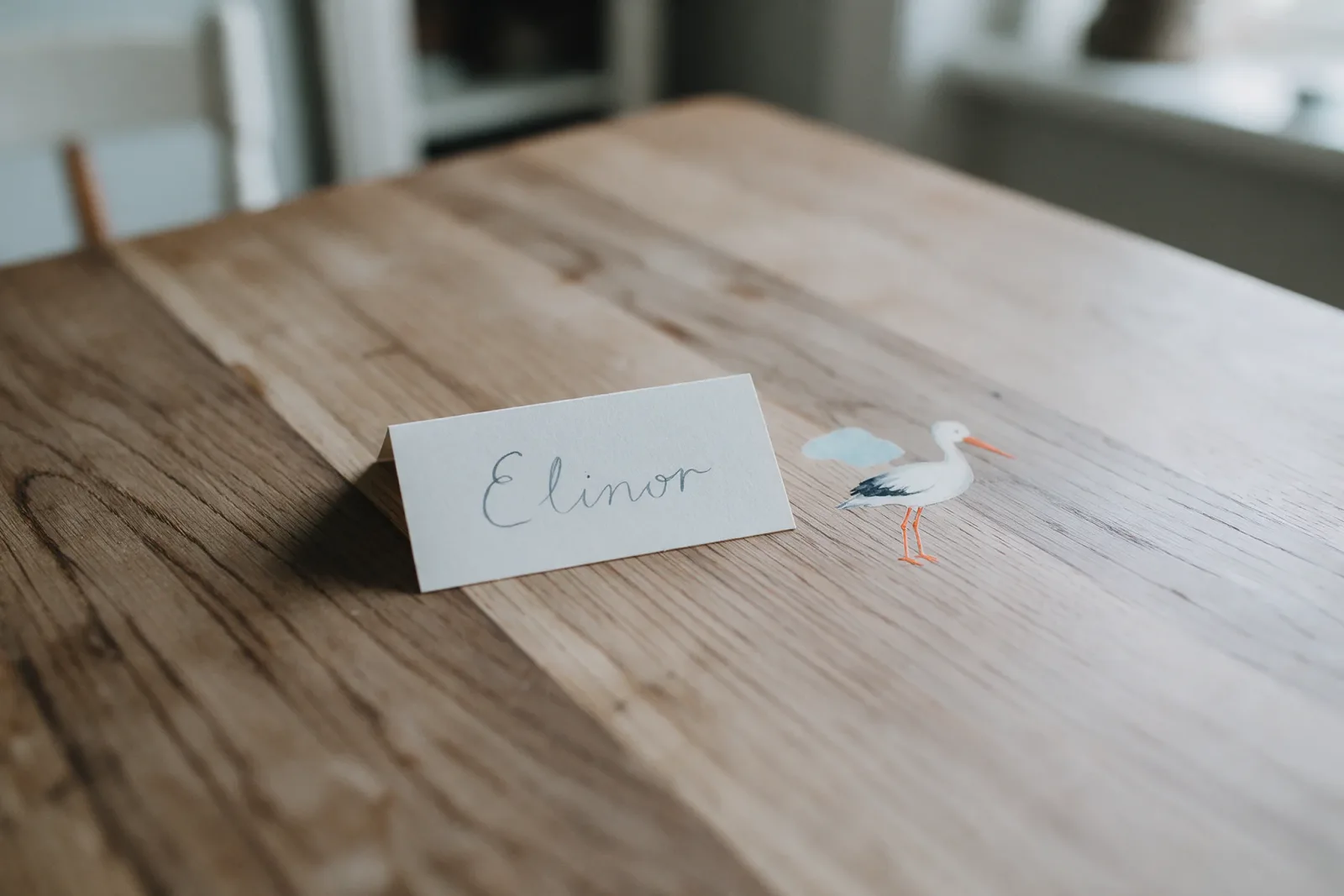
A keepsake is not a toy, though a child may treasure it like one. It is a small object that carries a larger idea, and its whole job is to be kept. The best keepsakes are the ones that hold still enough to last and grow loud enough to matter. A card that carries the name of a real white stork does both. It is thin and light, easy to keep on a shelf, and it points somewhere far beyond the room it sits in.
When a child is old enough to ask what the card means, the conversation opens. A bird was named, the family learns, and that bird is still alive, still flying, still moving through the world under the same name.
A story that starts before words
Children come to stories slowly. First they see a picture, then they hear a voice, then one day the story belongs to them. A keepsake that links a child to a wild bird works the same way. The newborn cannot understand it. The toddler can point at the bird on the card. The five-year-old can say the name and ask where the bird is now. The eight-year-old can follow the journey and wonder about it out loud.
Each stage is a new page of the same chapter, and none of them closes the book.
The bird as a returning character
Every good long story needs a character who comes back. In this one, the stork plays that part. White storks are famous for returning to the same nest each spring, often to the same partner, on the same rooftop. That loyalty gives the story a shape. The bird leaves, the bird returns, and each return is a fresh reason to look at the card again.
The child grows and the bird keeps its rhythm. The two arcs run side by side, one long human story and one long wild one, joined by a name on a small piece of card.
Why length matters more than size
We are surrounded by gifts that are over in an afternoon. A keepsake that opens a conversation is the opposite of that. It is designed to be slow. Its value is not in the moment of giving but in the years of returning. That is what makes the first chapter worth writing down and worth keeping where a child can see it.
The card will not end the story. It will only keep starting it, the way a first chapter does, every time someone turns back to the first page.
Where the story lives
The story does not live only on the card. It lives in the asking, in the reading aloud, in the moment a parent says the bird's name for the hundredth time. It lives in the nursery and at the dinner table and in the car on the way to a grandparent's house. A keepsake that opens a conversation is not a single object. It is a doorway, and the doorway is open all the time.
That is why the card belongs where a child can reach it, not packed in a box in the attic. It should be seen, touched, handed around. The more the family handles it, the more the story belongs to everyone. A first chapter only matters if someone keeps turning the page. This one makes it easy, because the bird is always out there, doing something new, giving the family a reason to keep reading.
A keepsake like this asks very little of a family and gives back a great deal. It needs no batteries, no attention, no upkeep. It only asks to be kept, and to be opened now and then, so that the story can breathe. Most of the good things in a childhood work this way. They are quiet, they are constant, and they grow more valuable the longer they are lived with. The first chapter of a long story earns its place simply by continuing to be there, ready, whenever someone in the house feels like turning the page again.
Explore the gift