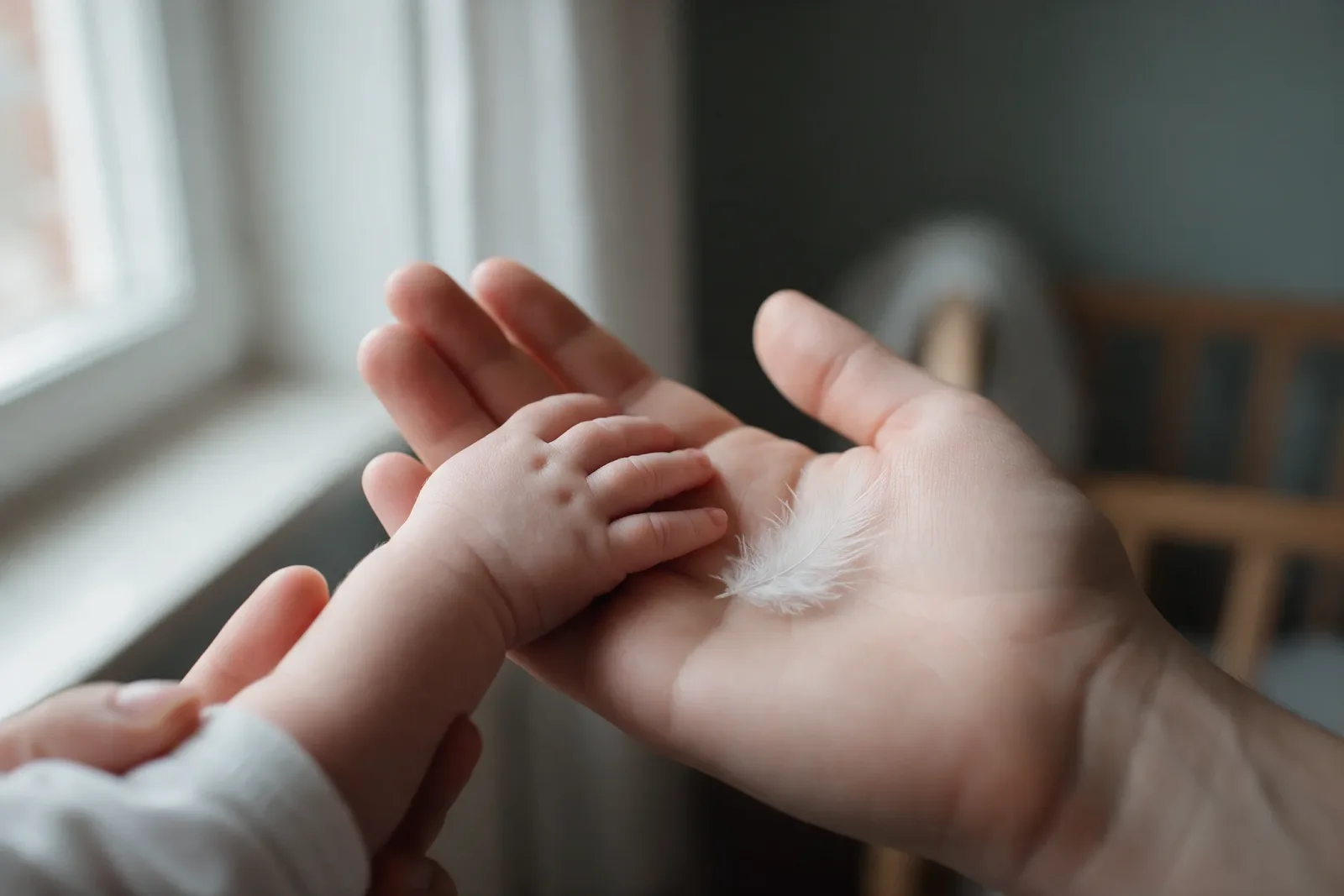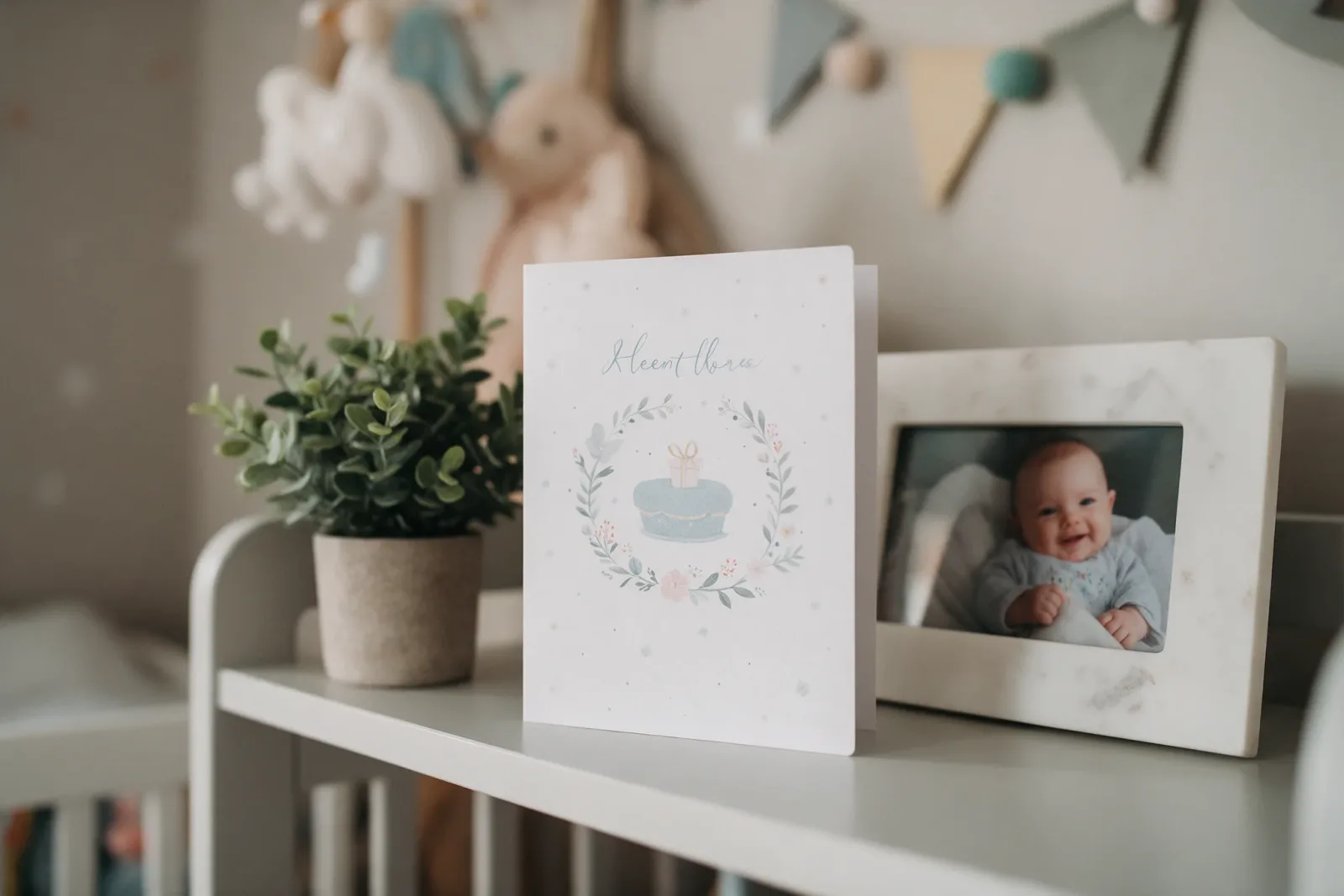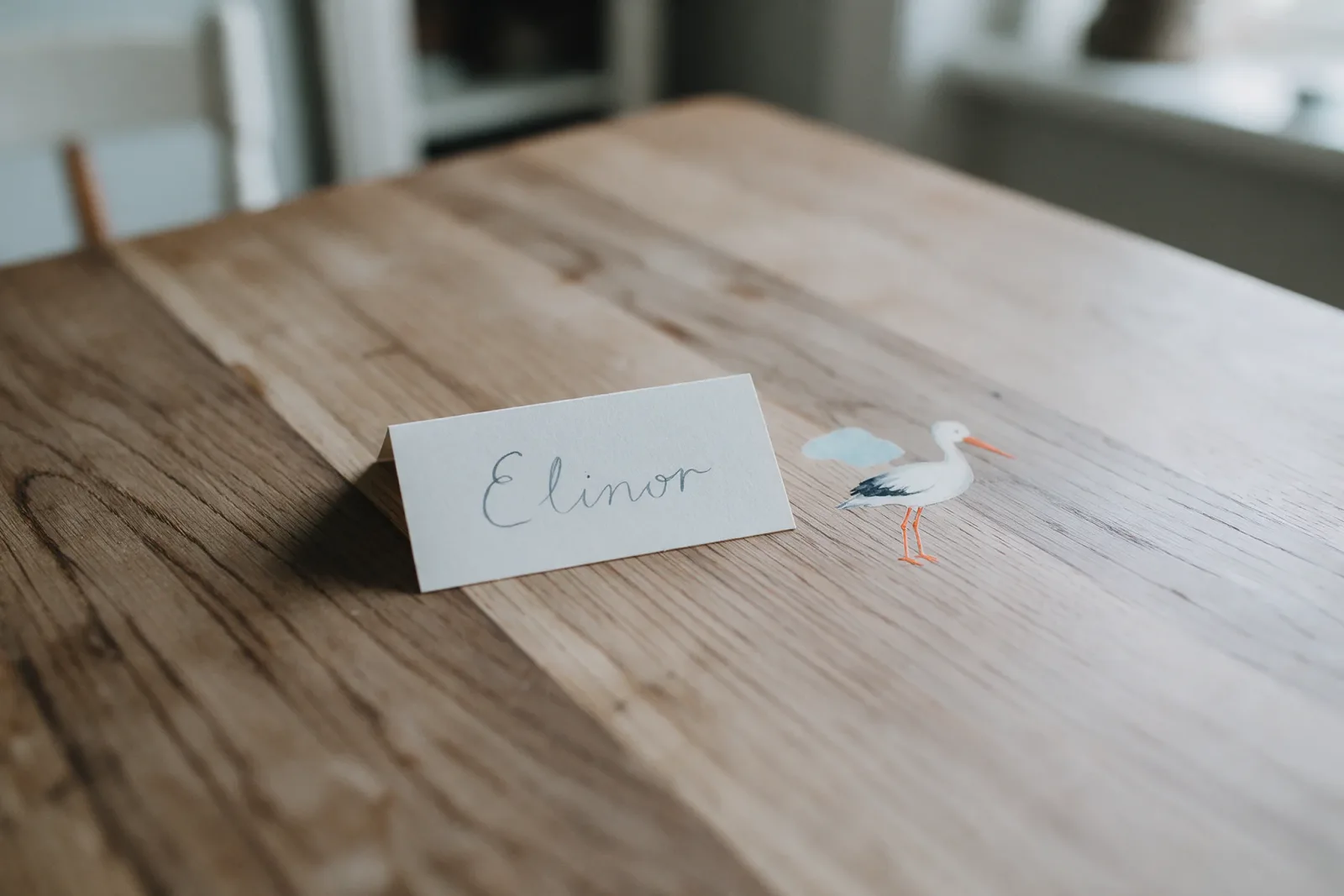
A first birthday is not an ending, and that is worth saying plainly, because so much of early childhood feels like a series of endings. The newborn stage ends, the crawling stage ends, the first year ends. But the story a stork gift starts is not one of them. At age one, that story is only just beginning. The first birthday is not a finish line. It is the turn of a page.
Why the first year only sets the scene
In the first year, a gift that carries a bird's name is mostly a gift to the parents. The baby is too new to follow anything. The card sits on a shelf, the bird flies somewhere far away, and the connection between the two is only a promise. That first year is the setup, the part of the story where the characters are introduced and the stage is dressed.
Then the child turns one, and the story actually starts. A one-year-old can see, can point, can be told that the bird in the picture is real. The promise begins to become a thing the child can touch.
The child who starts to look
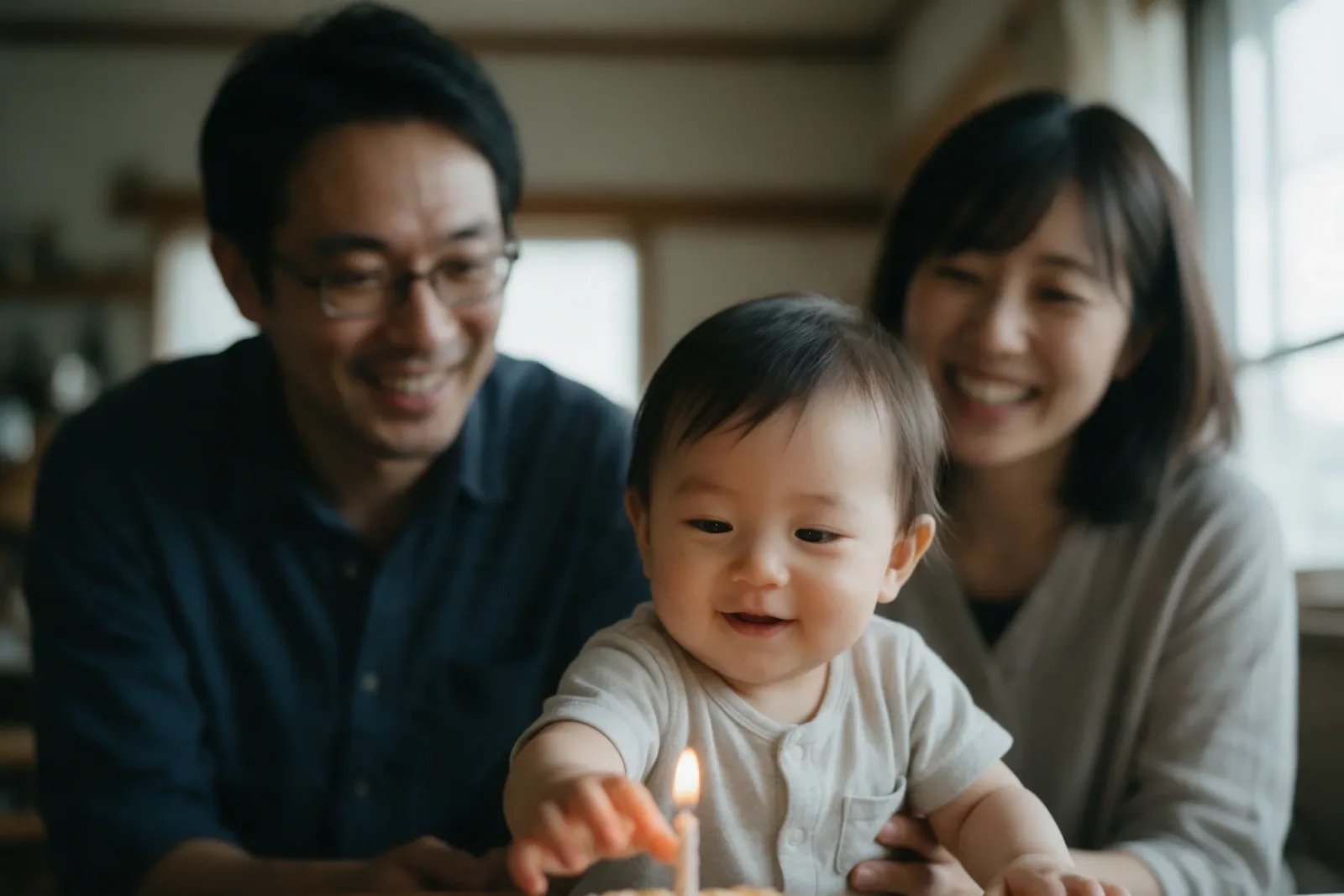
Sometime around the first birthday, a child begins to look at the world on purpose. They notice the bird in a book, the wing outside the window, the card on the shelf that has been there their whole life. This is the moment a stork gift comes alive. The child is suddenly a participant, not just a recipient. They can reach for the single lit candle, and they can reach, in their own small way, toward the story.
That is the second chapter. It is the chapter where the child learns that the story belongs to them.
A story that grows with the asking
In the second chapter, the questions begin. What is that? Where is the bird? Why does it go away? The questions are simple, and they are the engine of everything that follows. A child who asks about a stork is a child who is learning that the world is bigger than the room. Each question opens the story a little wider, and the bird, faithful and unhurried, keeps flying through it.
No one has to force the story forward. The child's own curiosity does the work, which is exactly why it is only just beginning at age one.
Why the best gifts are slow
The best gifts do not exhaust themselves in a single opening. They are built to be slow, to hold something back, to keep a later chapter in reserve. A stork gift is that kind of gift. The first birthday is only the moment the child can finally reach for it. The years after are the long, patient unfolding.
So light the candle, and know that this is not the end of the first chapter but the start of the second. The bird is still flying, the story is still opening, and the child, at last, is beginning to read it.
The chapter the child begins to write
From the first birthday on, the story stops being something the parents tell and becomes something the child helps shape. The child points, asks, remembers. They begin to claim the bird as their own, to insist on hearing about it, to watch for it out the window. The second chapter is where the gift stops being given and starts being lived.
That is the quiet shift every good keepsake is waiting for. The moment the child takes hold of it, the story belongs to them in a way it never could before. The parents become the audience, then the co-tellers, and the bird, faithful as ever, keeps supplying the plot. All the first chapter had to do was get them here, to the edge of a story the child can now climb into on their own.
The first birthday marks a turn, not an end. The story is only now finding its feet, now that the child can point and ask and remember. Every candle after this one will stand on a deeper foundation, because the story will have had another year to grow. The bird keeps flying, the chapters keep opening, and the child, one small step at a time, keeps learning to read them all.
Explore the gift