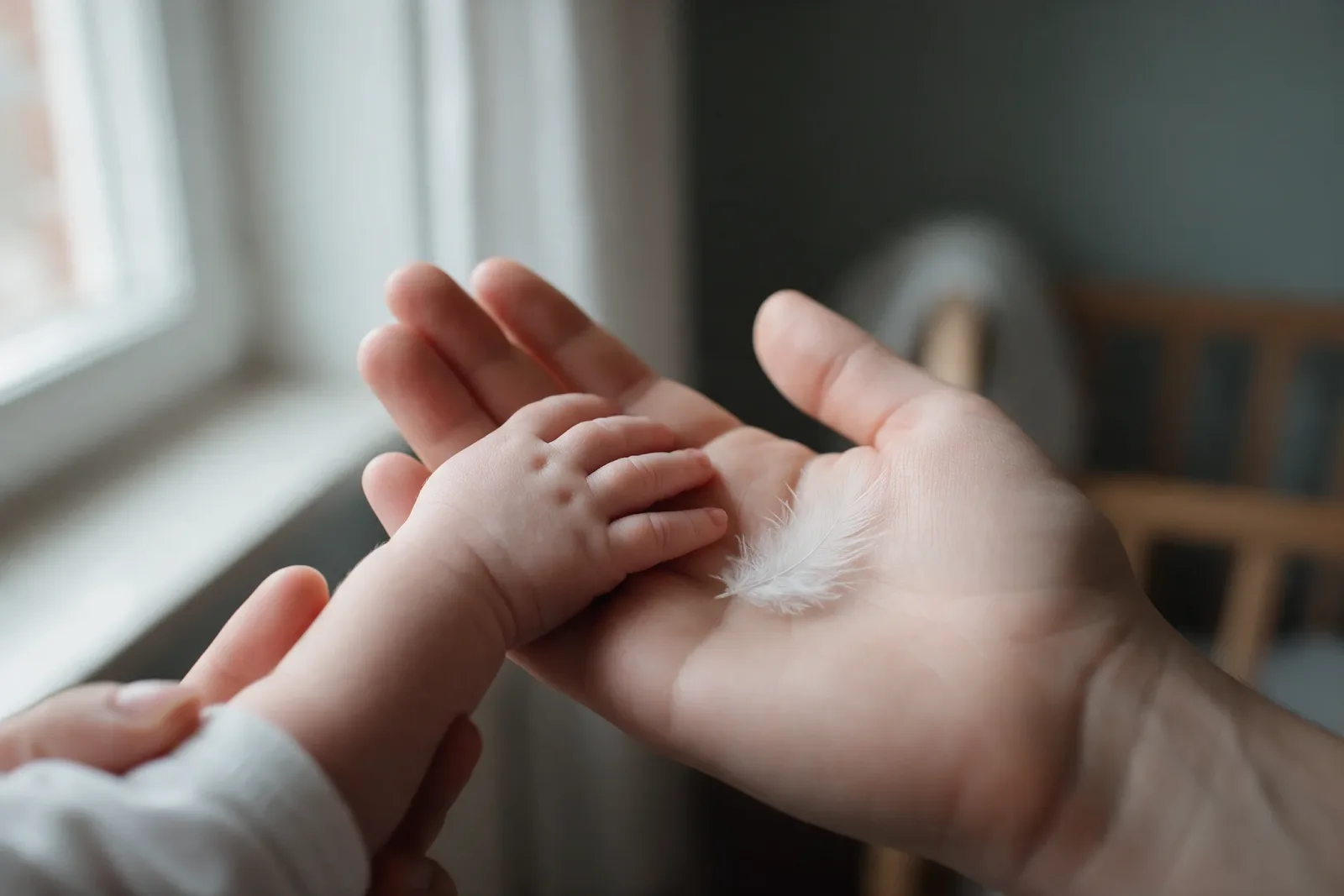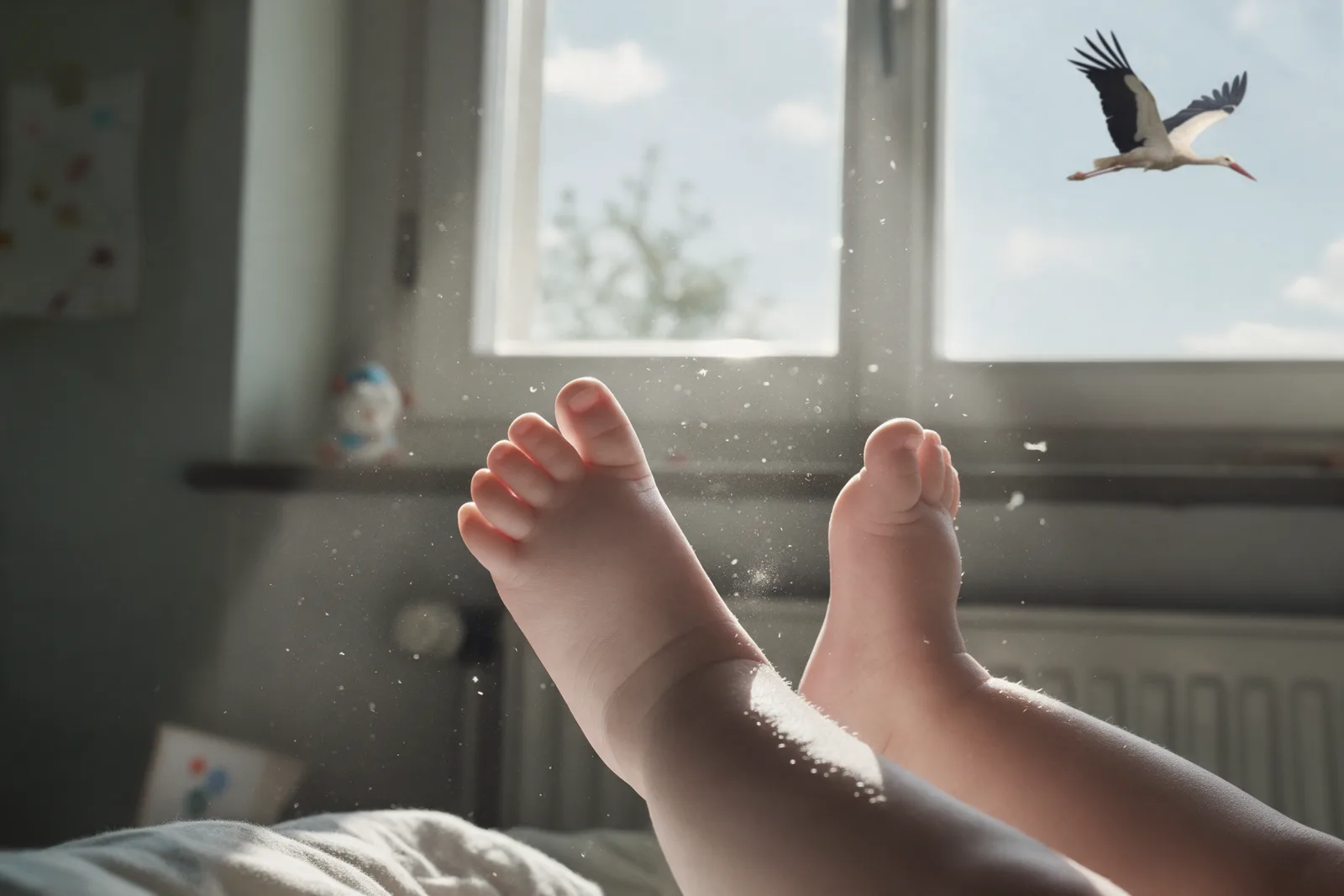
The gift of wonder is the earliest gift a child can receive, and it arrives before they can even hold it. Long before a baby understands words, they are already reaching for light, turning toward sound, staring at the dust motes floating in a sunlit window. Curiosity is not taught. It is already there, waiting to be fed. The question is only what we feed it with.
Where wonder comes from
Wonder begins in noticing. A baby notices everything, a passing shadow, a breeze, a bird crossing the glass. They have not yet learned to filter the world into the ordinary and the remarkable, so everything is remarkable. That is the great gift of infancy, and it is also the one we slowly lose as adults.
The best gifts for a newborn are the ones that keep that original wonder open rather than closing it. They give the child something alive to keep noticing, something that never becomes fully ordinary.
Feeding curiosity with something real
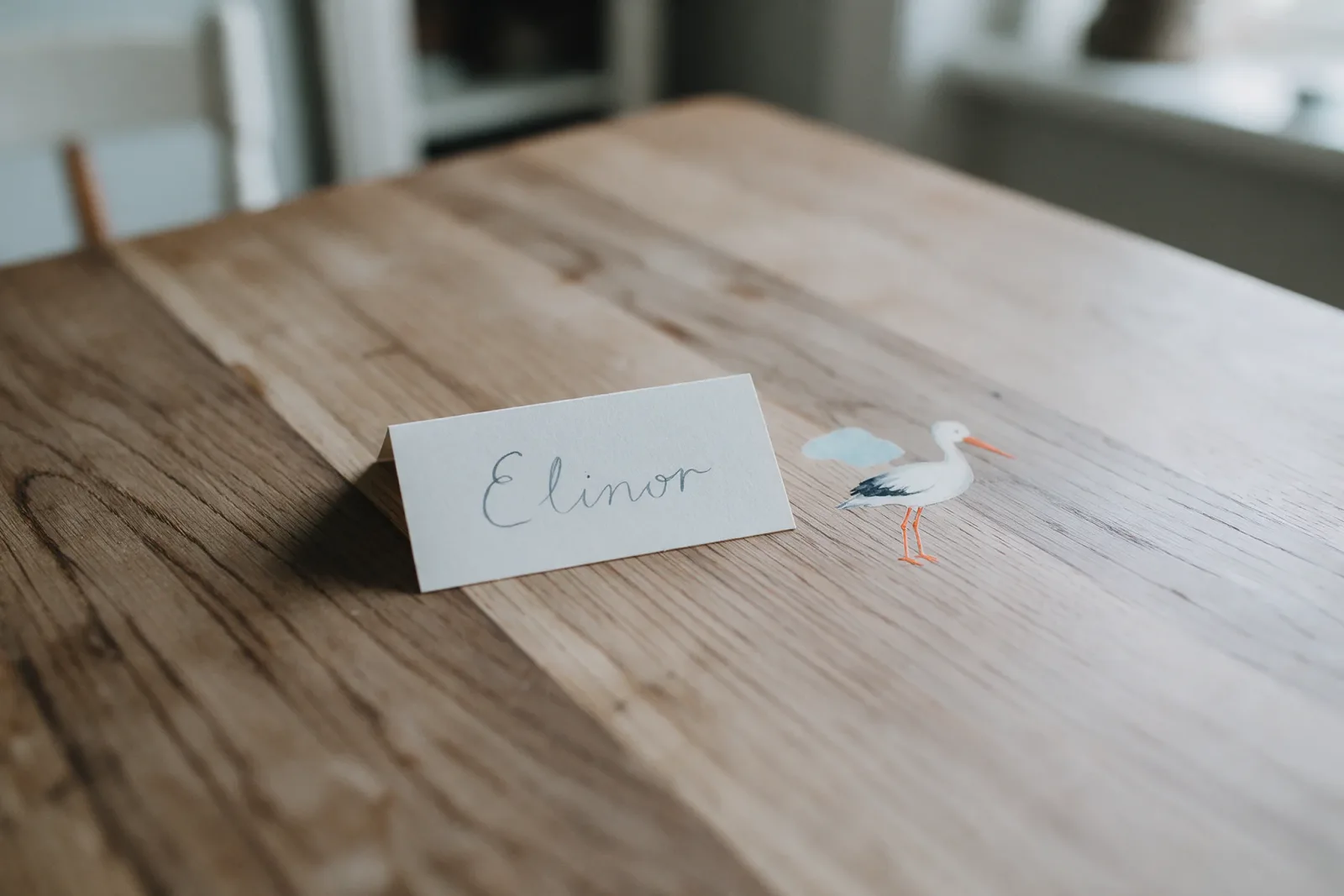
Curiosity grows best on real things. A bird that actually flies, a journey that actually happens, a name that belongs to an animal out in the world, these are better fuel for wonder than any toy. A white stork is a perfect subject. It migrates between Europe and sub-Saharan Africa, riding thermals across whole seas and deserts. That is a real fact, and it is strange and wonderful enough to hold a child's attention for years.
When a family ties a newborn to such a bird, it hands curiosity something real to chew on. The child is not being given an answer. They are being given a question that keeps unfolding.
The child who learns to look up
There is a habit of looking, and it can be planted early. A child who grows up following a stork learns to look at the sky, to watch for birds, to wonder where a creature is going and why. That habit, once it takes, spreads to everything. The child who wonders about a stork will wonder about the sea, the stars, the weather, the way a seed becomes a tree.
Wonder is not a single skill. It is a posture toward the whole world, and it is easiest to adopt when you are very small.
Why wonder outlasts every toy
Toys break and are outgrown. Wonder does neither. A child who is taught to be curious keeps the habit for life, long after the stork has stopped being the centre of it. The bird is only the first object of attention. What the child is really being given is the act of attending, the pleasure of not knowing, the delight of finding out.
That is the gift of wonder in full. It cannot be wrapped, and it never stops giving. It starts with a window, a bird, a question, and it ends somewhere the child will keep discovering for the rest of their life.
Keeping the window open
Wonder is not something we give once. It is something we keep open, and it closes easily. A child who is never shown the strange and the faraway will stop looking for it. A child who is given a bird to follow keeps the habit alive. The stork becomes a small key that turns, again and again, in a lock the child does not even know they hold.
The parents are part of this too. They are the ones who say, come and look, who lift the child to the window, who point at the sky and wait. In doing so they keep their own wonder warm as well. The gift, in the end, is not only the child's. It is a shared habit of looking, passed back and forth, kept alive by the simple act of paying attention to a bird.
The window is always there, and the bird is always somewhere, and the only missing piece is the habit of looking. A gift that plants that habit early gives a child more than a bird. It gives them the sky, the weather, the turning year, all of it available through one small pane of glass. The gift of wonder, it turns out, is not a single moment of amazement. It is a way of paying attention, learned young and kept for life.
Explore the gift