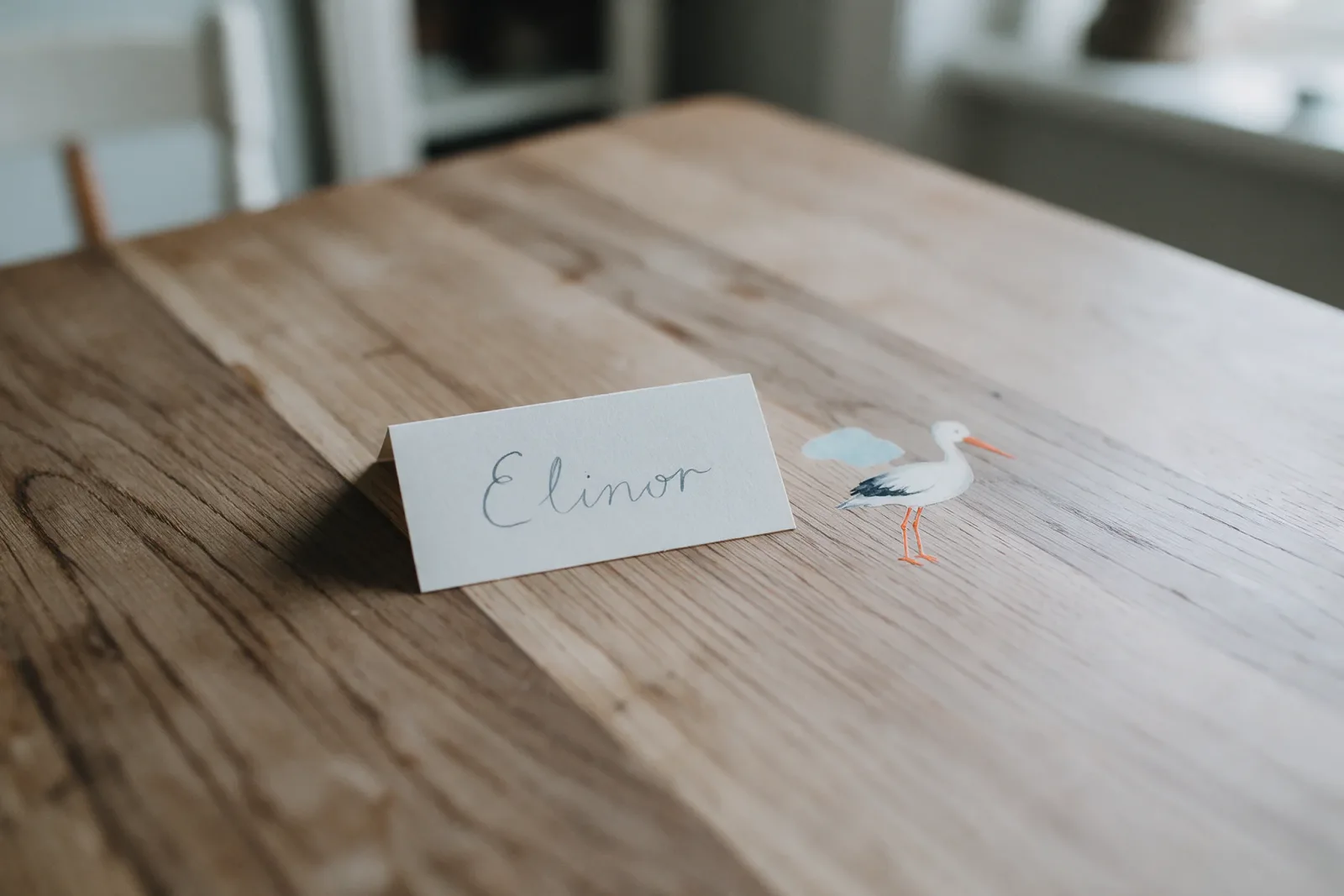
The longest gift is not the biggest box or the most expensive one. It is the one that refuses to run out. Think of a stack of gift boxes beside a single slim card, and notice which of them is still around in five years. The boxes will be gone, their contents outgrown or broken or forgotten. The card will still be there, thin and patient, because it was never meant to be used up.
The arithmetic of most presents
Most presents have a lifespan. A toy lasts until it breaks or bores. An outfit lasts until it no longer fits. A bottle, a blanket, a book, each is consumed in its own way, and then it is done. There is nothing wrong with this. It is simply the arithmetic of giving. The trouble is only that we rarely think about it, and so we mistake the brief for the long.
A gift that never runs out is a different category of thing altogether.
What makes a gift run out
A gift runs out when its value is fully spent. Once the toy is mastered, once the clothes are outgrown, once the novelty fades, the object has done its work. The key is novelty. A gift that depends on being new will always run out, because newness cannot be stretched. A gift that depends on being alive is another matter. Living things, and stories about living things, do not become old news. They keep changing.
A white stork changes every single day of its life, which means a gift tied to it never reaches the bottom.
The bird that keeps refilling the cup
Here is the difference, made plain. A toy is the same tomorrow as it is today. A stork is not. In autumn it is flying south. In winter it is standing in warm grass far away. In spring it is back on the same rooftop. Every season refills the story, and the story refills the gift. The child can return to it again and again and always find something new, because the bird never sits still.
That is why it is the longest gift. It is not longer because it is sturdier. It is longer because it is alive.
Choosing the gift that outlasts the pile
When you stand before a pile of possible presents, the longest gift is usually the smallest. It does not shout. It does not take up the whole table. It simply waits, knowing it will still be there when the rest has been boxed and passed along. The discipline is in choosing it anyway, in resisting the noise and picking the thing that lasts.
The longest gift is the one your child will still be reaching for years from now, not because it survived, but because it never once ran out.
What never runs out
The longest gift is not long because it is durable, though a card can last many years. It is long because it is alive. A living thing is never finished being interesting. The bird hatches, grows, migrates, returns, nests, and every one of those chapters is new to the child following along. The gift refills itself the way a spring refills a well, without effort and without end.
That is the test of a gift that never runs out. Ask whether it will still be interesting in ten years, in twenty. A toy fails that test. A story tied to a real animal passes it, because the animal keeps living, and life, by its nature, keeps being worth watching. The longest gift is simply the one that has a living heart at the centre of it.
So the next time you weigh one present against another, ask which one will still be alive in ten years. The answer is usually the smallest thing on the table. The longest gift is almost never the biggest. It is the one with a heartbeat, or the one tied to something that has one, and it is the only kind of present that can honestly promise to keep giving for the rest of a child's life. Choose the living thing, and you will never have to wonder whether the gift was enough. It will simply keep proving, year after year, that it is.
Explore the gift