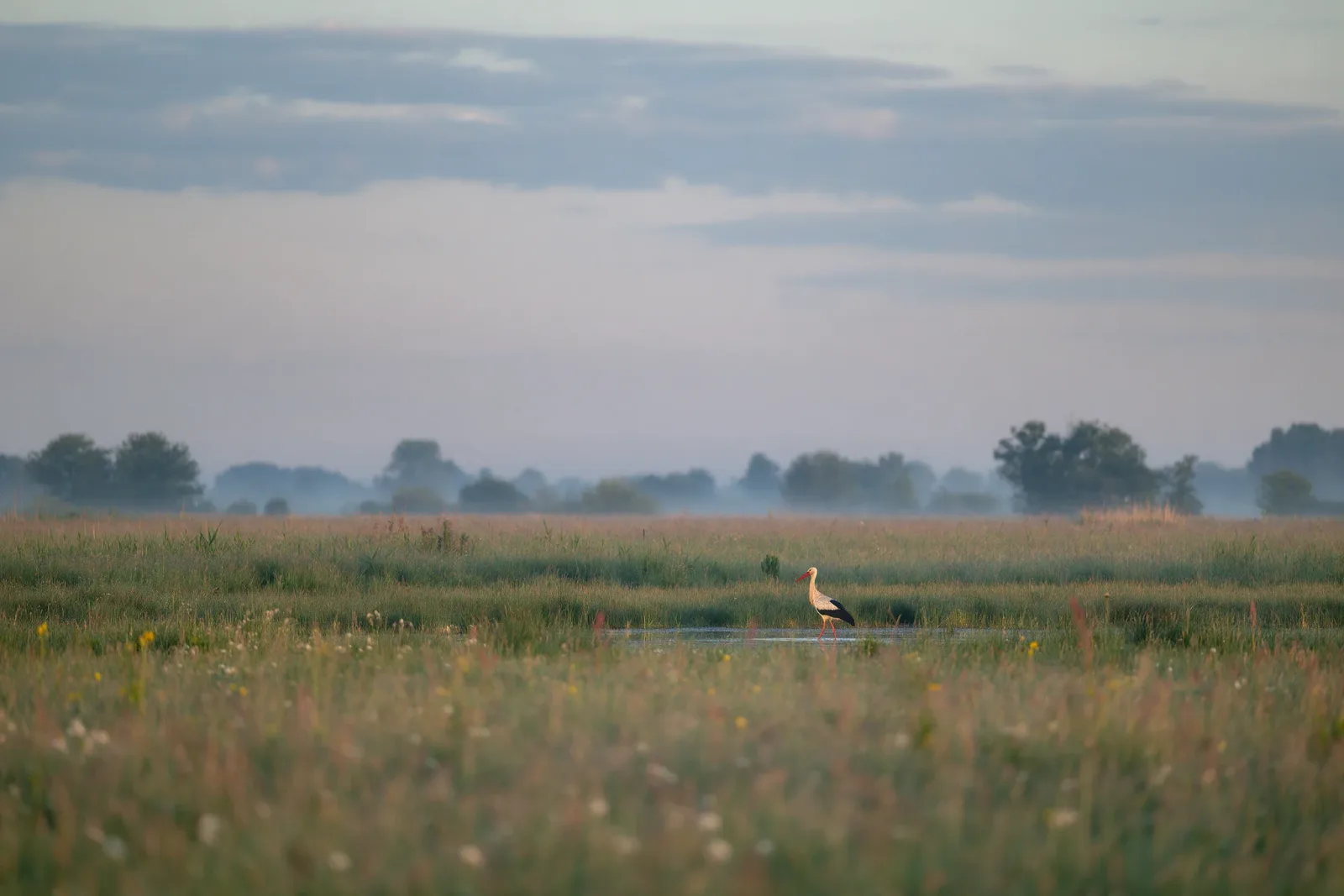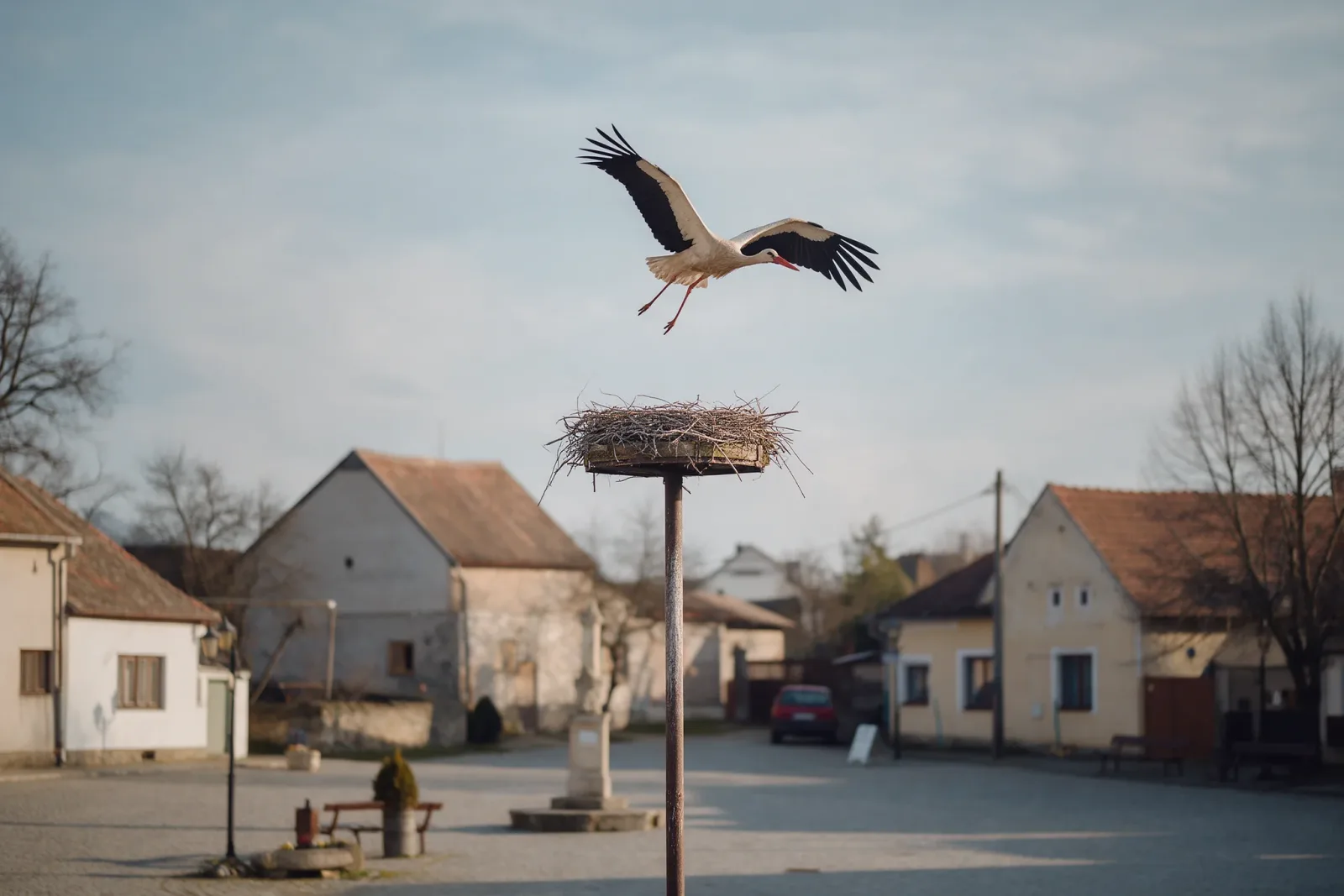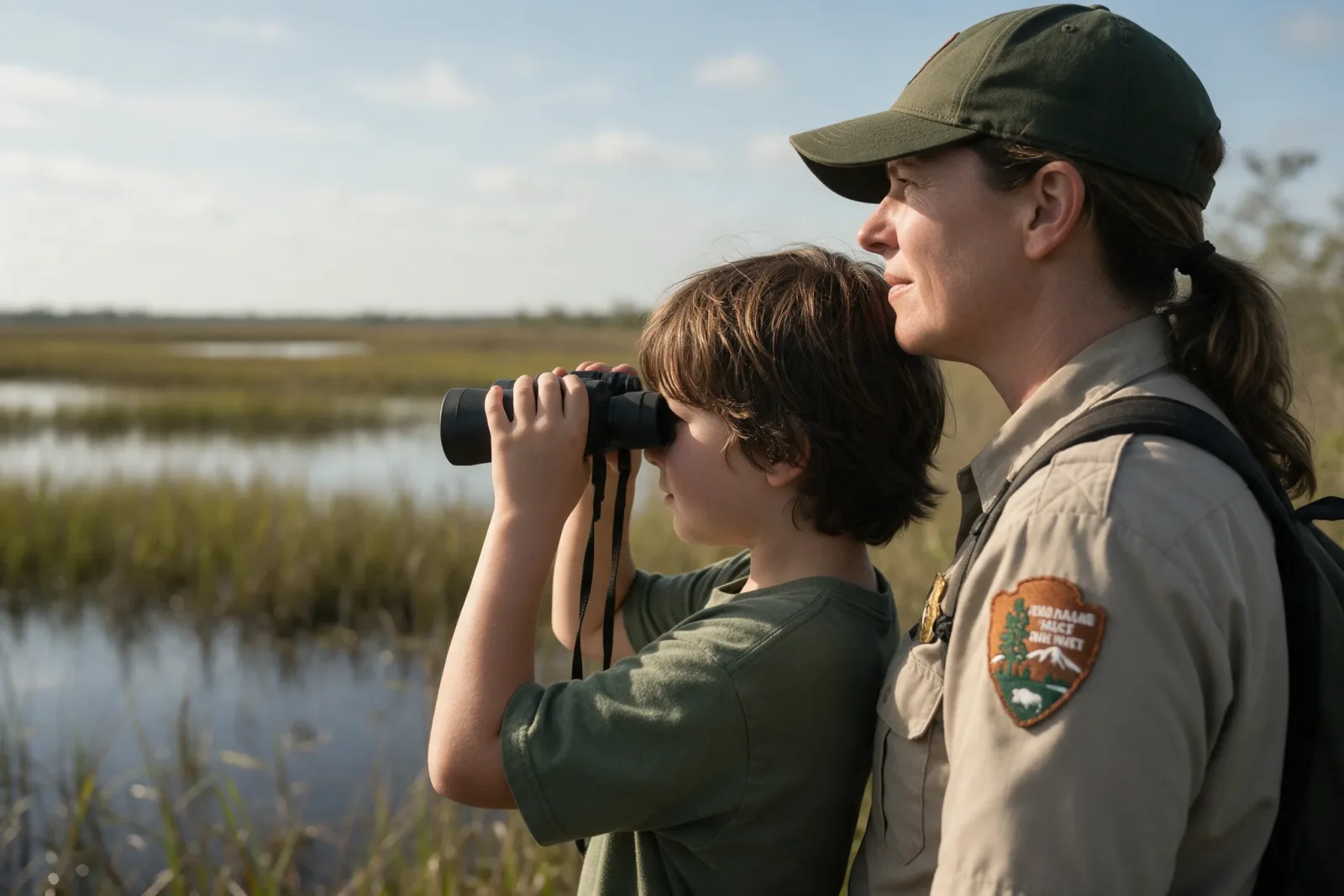
A generation of wardens is growing up beside the very marshes their parents and grandparents helped drain, and they are the best hope the white stork has. These are not remote experts in far-off offices. They are the children of the stork villages, the teenagers who grew up watching a bird on the chimney, now learning to read a wetland, keep a record, and guard a piece of ground with the same care their elders once gave to the fields.
Learning the marsh from the ground up
The work of a young warden begins, unglamorously, with mud. It begins with learning to identify the frogs a stork eats, to read the water level, to know when a reed bed is healthy and when it is failing. It is the slow craft of attention, passed from one person to another, often beside an adult warden who has spent decades at the same task.
This is how knowledge survives. It is not written down and forgotten. It is walked, season after season, until the young person knows the marsh the way you know a room in your own house.
Repairing an inheritance
There is something quietly redemptive in this. The generation that drained the wetlands did so believing they were improving the land, making it useful. The generation now learning to re-wet it is not judging them; it is simply completing the job in the other direction.
That is a hard and honest position to hold. It means living with the knowledge that the landscape you love was shaped by people you love, and that fixing it is not an act of rebellion but of continuation. The young wardens are not turning against their parents. They are taking the land further, toward a future both could share.
Why the young matter
Conservation has always depended on the long view, and the long view depends on people who will be alive to see it through. A marsh restored today will not reach its full health for years, and the stork that returns to it may not fledge its first chick until the current wardens are old.
That is why passing the work to the young is not a side project. It is the whole project. A protected wetland only stays protected as long as there is a new set of eyes to watch it, a new set of hands to repair the fence, a new voice to argue for it when the pressure to build comes again.
Hands that will hold the future
The young wardens will hold, in time, the same binoculars their teachers held, and they will stand in the same reeds, watching the same storks come home. The names may change, and the faces, but the watching continues.
That continuity is the quiet heart of conservation. A bird that flies the same route every year, and a person who learns to guard it every year, are bound together in a rhythm that outlasts any single lifetime. The marshes their parents drained are filling again, and a generation of wardens is ready.
Explore the gift