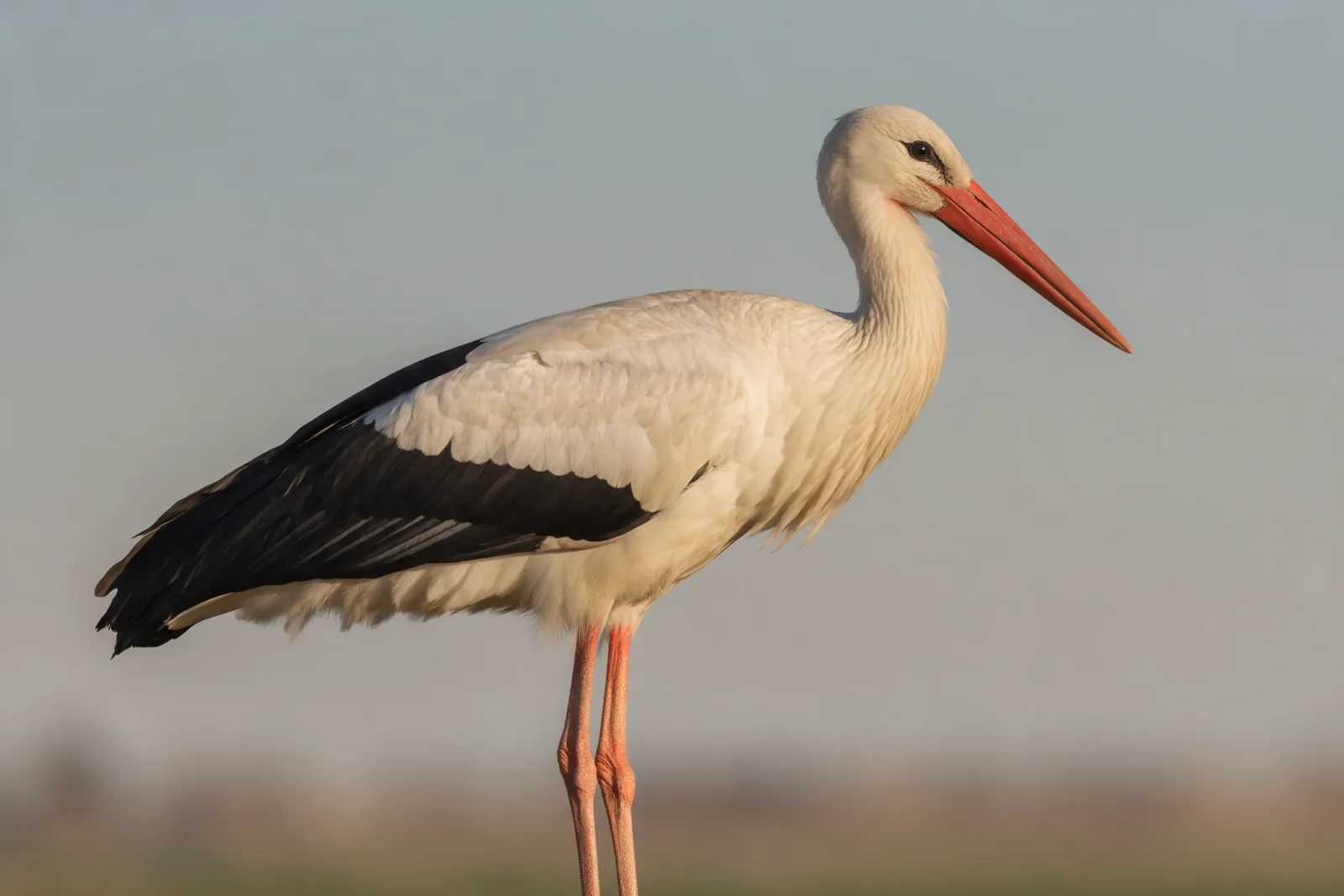
Why storks disappeared is a question with an uncomfortable answer, because the causes were almost all of them made by us. A century ago the white stork was still a common sight across much of Europe, a bird on every other roof. Then, within a few short generations, the skies began to empty. The bird did not simply drift away. It was pushed.
The water was taken first
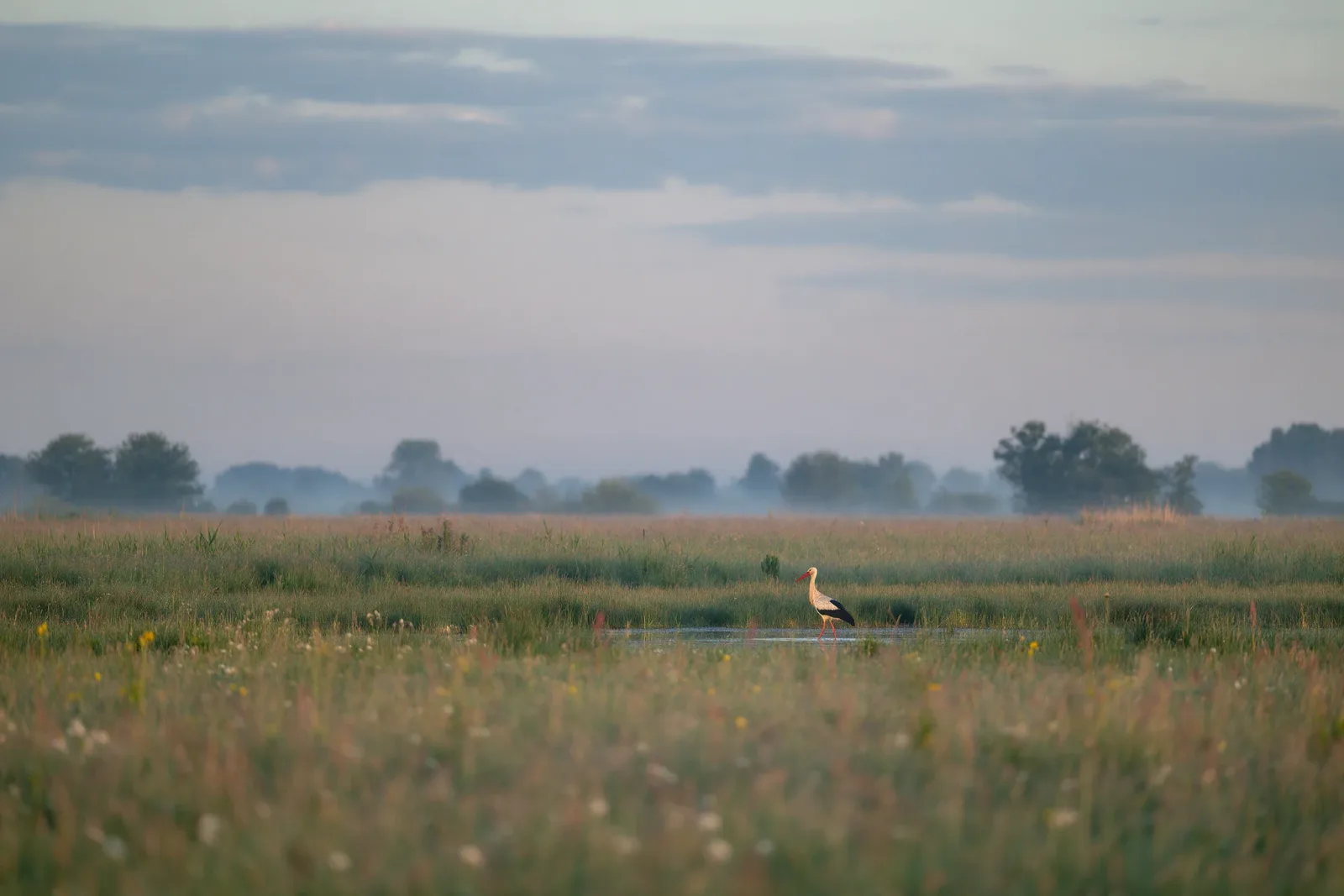
A stork is a bird of shallow water. It feeds by wading through marshes, wet meadows, and river edges, snapping up frogs, insects, and small fish. When those places began to be drained in the name of progress, the stork lost its table.
Wetlands were seen as wasteland: land that needed to be dried out and made useful. Marshes became fields, then fields became roads and houses. Each drained meadow removed one more place where a stork could feed its chicks. The birds that stayed often starved quietly, and the birds that could find nothing left for good.
The guns and the wire
Hunting took its own toll. White storks were shot on migration, often for sport or out of habit, as they passed through narrow sea crossings where thousands of birds were funnelled together. The losses were enormous, and they came at the worst possible time, when a whole year of breeding could be undone in a single afternoon.
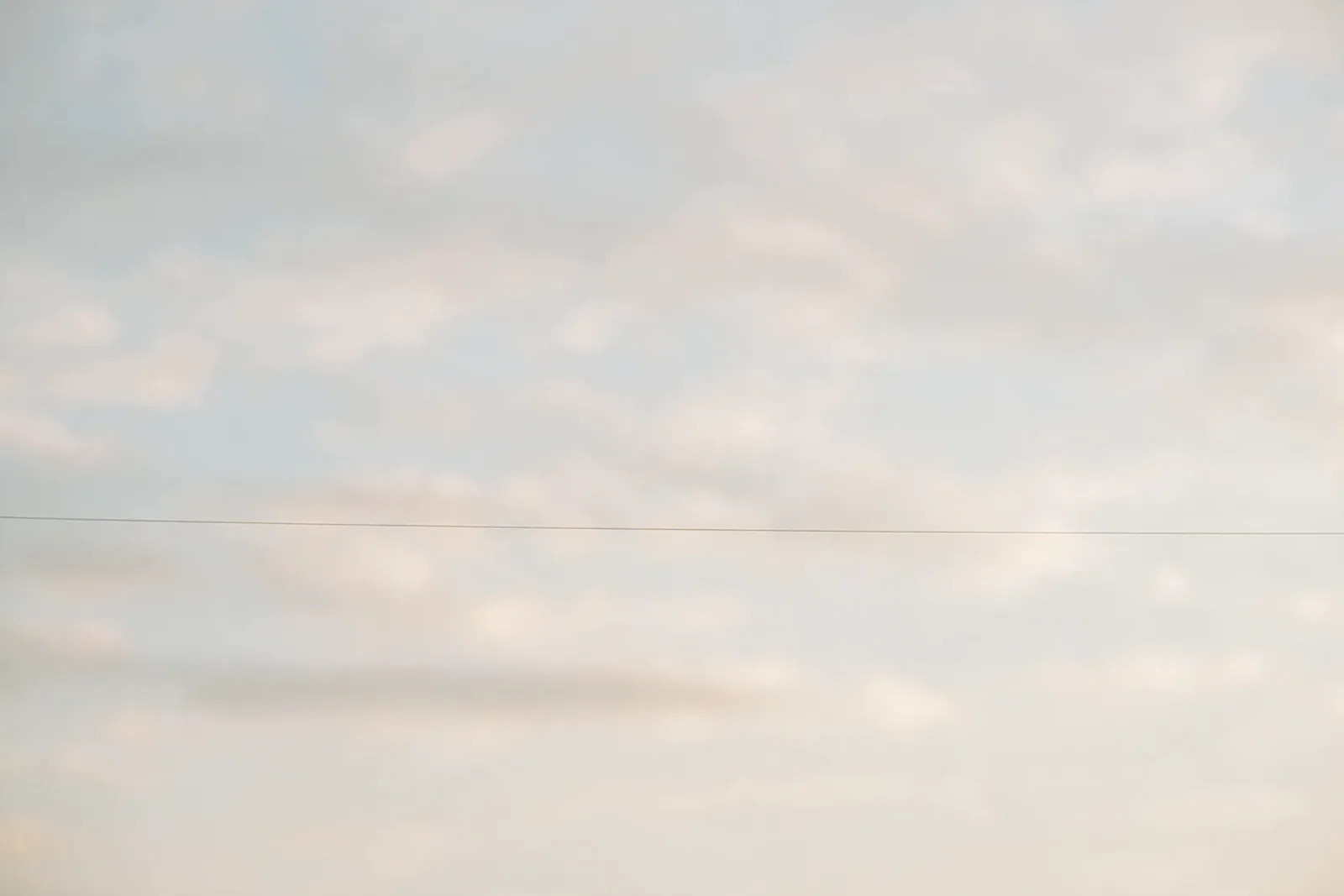
Power lines arrived next. A stork in flight does not see a thin wire against the sky, and a collision at speed is nearly always fatal. New poles and cables went up exactly where the birds travelled, and the migration corridors that had been safe for centuries became gauntlets.
The poison in the ground
Pesticides finished the work the drainage had begun. The chemicals meant for crop pests did not stay in the crops. They washed into ditches and puddles, and they accumulated in the small creatures storks eat. A bird needs a great many insects and frogs to raise a brood, and each one carried a trace of poison. Birds did not always die outright. Sometimes they simply failed to breed, and a nest that should have fledged three chicks fledged none.
A silence that was noticed
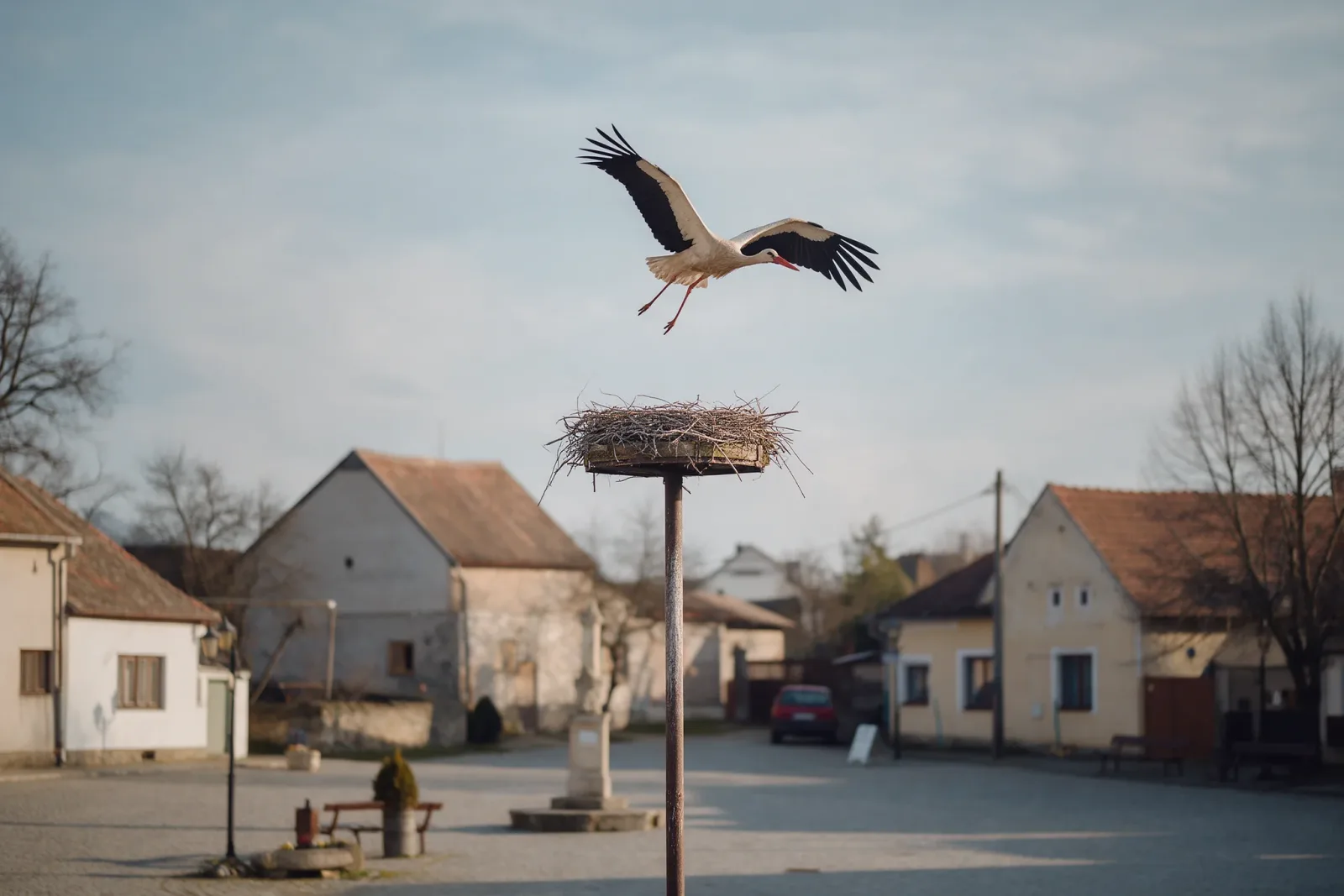
The disappearance happened gradually, and for a long time people did not quite register it. Then one spring someone looked at the empty chimney and realised no stork had come back. Villages that had welcomed the bird for centuries suddenly had nothing to welcome.
That silence was the turning point. What had been lost began to be counted, and what could be restored began to be imagined. The reasons the stork disappeared are a warning we are still learning from. The good news is that the causes, once named, could be addressed, and in many places they were.
Explore the gift