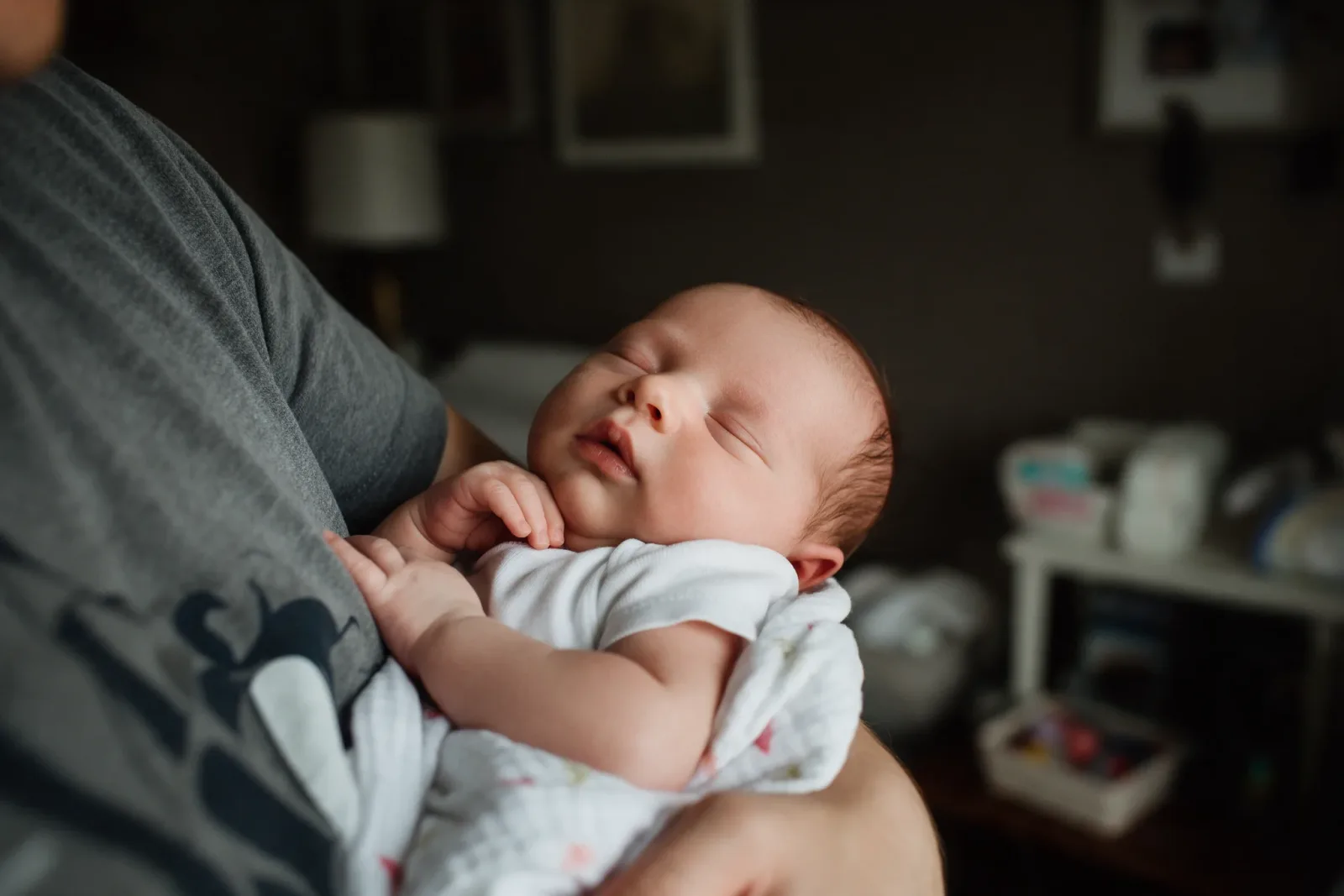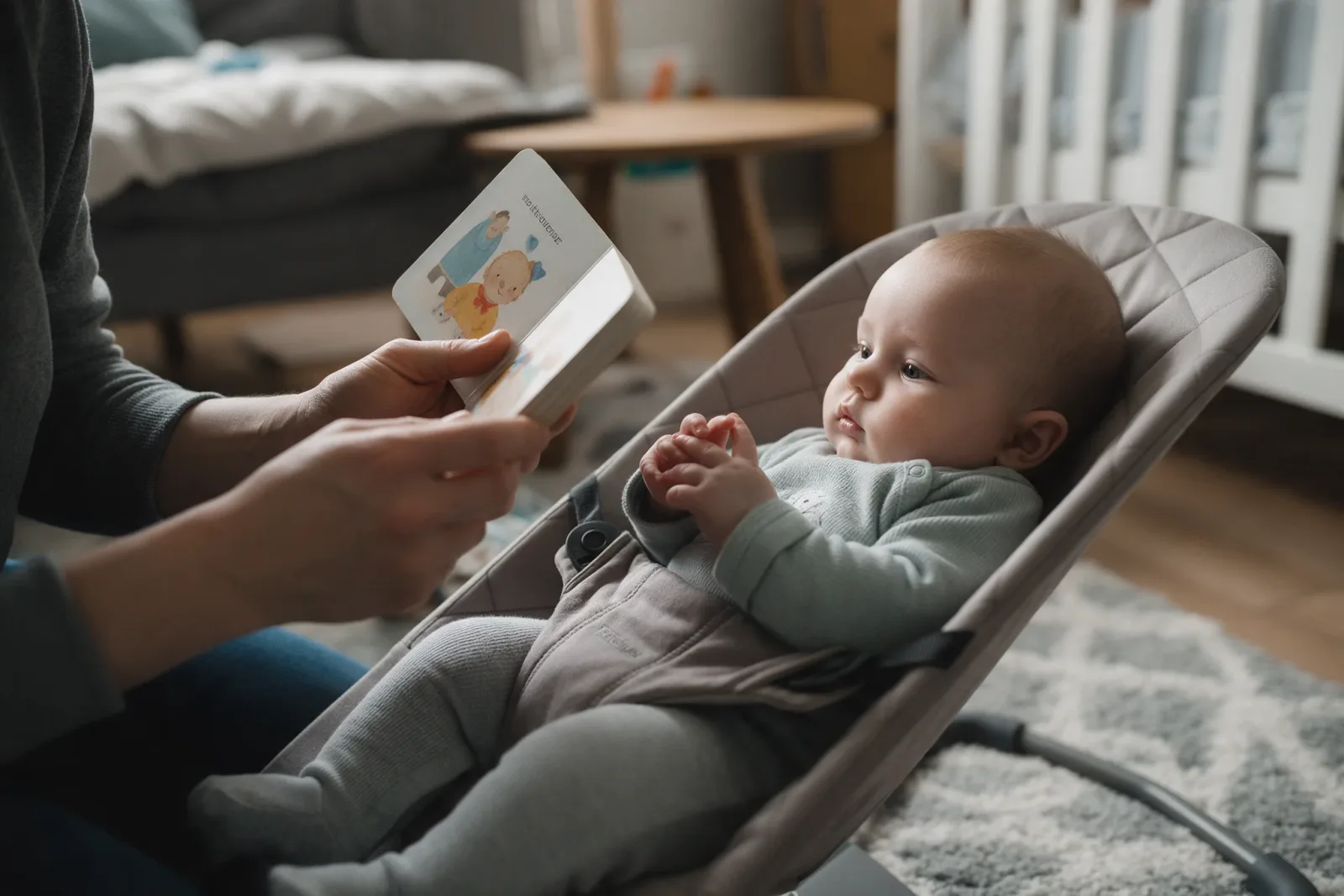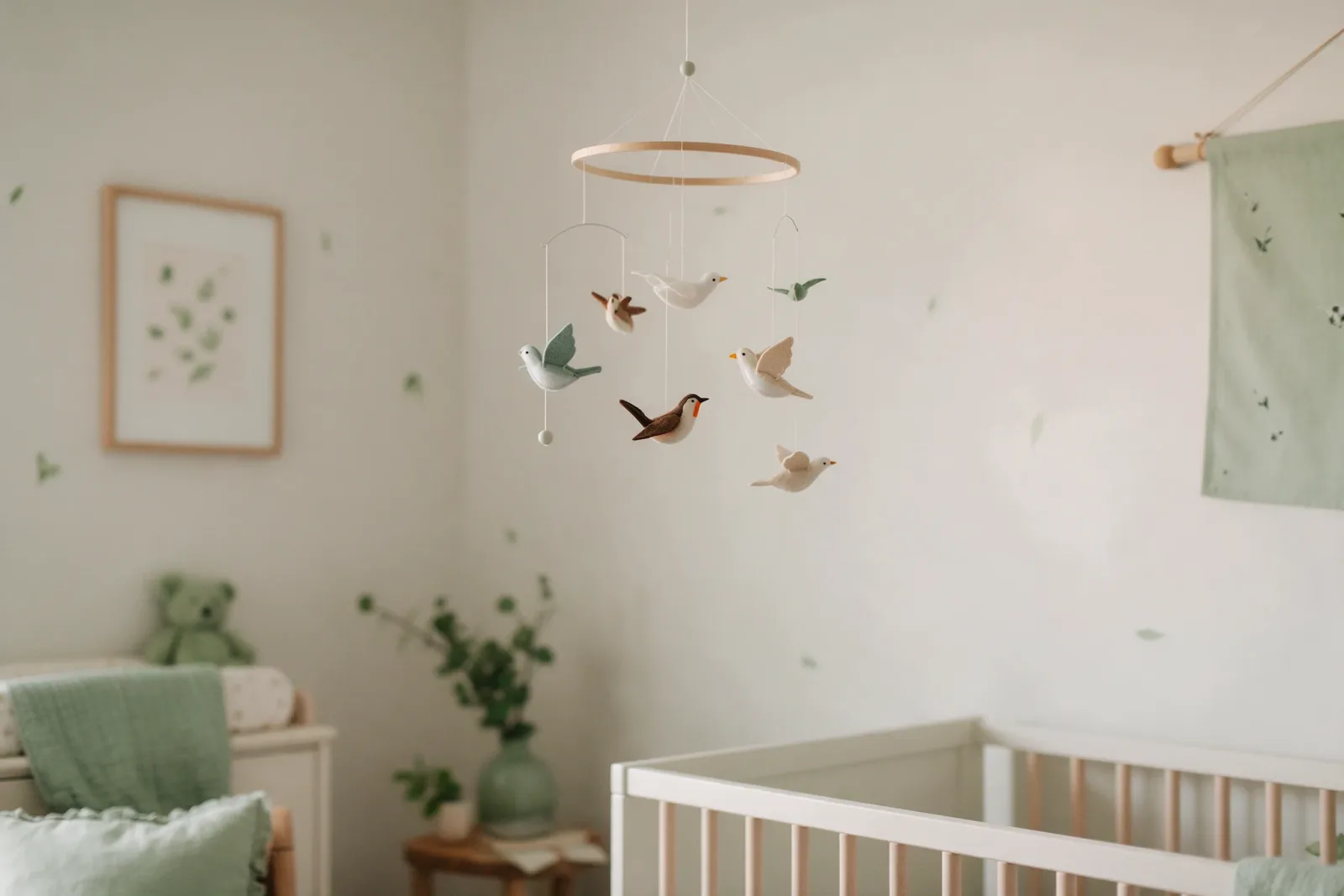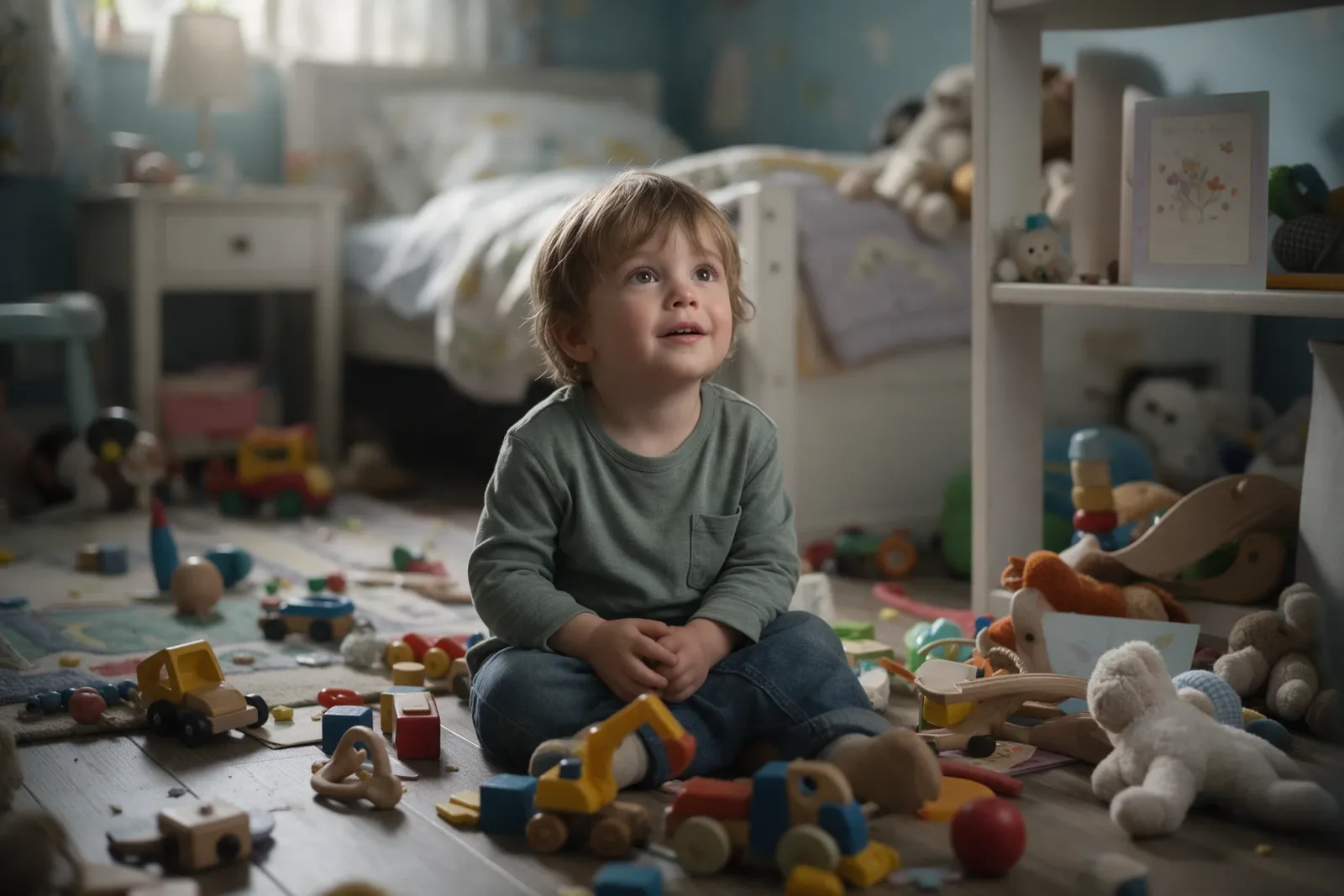
Walk into almost any home with young children and you will find the same landscape. A shelf of stuffed animals, a basket of blocks, a bin of toys that were loved for a month and then forgotten. Most gifts have a short life. They are bright and loud, and then they are clutter. A gift that outlives the toys is the rare thing that is still treasured after all the plastic is long gone.
What makes the difference is not the price or the size. It is whether the gift has a story that keeps going. A toy is finished when it is played out. A story is finished only when you stop telling it. Give a child something that keeps unfolding, and you have given something that cannot be outgrown.
The toys fade, the story stays
The stuffed bear loses its fur. The puzzle loses its pieces. The bright plastic kitchen is outgrown in a year and donated the year after. But a child who grows up following a named stork keeps the story, and the story is not something that can be broken or lost or left behind on the floor.
Think of how many gifts a child receives in a single year, and how few are remembered a year later. The ones that are remembered are almost never the biggest or the most expensive. They are the ones with something still inside them.
A keepsake earns its place
The gift that outlives the toys is often the smallest one in the room. A single card on a shelf, a name, a bird. It does not demand attention the way the toys do. It simply stays, and because it stays, it accrues meaning the way a nest accrues twigs. Each year adds a layer. Each birthday it means a little more.
The gift that grows with them
A toy meets a child at one age and says goodbye at the next. A stork's journey meets the child at every age. The toddler loves the name. The schoolchild loves the map. The teenager may quietly love the fact that somewhere out there a bird they have known their whole life is still flying. The gift does not need to change. The child changes, and the gift keeps up.
Give the story, not the stuff
If you want to give a gift that lasts, give less and give deeper. One thing with a story inside it beats a pile of things that will be forgotten by spring. The story is the real present. The rest is only the wrapping.
Part of the problem with toys is that they have a single answer. A puzzle is solved, a ball is caught, a game is won, and the thing is done. A story has no such end. It grows in the telling, and the child who owns the story never quite reaches the bottom of it.
You can spot the gifts that will last by asking a simple question: will this still be meaningful in ten years? Most things fail the test, and that is fine. But every so often something passes, and those are the gifts worth reaching for, the ones that hold a child's whole childhood.
The child will not thank you for the long-lived gift, not in so many words. But one day, grown, it will mention the bird, and the map, and the checking together, and you will understand that the gift that outlived the toys outlived almost everything else too.
There is a quiet irony in the fact that the longest-lived gifts are often the smallest and the cheapest. A story costs nothing to keep and nothing to repair. It cannot be broken, cannot be lost in a move, cannot be outgrown. It only grows, quietly, in the telling, which is why it outlasts everything else.
The best proof of a lasting gift is time itself. Check in a year, then five, then ten. The toys will be gone and the story will still be going. That is the whole argument, made quietly, and it needs no other evidence.
Years from now, when the toys are gone and the child is grown, the one thing that may still be there is the name of a bird and the memory of checking the map together. That is what a gift that outlives the toys looks like. It does not wear out. It just keeps meaning more.
Explore the gift