A winter without storks is a lesson in noticing what is not there. The nests are still on the rooftops, but they sit empty, dark bundles of sticks against a pale sky. The fields that were full of feeding birds in autumn are bare and still. And the sky itself, which carried white wings for so much of the year, has closed over into grey. The storks are gone, and the world is quieter in a way that takes some getting used to.
The empty nests
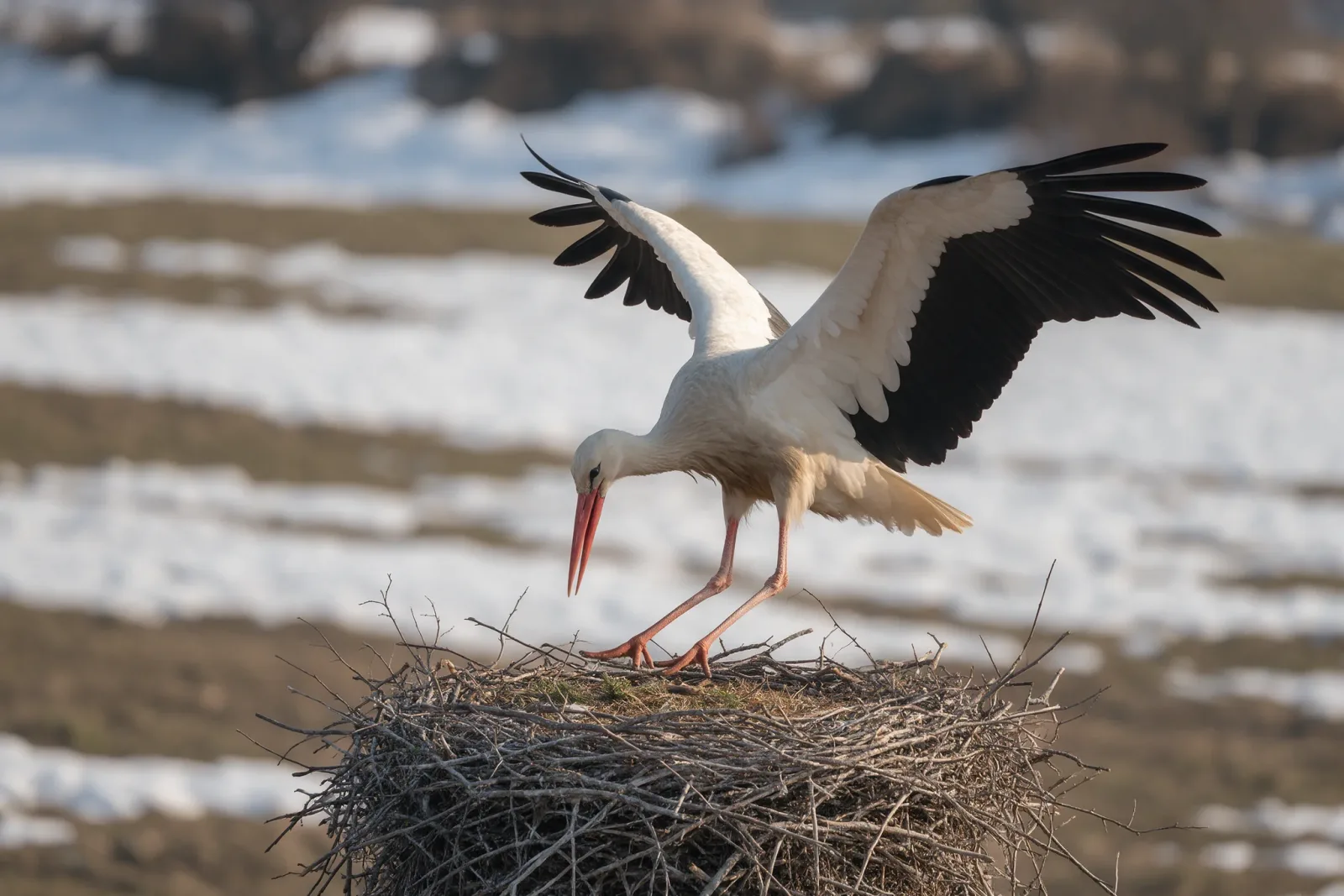
The nests are the hardest thing to look at. All through spring and summer they were alive, and now they stand abandoned, the last visible trace of the birds that made them. The wind ruffles the sticks but nothing moves inside. People who pass beneath them each day stop noticing them eventually, but the noticing comes back at odd moments, a glance upward that finds only the cold outline of a nest against the clouds. It is a small grief, and a familiar one.
The still fields
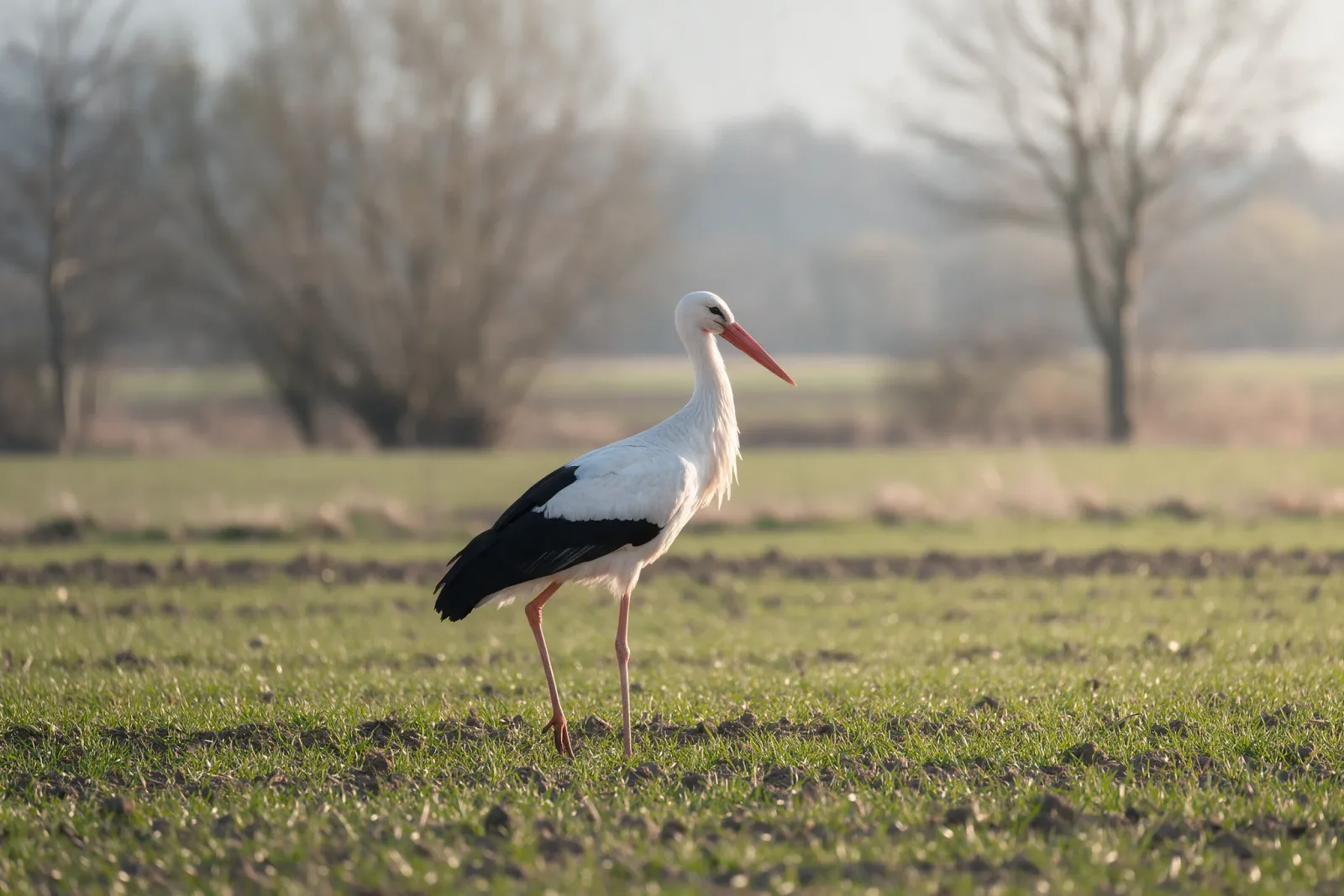
In the months the storks are away, the fields lose their habit of hosting. There are no white figures stalking through the stubble, no slow spirals rising over the meadow. The land waits through the short days, frozen and patient, the way the birds themselves wait far to the south. A winter field is a held breath, and the whole season feels like it is leaning toward the moment when the ground will soften and the walking birds return.
What the sky feels like
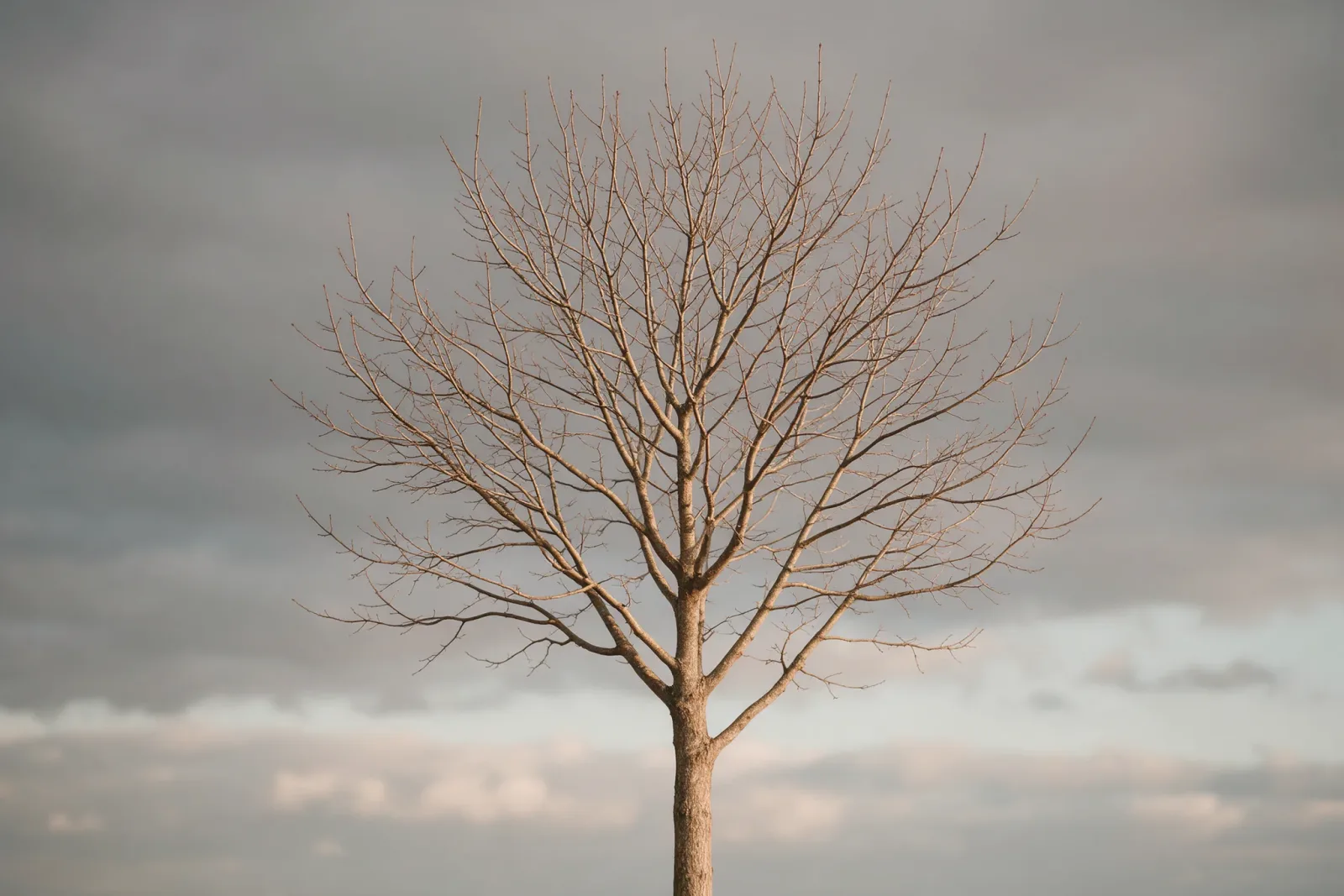
A sky without storks feels higher somehow, and emptier, and less busy with meaning. In summer the storks gave the air a shape, a sense of movement and purpose. In winter the air is just air, and it stretches over everything without interruption. There is a beauty in this bareness, the clean lines of a leafless tree against a grey horizon, but it is the beauty of a room after the guests have gone home. Quiet, and full of echoes.
Keeping the memory warm
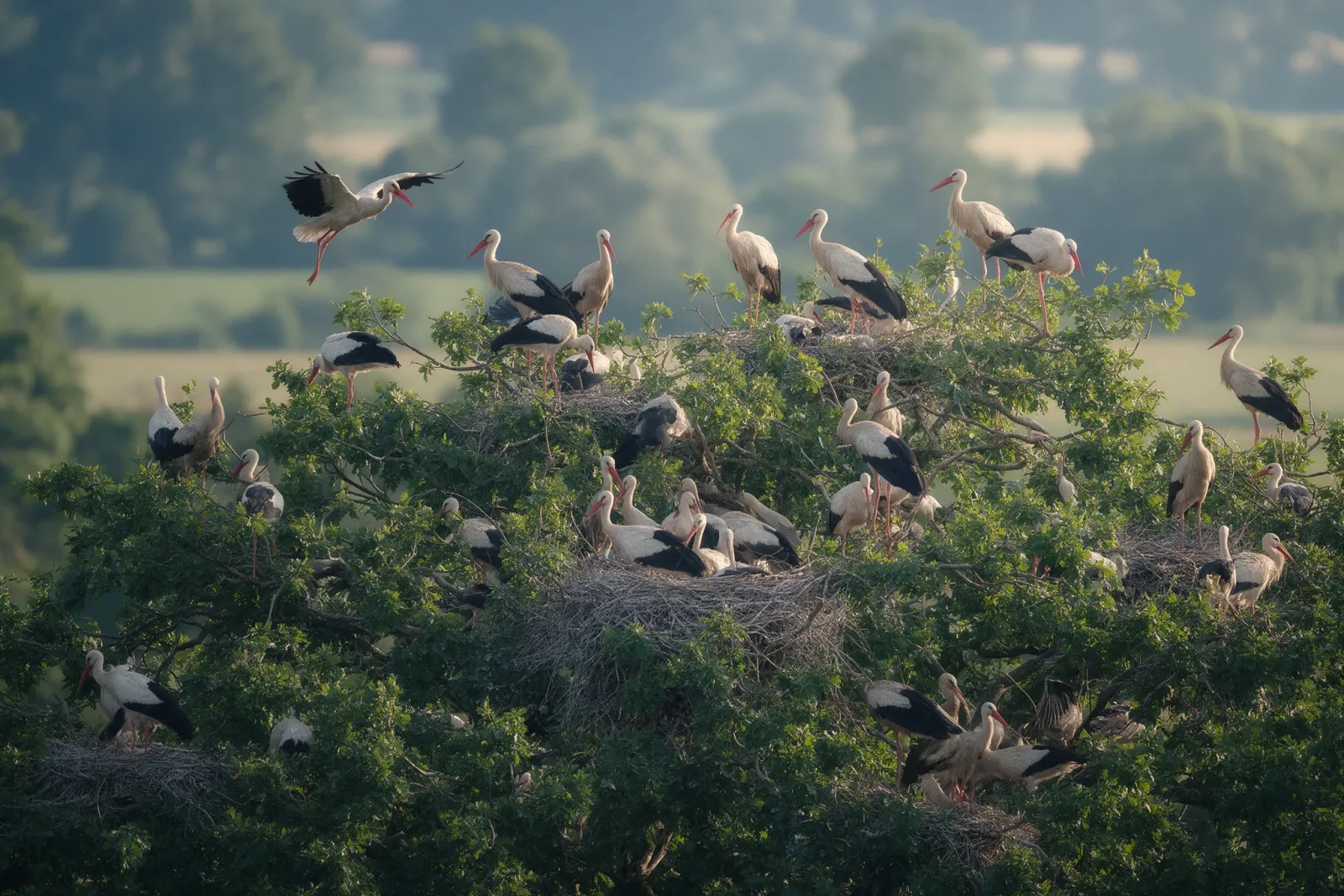
People find their own ways through a winter without storks. Some keep a photograph of the summer colony on the windowsill. Some watch the map, following the small moving dot that marks a bird far to the south. Others simply carry the memory of the last autumn gathering, the day the fields were white with birds, and let it warm them through the cold. The memory of storks is its own kind of keeping.
Waiting, which is also a season
There is a comfort buried in all this waiting. A winter without storks is not a permanent state. It is a season with a known ending, and every grey week that passes is one week closer to the return. The empty nests are not empty in any final sense. They are reserved. And when the first warm wind comes and the first bird appears over the melting fields, the long quiet will break all at once, and the sky will belong to the storks again.
Explore the gift