When do storks come back? It is the question every northern sky seems to ask in the last grey weeks of winter, and the answer is never a single date. White storks return to their nests not by a calendar but by weather, by the lengthening of the days, and by the pull of a place they know. For most of us the return happens across a handful of weeks in early spring, a slow, scattered homecoming rather than a single event.
The journey north
A stork coming home has flown a long way. Through the autumn and the first months of winter it was far south, somewhere warm, feeding on open ground. When the days begin to lengthen, something in the bird turns it northward again. It travels by day, riding thermals, and rests by night. The route is ancient, worn into the species by countless generations, yet each bird flies it alone, choosing its own pace and its own stopping places.
Reading the signs of return
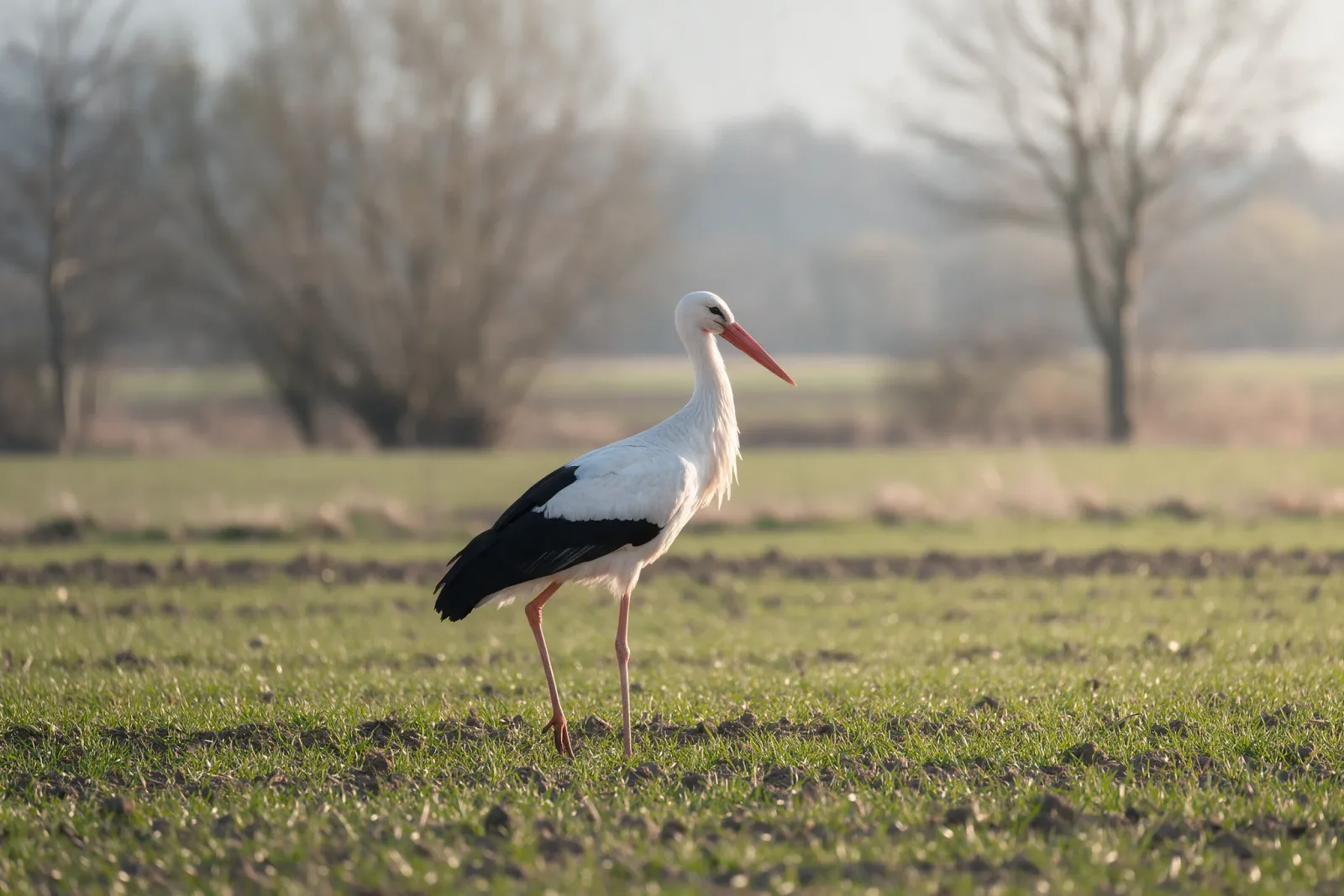
There are signs to watch for, and they come before the birds do. The first is the light itself, growing a little longer each evening. Then the snow begins to pull back from the fields, and the ground softens, and insects and small creatures start to move again. A stork feeds on such things, and it will not linger where the ground is still frozen hard. When you see the first plough turning dark earth, the storks are usually not far behind.
The old nests are waiting
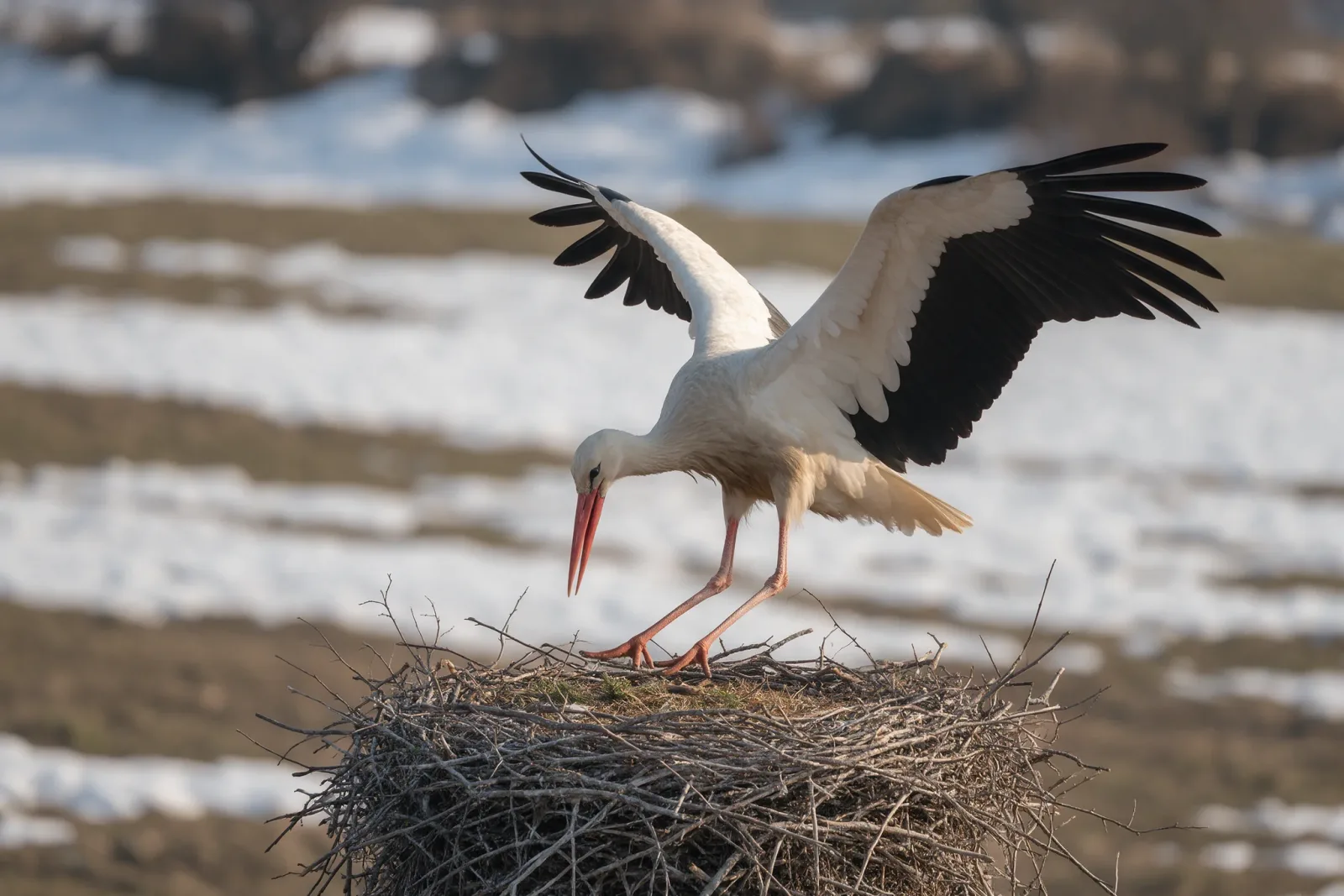
The nest is the fixed point of the whole journey. Storks are loyal to their nesting places, and many return to the same rooftop, chimney, or tower year after year. Those nests sit empty through the winter, a platform of sticks the wind does not blow away. When the owners come back, they arrive with the calm of people who know exactly where they are going. Sometimes a pair returns together, sometimes one arrives first and stands there, waiting for the other.
Why the timing varies
No two springs are the same. A mild, early spring may bring the storks sooner, while a cold snap can hold them back for a week or more. Wind matters too. Storks prefer to travel on warm air, and a stretch of dull, rain-heavy days will slow their progress. This is why the question of return never has a clean answer. The birds come when the air and the earth agree that the time has come.
The week the sky fills
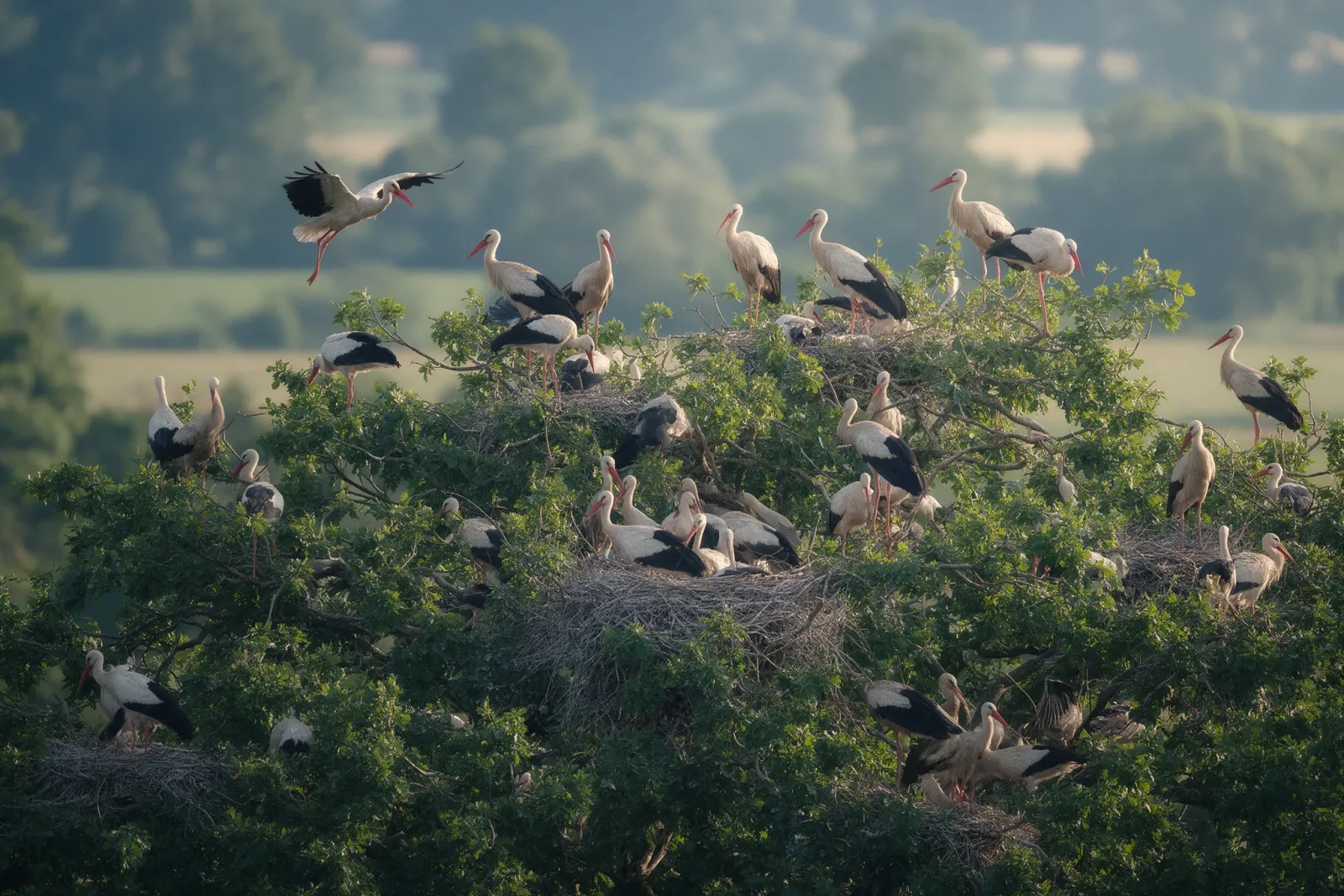
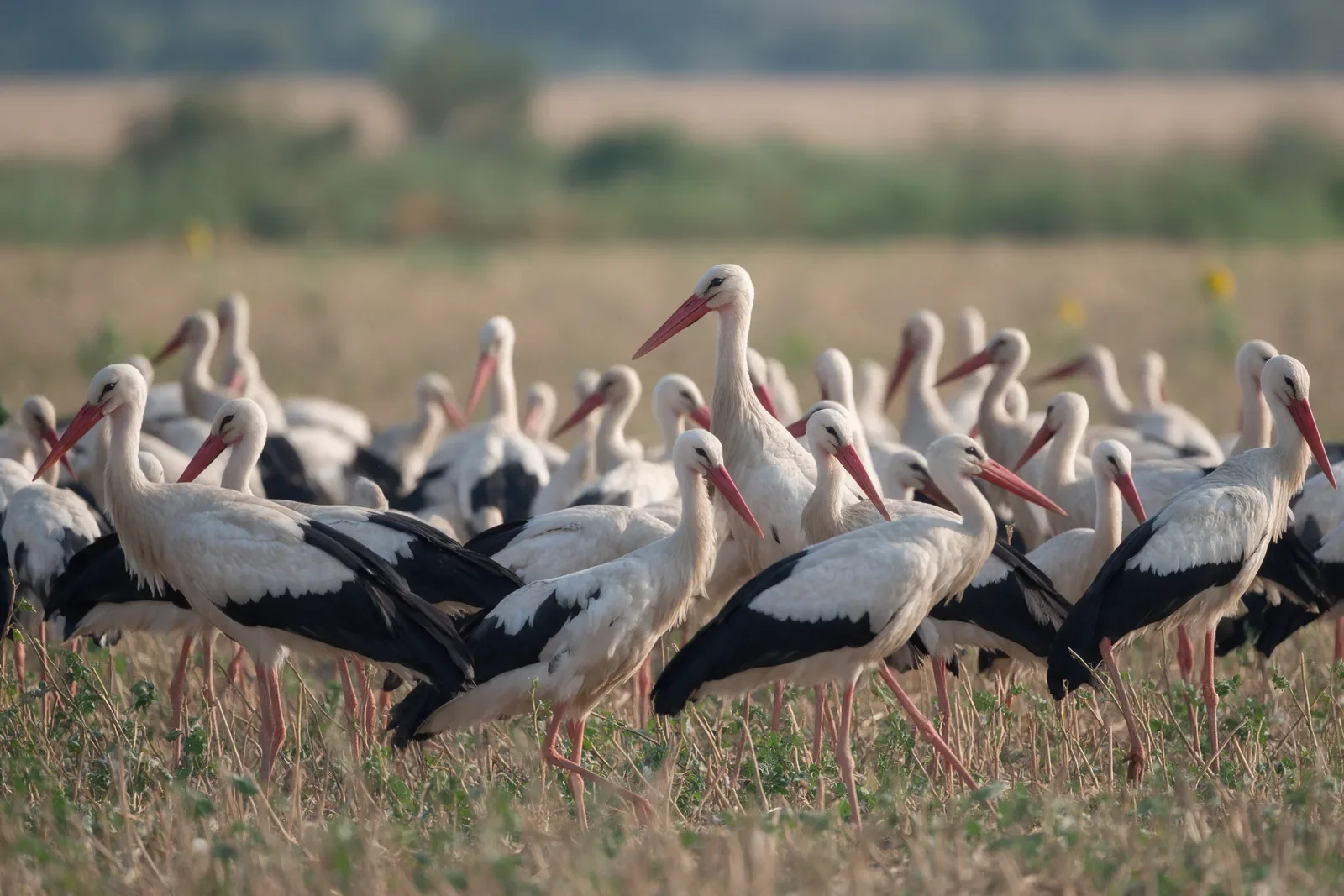
There is a moment, somewhere in that stretch of weeks, when the return becomes visible everywhere at once. One stork becomes five, five become twenty, and soon the nests along the river are occupied again and the sky over the fields is threaded with white wings. For anyone who has been asking when the storks come back, this is the answer, and it is written across the whole horizon. It was never a date. It was always a season, arriving in feathers.
Explore the gift