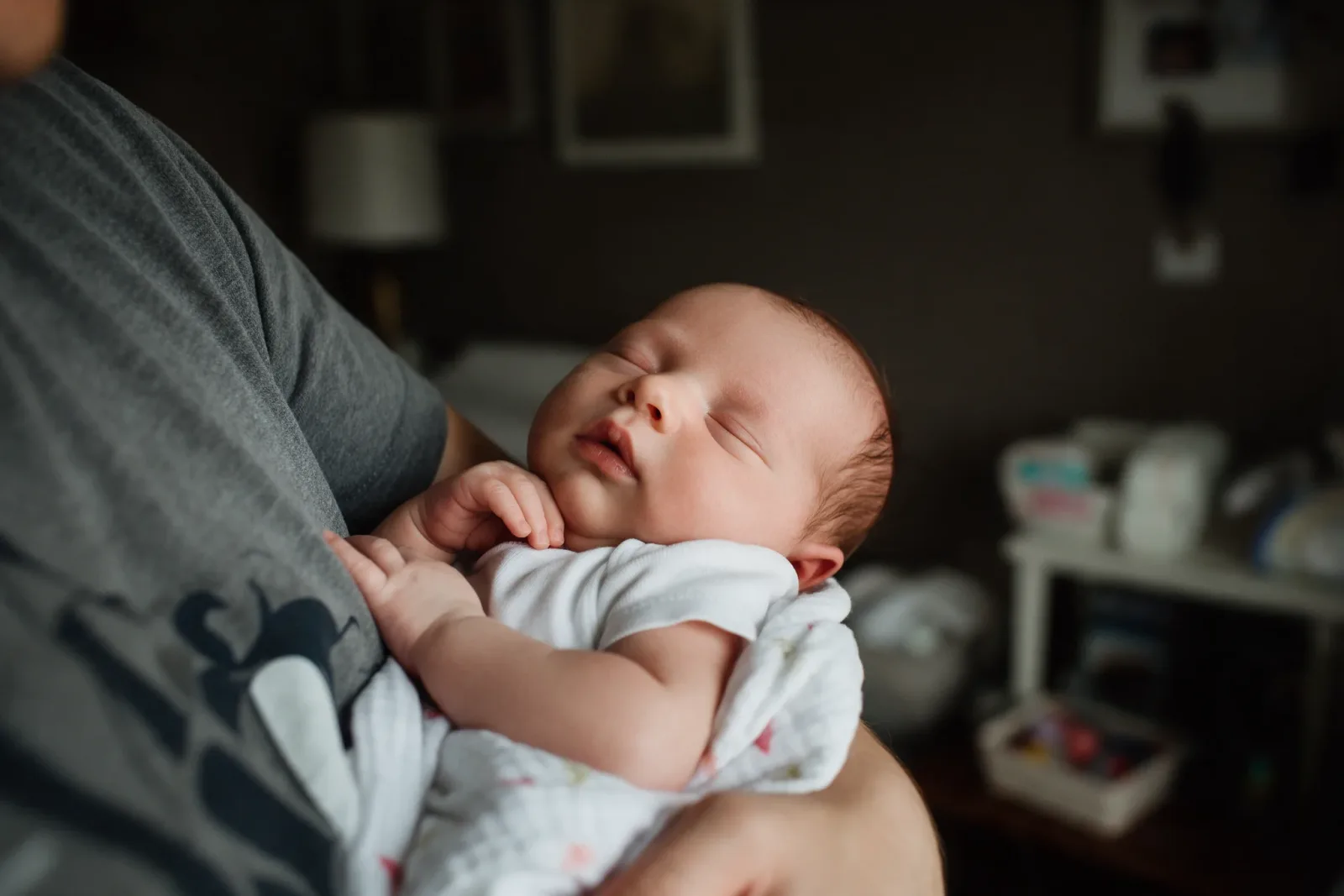
Every parent thinks, at least once, about the world their child will inherit. It is a heavy thought, and it comes most often in the quiet, when the baby is asleep and the news of the day is still turning somewhere in the back of the mind. A world for them to inherit is not an idle hope. It is the reason behind so many of the small choices we make.
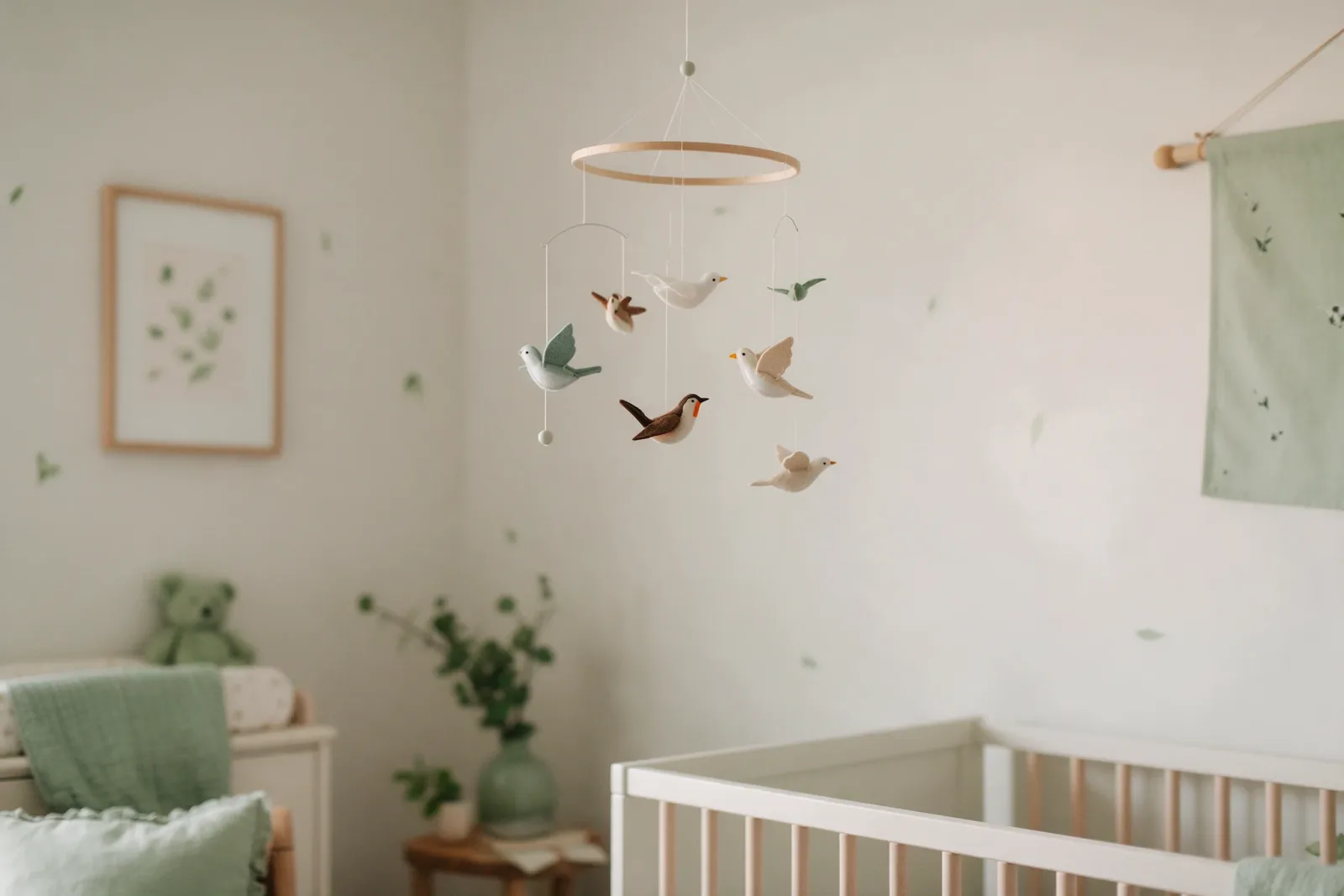
You cannot hand a child a perfect world. No one can. But you can hand them a world that is still full of the things worth looking up for. A sky with birds in it. A field with a stork standing in it. The sound of a wingbeat, or the clatter of a bill, or the sudden lift of a flock that has decided, all at once, to go.
Hope is a practical thing
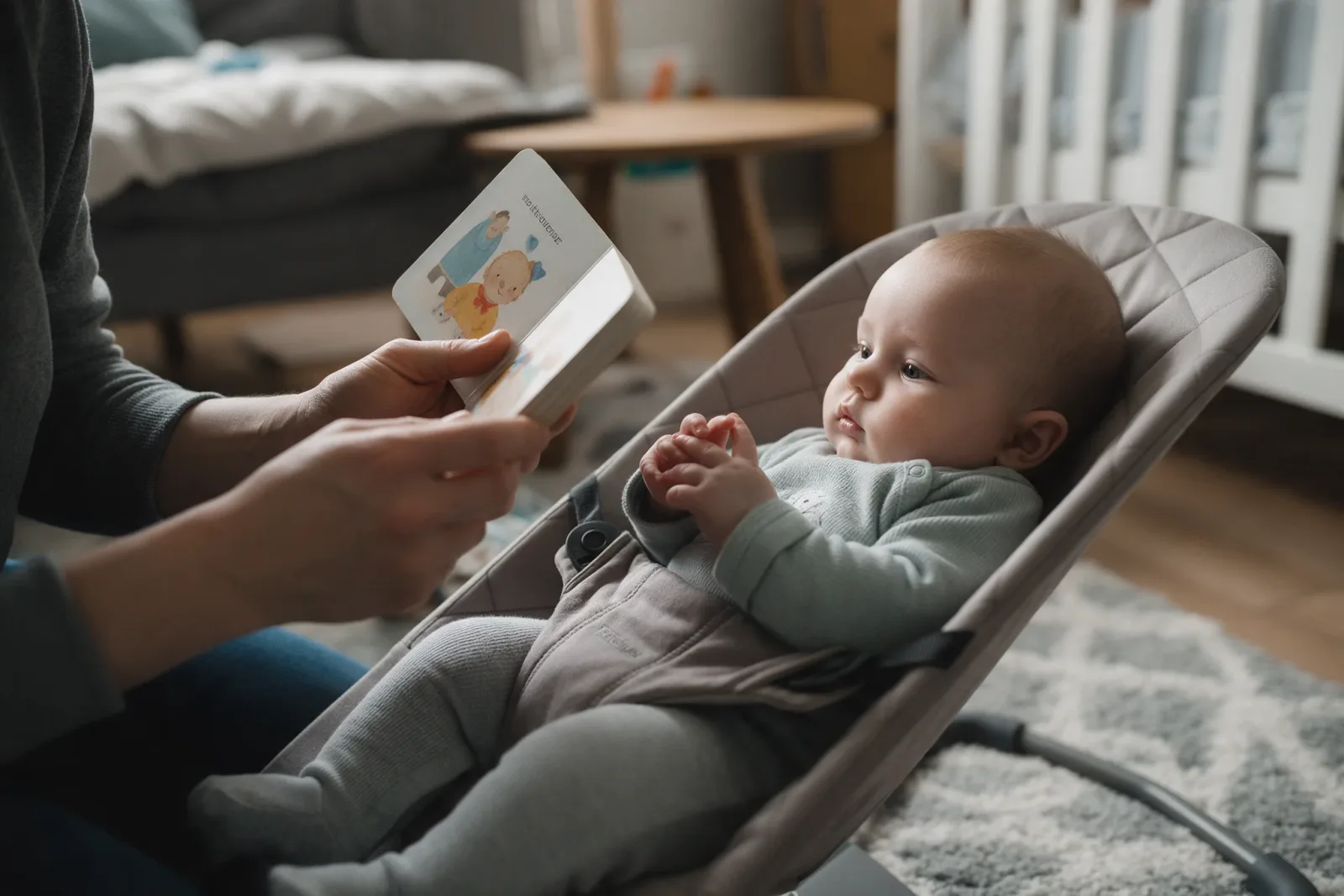
Hope for the next generation sounds soft, but it is quietly practical. It shows up as a window left open, a feeder kept full, a child lifted to see over a fence. It shows up as a parent who knows the names of a few birds and passes them on. Small acts of noticing are how a child learns that the world is worth protecting.
The stork is a promise
A white stork is a good thing to inherit. It has flown its routes for longer than any map, longer than any border, longer than any of the worries that fill the news. When a child watches a stork and learns its name, the child is learning that some things have lasted, and that what has lasted can be kept lasting.
The bird's journey is a kind of proof. It crosses the sea each autumn and returns each spring, and it has done so for longer than anyone has been counting. That continuity, older than memory, is a quiet reassurance in a world that can feel as though everything is changing too fast.
We protect what we notice
Children protect what they have learned to notice. A child who grows up following a stork, who has waited for it in spring and wondered after it in winter, will not easily forget that the bird matters. That early noticing is the seed of care, and care is the seed of everything that comes after.
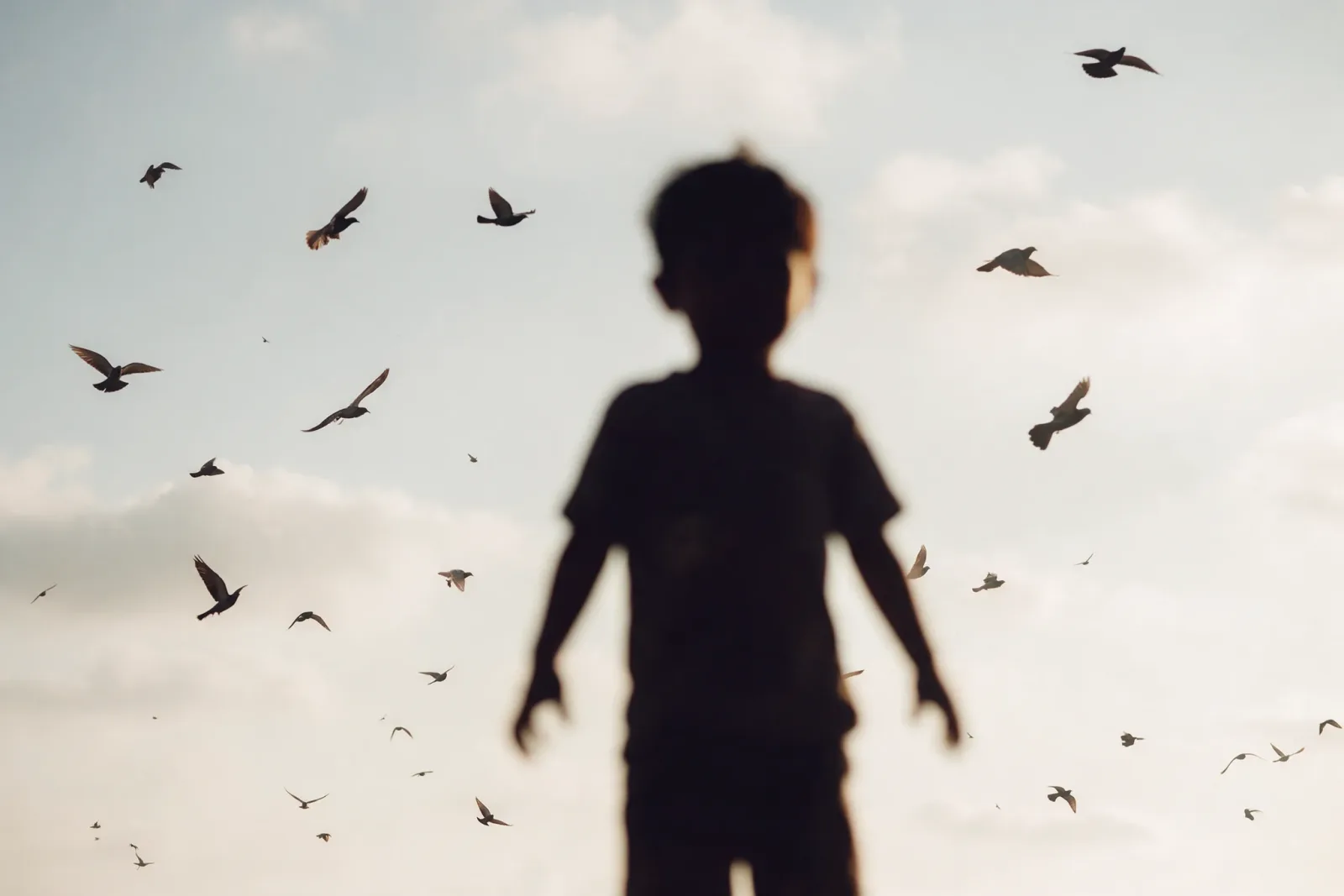
Leave them the sky, at least
The world we leave will be imperfect. But if we can leave the children a sky with birds in it, a season with a return in it, a map with a living line on it, we will have left them something that cannot be bought back once it is gone. That is the inheritance that matters most.
You do not have to fix the whole world before you hand it over. The child is not waiting for a perfect earth. It is waiting for a parent who will show it what is worth caring about. The sky, the birds, the field at the end of the road: point to them, and the child will learn to love them, and love is where protection begins.
There is a particular tenderness in giving a child a bird to follow, because a bird teaches the long view. It does not live for a season. It lives for years, and it travels, and it comes back. A child who learns to wait for a stork is learning to think beyond its own lifetime, which is the first step toward stewardship.
We cannot know what the children will find when they finally look up. We can only make sure there is still something there to see. Leave them the stork, the sky, the returning spring. That is a whole inheritance, and it fits in a single glance.
The hope is not naive. It is the most practical thing there is, because it is the only thing that moves people to protect what they love. A parent who hopes is a parent who acts, a little at a time, one window, one feeder, one bird at a time. That is how a world gets handed down.
When your child finally looks up, on some ordinary afternoon, let there be a bird there to meet the gaze. That is the whole of the hope, and it is enough.
Explore the gift