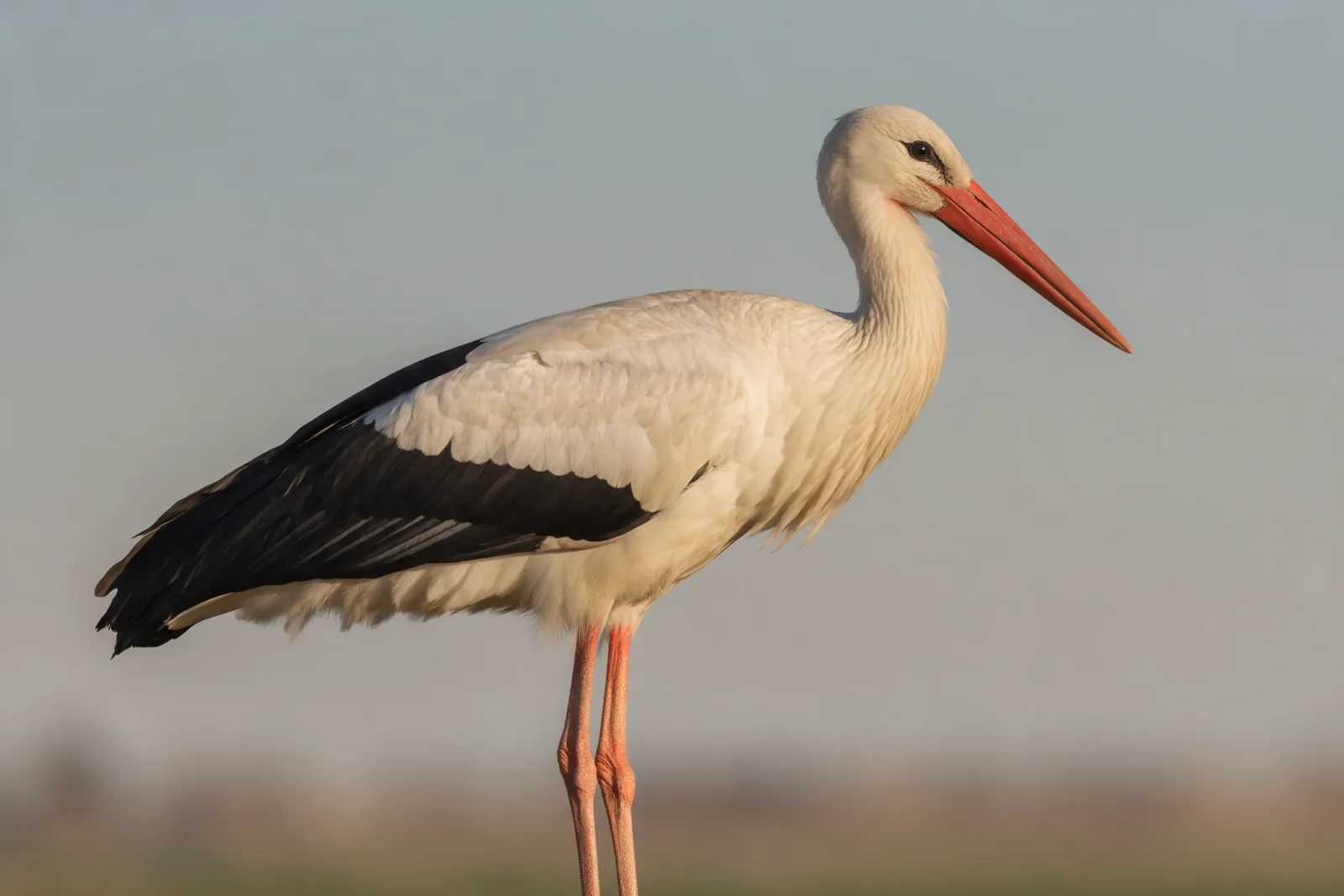
Are white storks endangered? The honest answer is more hopeful than many people expect, and more complicated than a single word can hold. The white stork, Ciconia ciconia, has climbed back from a steep decline through much of the twentieth century. Across wide parts of Europe it is now a common and even familiar bird again. But a comeback is not the same as a guarantee, and the danger has not gone away. It has only changed shape.
A recovery that is real
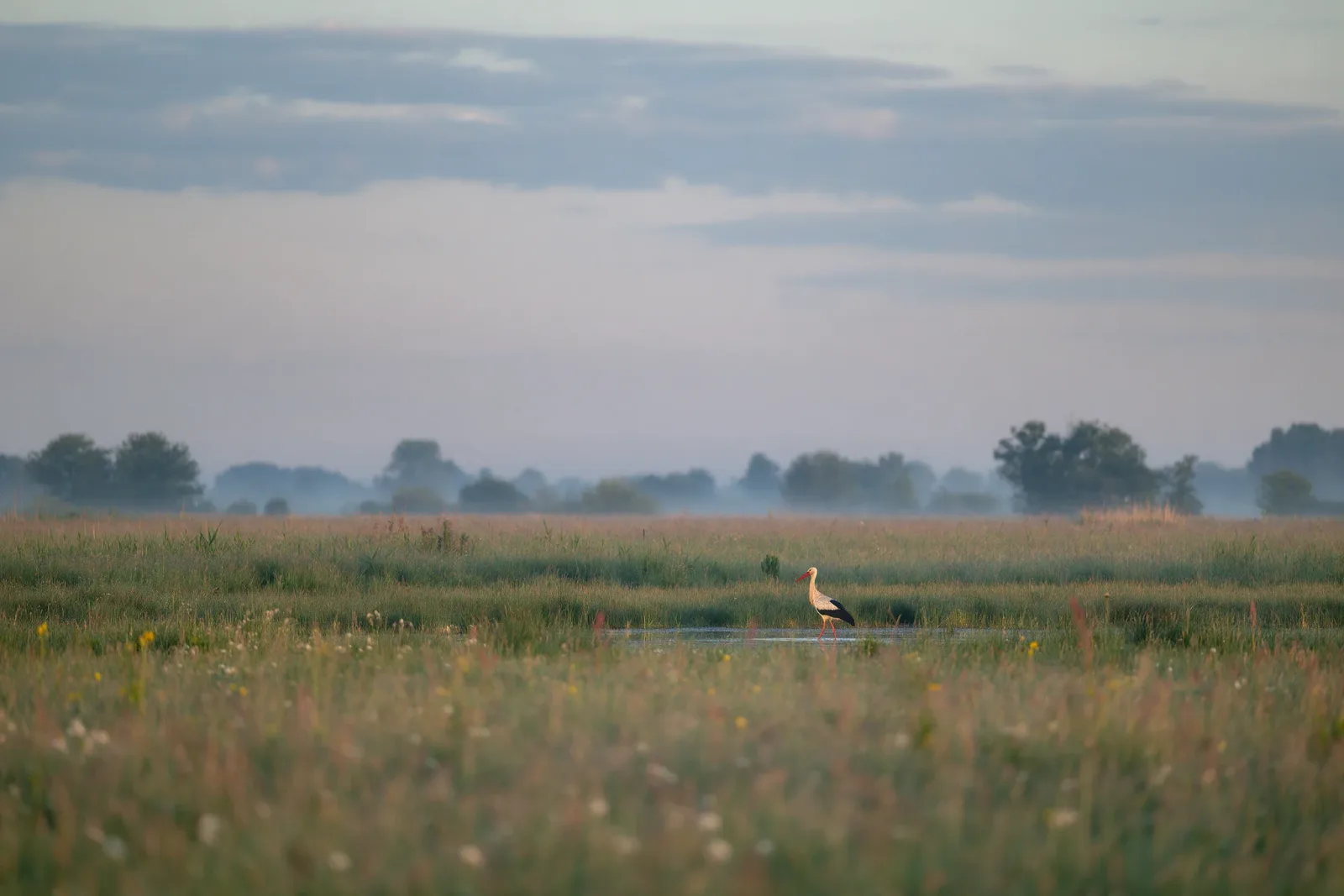
The recovery is genuine. Where wetlands have been protected and reintroduction programmes have returned young birds to old haunts, storks have done what storks do: they have bred, and returned, and spread. In many regions the species is no longer considered at risk, and its numbers have been rising for years.
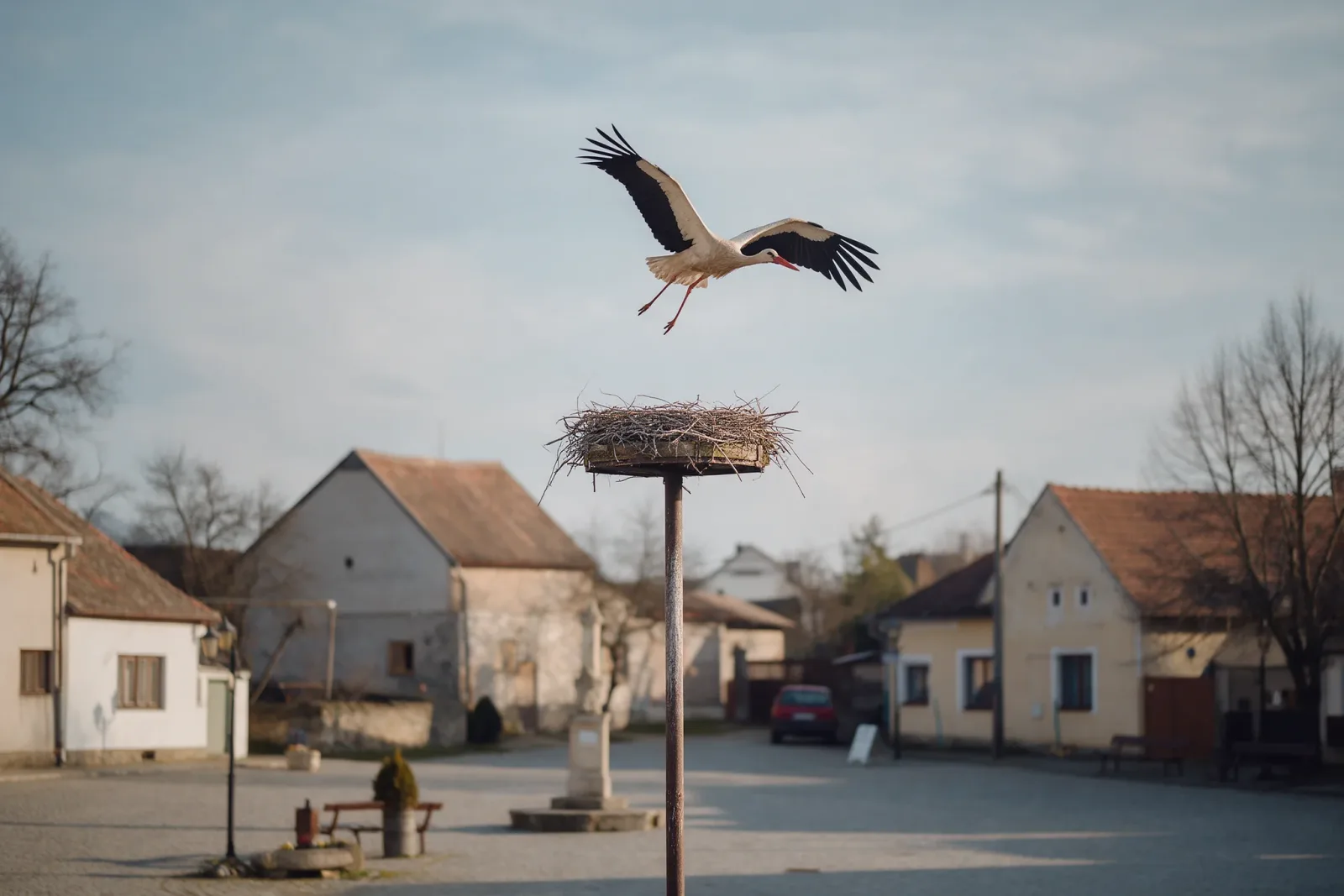
That matters. It is proof that protection works, and that a bird can be brought back from the brink without being trapped in a zoo or a cage. The stork recovered in the open air, on the rooftops and in the marshes, which is exactly where it belongs.
Where the danger still lingers
The comfort should not be complete, because the threats that nearly undid the stork are still present. Power lines still cut across migration corridors, and collisions remain a steady drain on the population. Pesticides still wash into the wet places where storks feed. Wetlands still disappear each year, converted to farmland or built over, and each one lost is a feeding ground gone for good.
The places storks depend on are not only in Europe. A white stork spends a large part of its year far south, in sub-Saharan Africa, and what happens there decides whether it returns at all. Drought, hunting, and habitat loss on the wintering grounds all shape the spring. A bird can be perfectly protected in its nest village and still perish a thousand miles away.
A status that is shared
Perhaps the truest way to describe the white stork is that its safety is not its own. The bird is endangered wherever the flyway is damaged, and it is secure wherever the flyway is protected. Its status is written across a whole chain of countries, seasons, and choices, which is why a single map or a single number can never quite capture it.
The white stork is a reminder that no conservation victory is permanent. It has to be held, year after year, with the same patience that built it. The bird came back because people kept the water, kept the nests safe, and kept watching. It will stay only as long as that watching continues.
Explore the gift