The idea that storks mate for life is one of those lovely half-truths the natural world keeps handing us. The real answer to the question is warmer than a simple yes, and more forgiving too. White storks are loyal, but their loyalty is a tendency, not a vow.
Most pairs do stay together across many seasons. A male and female that breed well one spring will meet again at the same nest the next, and the next, and the next. But life intervenes. Birds die, migrations go wrong, and a stork left alone will take a new partner the following spring without a moment of regret.
Loyalty to a place
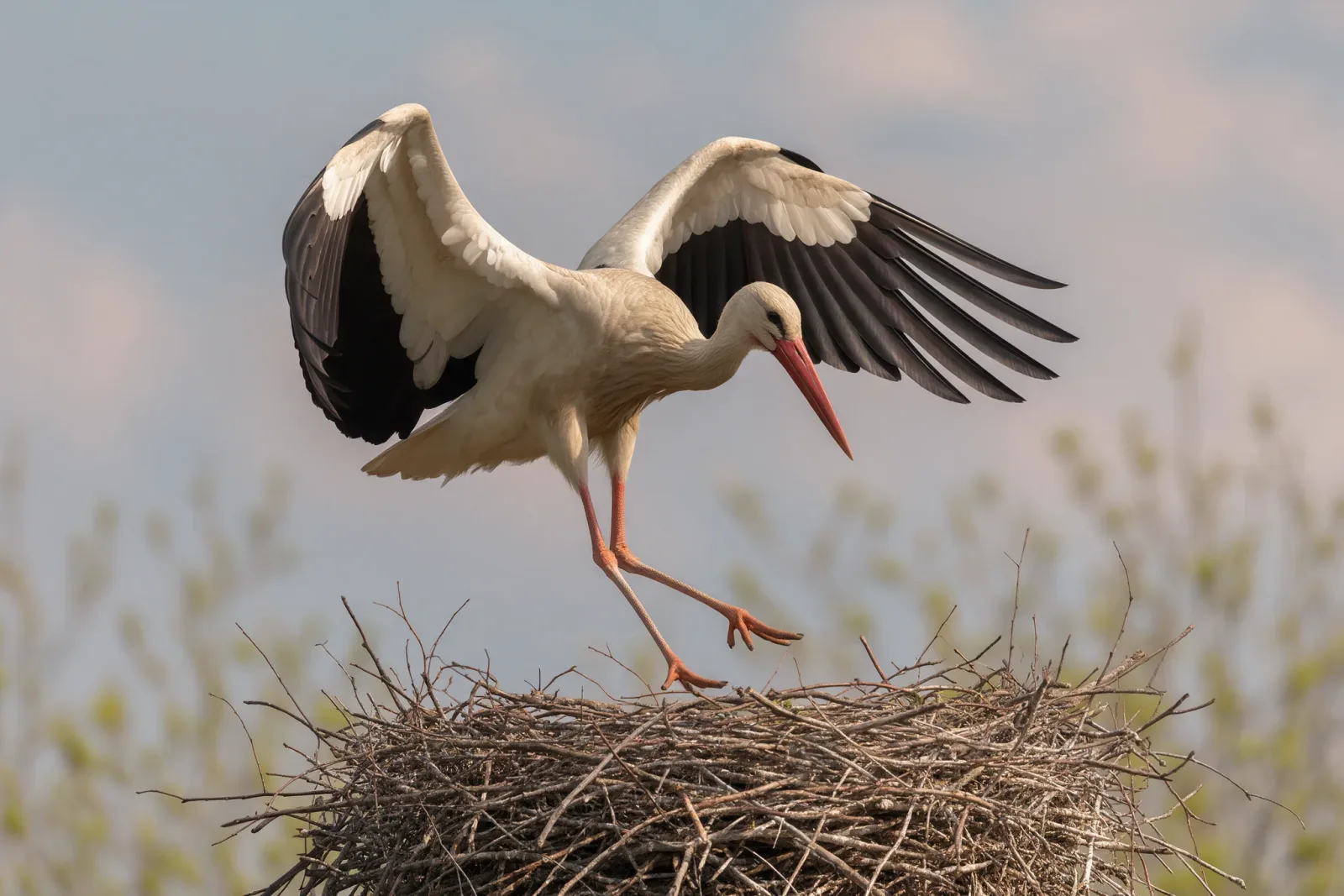
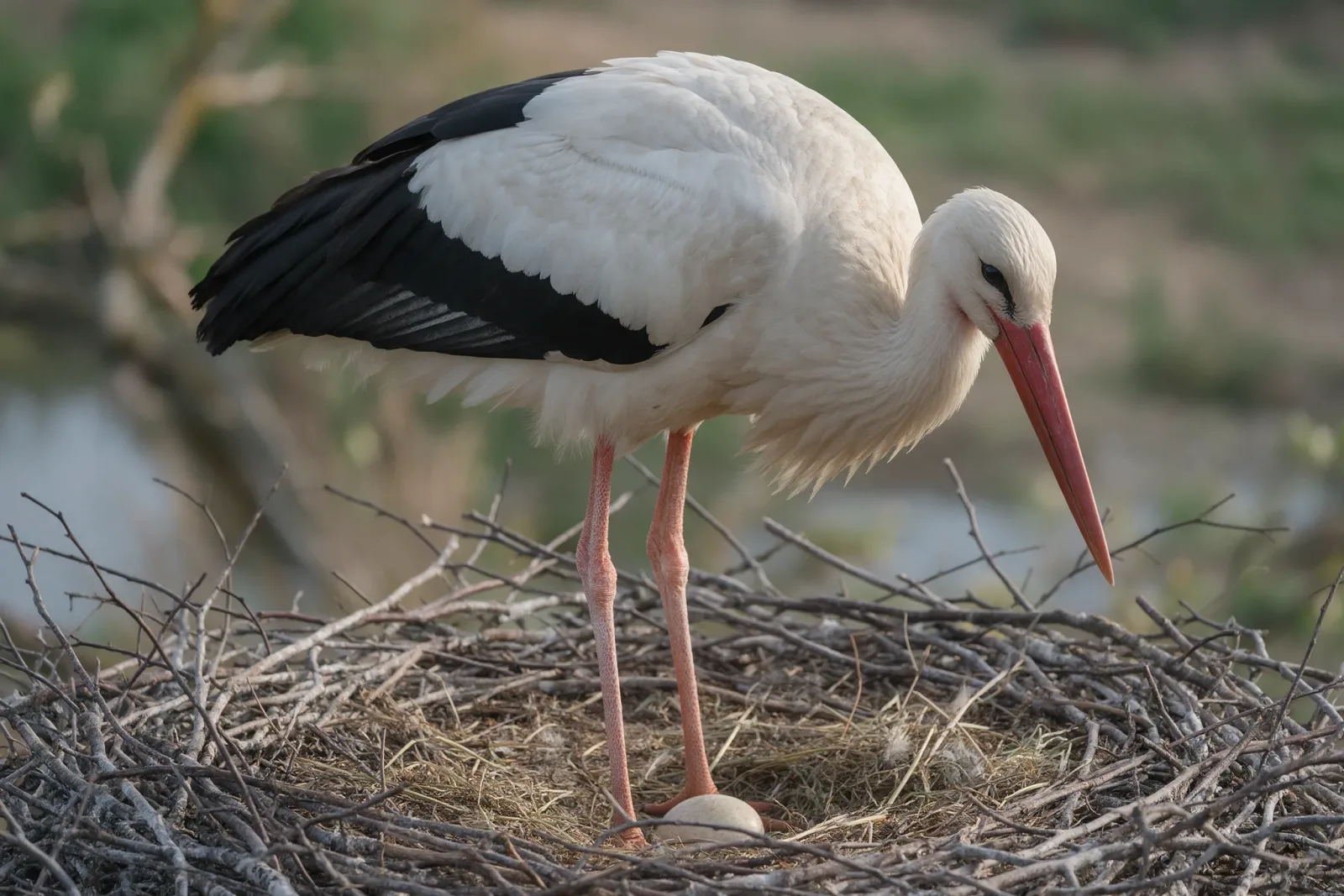
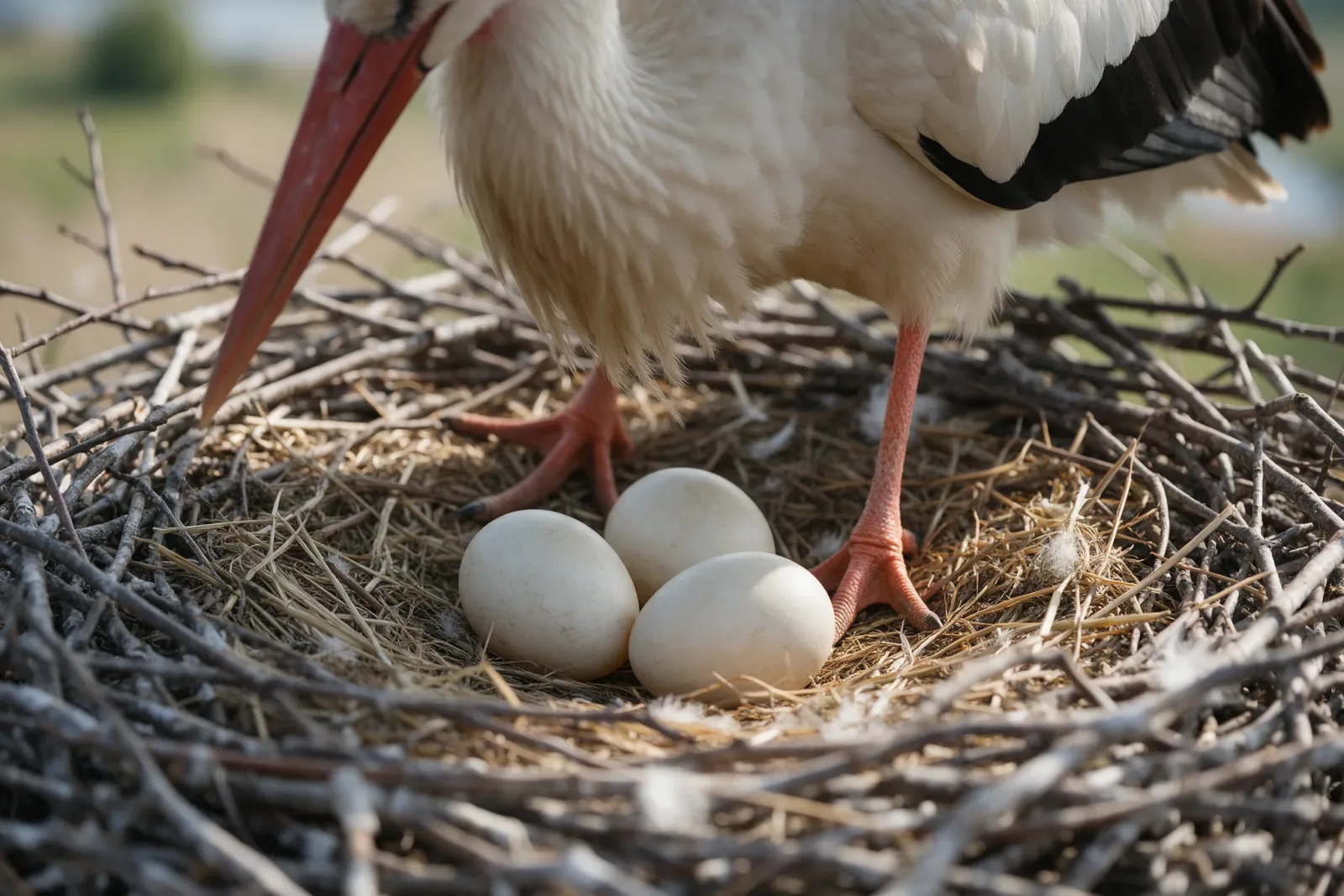
Part of what looks like devotion is really devotion to a place. White storks are faithful to their nests, and the nest is where the pair returns. Two birds that find each other again at the same chimney are keeping two promises at once, one to each other and one to the roof.
This is why the legend took hold. People watched the same pair return to the same nest year after year and read it as a marriage. In truth, the nest holds the pair together as much as the pair holds the nest.
The meeting each spring
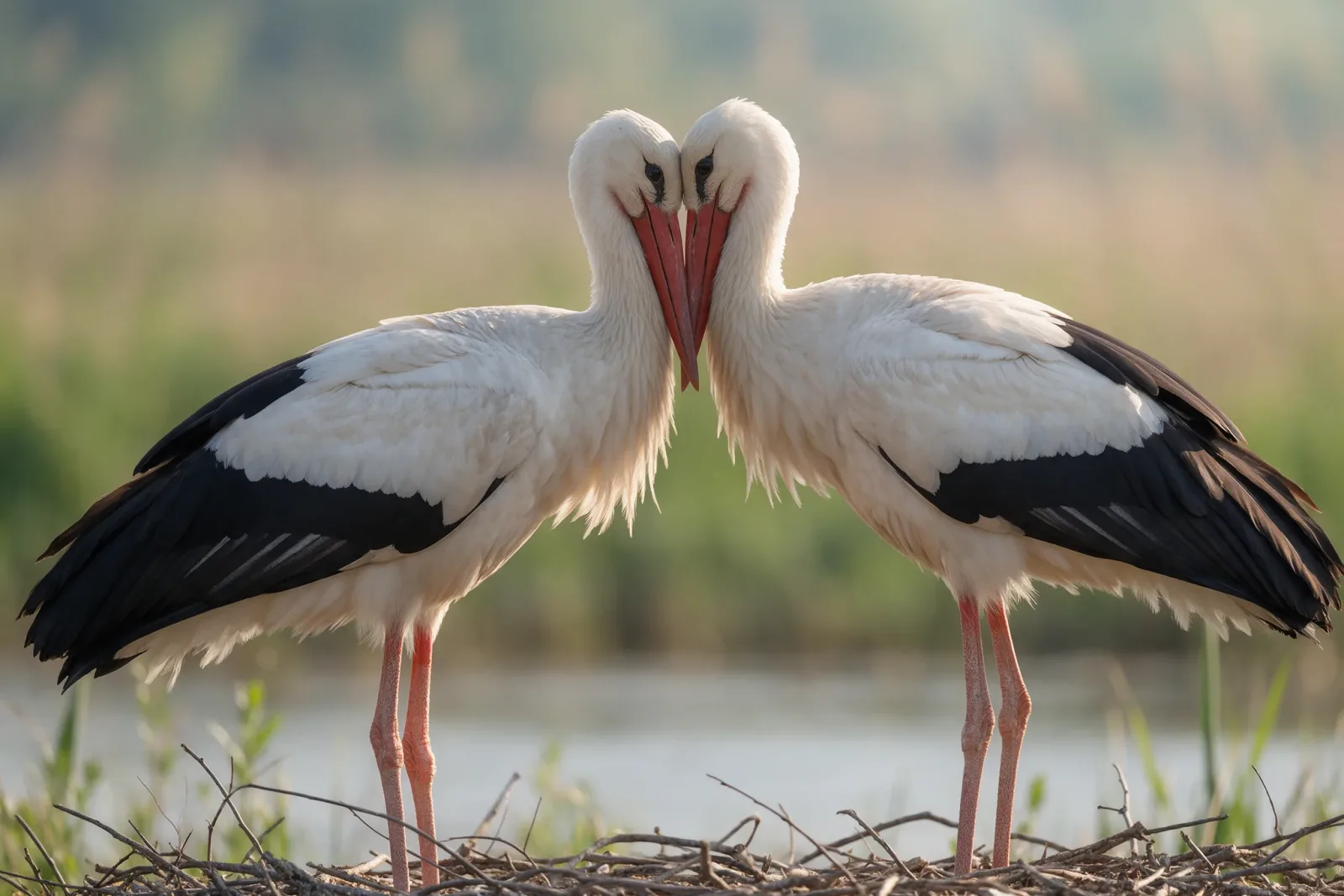
When the two birds reunite, the greeting is unmistakable. They throw their heads back and clatter their bills together, a long, rapid rattle that sounds like nothing else in the village. It is a sound of recognition and of claim, the pair announcing to the world that the nest is taken.
The female often arrives a little after the male, and for a few days the two work side by side, mending the nest and settling back into the rhythm of the season. There is no courtship in the human sense, only a comfortable resumption of an old arrangement.
Second chances
But the arrangement can break. If one bird does not return, the other does not mourn for long. It waits, then accepts a new mate, and the nest goes on. This is not coldness. It is necessity. A nest must be held, and a season cannot be wasted on grief.
In this the storks are honest with us. They mate for life as often as life allows, and when life does not allow it, they begin again. That is perhaps the truer and more useful lesson, that loyalty is good but not sacred, and that second chances are built into the world.
What this means
So do storks mate for life? They tend to. They stay with a good partner as long as both are alive and the nest is safe. But they do not make promises they cannot keep, and they do not let sorrow cost them a spring.
The truth is gentler than the legend and no less lovely. Two birds, one nest, many years together, and when the time comes, the grace to begin again.
Explore the gift