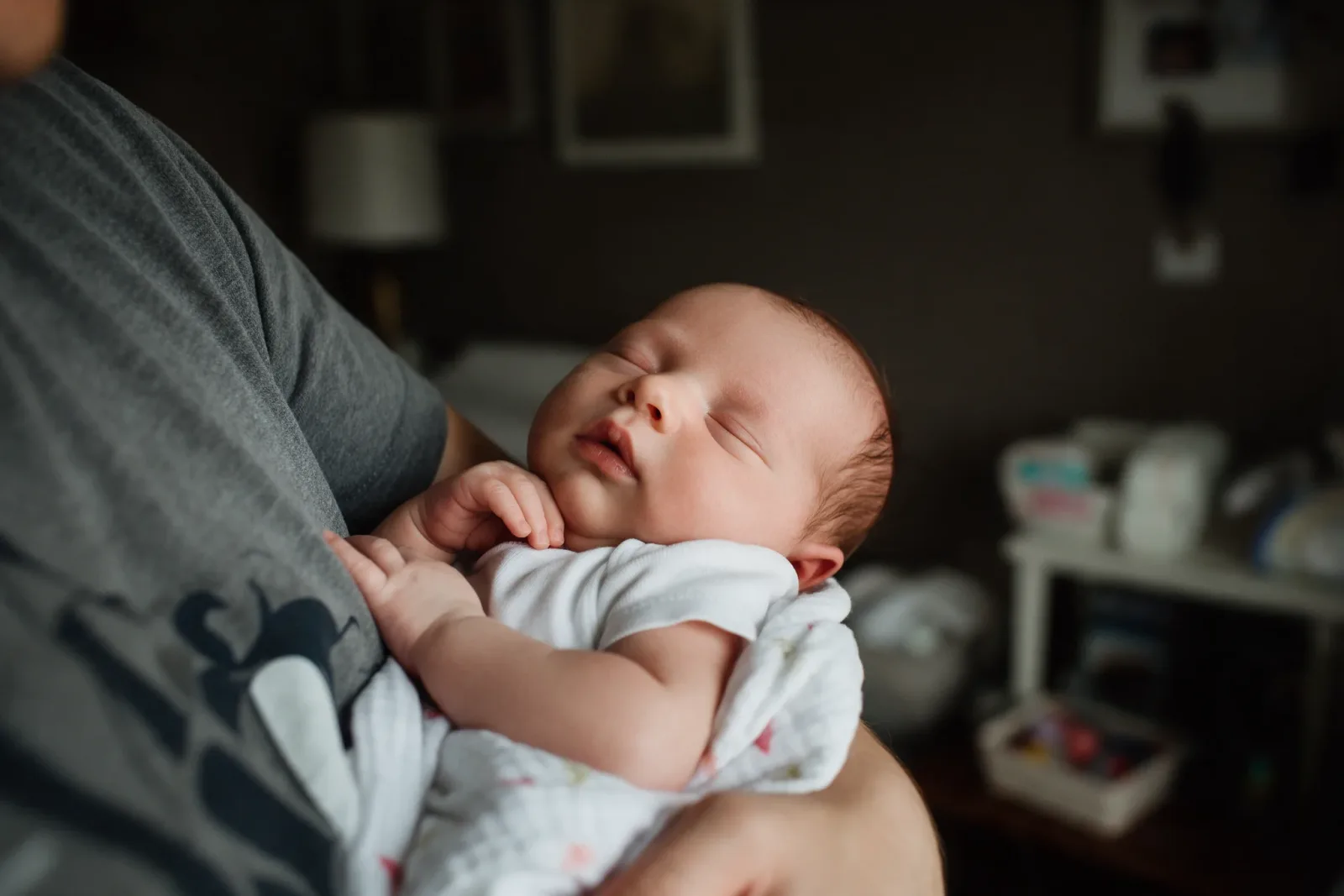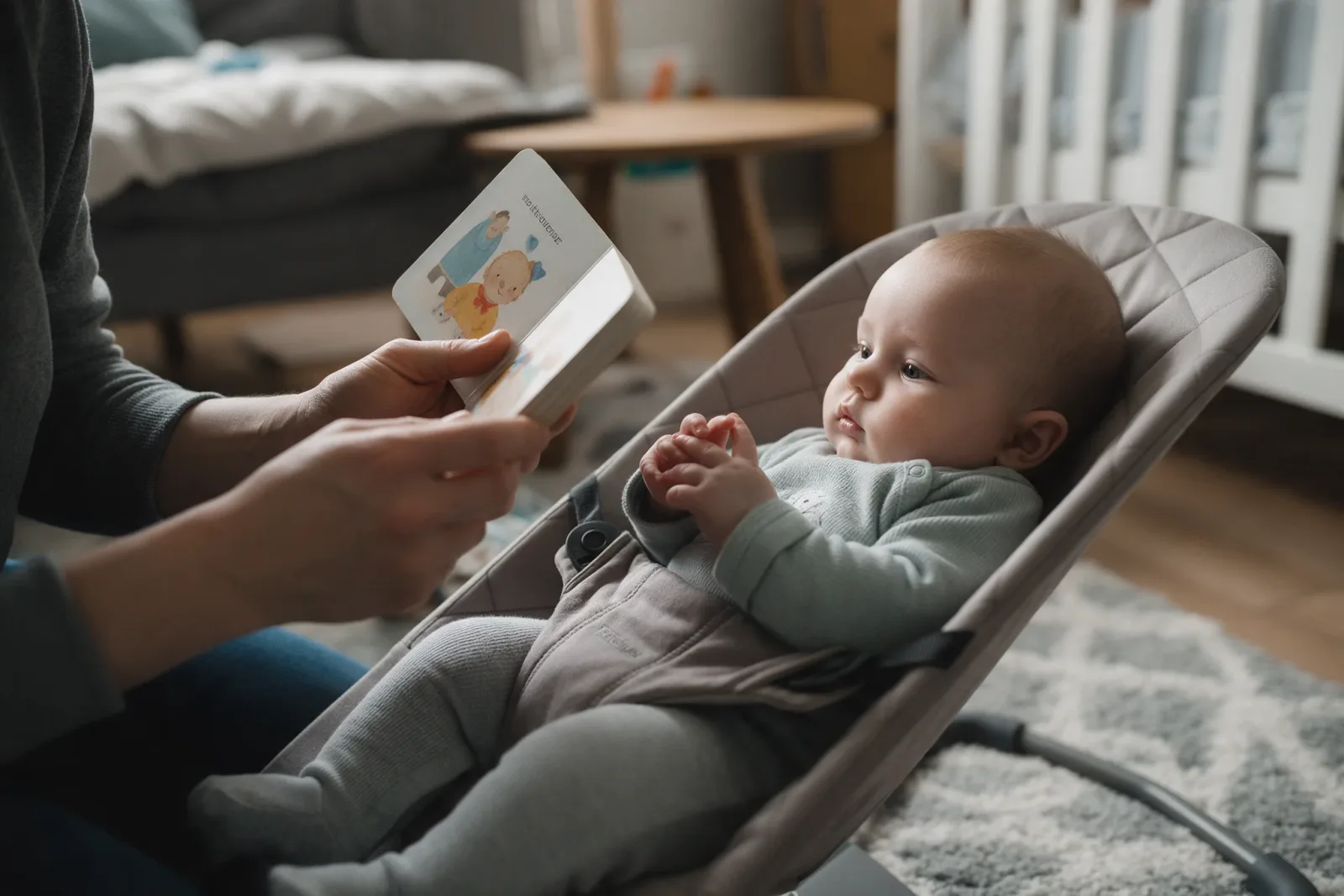
Curiosity is not something you teach. It is something you protect. A baby arrives already curious, already leaning toward the world with an open face and reaching hands. Growing curiosity is less about adding anything and more about not getting in the way of what is already there.
The first questions do not sound like questions. They sound like a long stare at a ceiling, a hand that grabs at a beam of light, a head that turns toward a sound. Every one of these is a form of the same thing: what is that, and what does it do, and is there more of it. Your job is to notice and to make room.
Answer with your attention
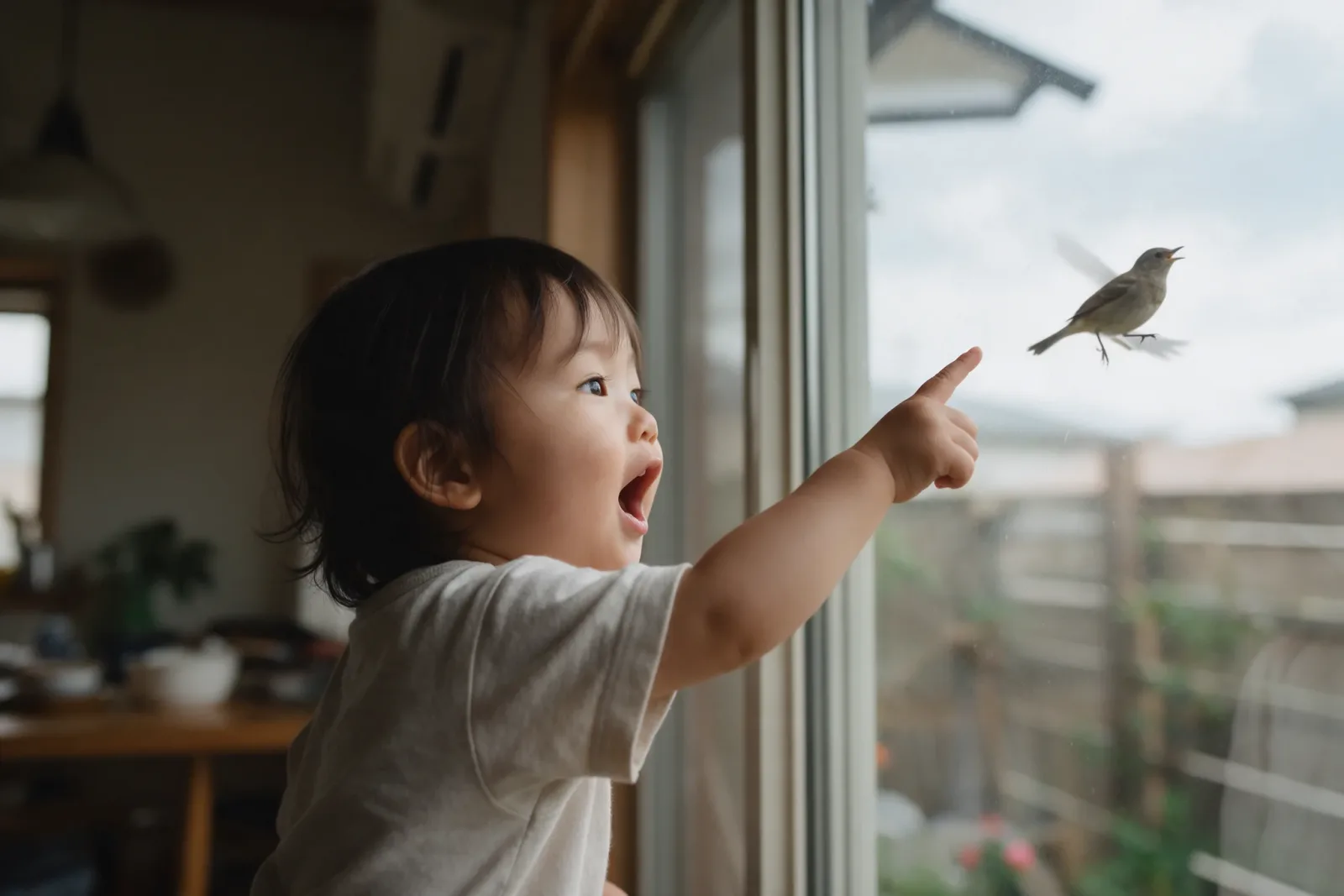
A baby does not need a lecture. It needs an adult who pauses, looks at the same thing, and takes it seriously. When your child stares at a bird outside the window, stop and look too. When a toddler points and makes a sound, kneel down and look along the line of the finger. Attention is the first and best answer you can give.
The bird that keeps answering
This is where a stork earns its keep. A stork is a curiosity that never runs out. It flies away and comes back. It changes with the seasons. It has a name and a journey and a place on a map. Every time a child asks about the stork, there is a real answer waiting, and behind that answer another question, and behind that one a whole sky.
Most toys answer themselves once and then they are finished. A living bird never finishes answering, which is why the child keeps coming back to it. That is the difference between a thing that entertains and a thing that grows a mind.
Let the questions be slow
You do not need to have all the answers, and you do not need to give them all at once. A good question can sit in the air for a while. Where is the stork now? Let the child wonder with you. Wonder is not a gap to be filled. It is a place to stand together and look out.
Nourish the small flames
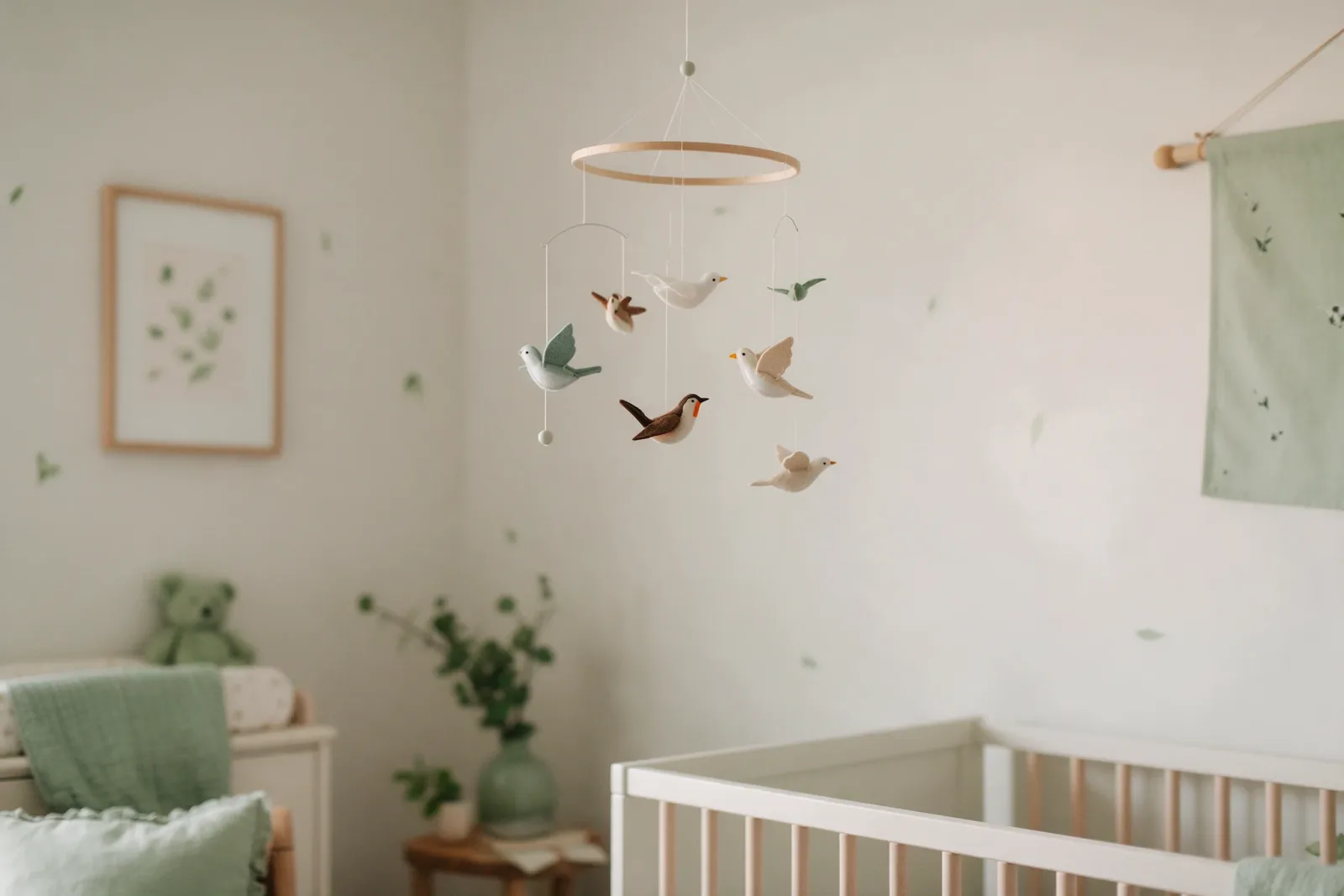
Notice what your child keeps coming back to, and put more of it in reach. A child who loves the bird on the wall may love a book about birds, a walk to see a nest, a window feeder, a pair of binoculars that are too big but somehow right. You are not pushing. You are feeding a small flame, one twig at a time.
Curiosity needs room to make mistakes. A child who is corrected every time it points at the wrong bird will stop pointing. A child who is allowed to wonder, to guess, to be gently wrong and try again, will keep wondering all its life. Your patience is the soil, and the questions are the seed.
You can feed curiosity with the simplest things. A walk to the end of the street can supply a month of questions if you let it. Why is the sky that colour? Where does the bird go at night? You do not need a nature reserve or a field guide. You need only to be willing to wonder out loud.
The goal is not a child who knows facts. The goal is a child who is never bored, who can look at an ordinary sky and find it new. That child is built in the early years, one unanswered question at a time, by a parent who said, I do not know, let us find out together.
A curious child is a child who was never told to stop asking. You will be tempted, on tired days, to answer a question with a quick because I said so. Resist when you can. Every question you meet with warmth is an invitation to the next one, and the questions are how a child builds the world.
There will be questions you cannot answer, and that is a gift too. Saying I do not know, and meaning it, gives the child permission to not know either. Wonder lives in that shared not-knowing, and it is one of the best things you can share.
The day will come when the child asks a question you cannot answer, and that will be the best moment of all, because it means the curiosity has outgrown you, which is exactly what you were hoping for all along.
Explore the gift