Naming a baby is one of the first real decisions you make on behalf of another person. You weigh sounds, meanings, family echoes, the way a name will look written down. And then, with a strange kind of hope, you hand it over to a person who has not yet learned to say it. Naming a baby is an act of faith that a small word can hold a whole life.
There is a quieter ritual that runs alongside it. When a wild stork is tagged and studied, someone gives that bird a name too. A researcher in a field holds a young stork, fixes a small transmitter, and decides what to call the creature that will soon fly out over a continent.
A name is a way of caring
Both acts come from the same place. You name something because you have decided to pay attention to it. A name turns a baby, or a bird, from one of many into this one. Once a child has a name, the world can begin to gather around it. Once a stork has a name, its long journey becomes a story you can follow.
The sound matters more than the meaning
Parents often search for the perfect meaning behind a name, but the truth is that meaning arrives later. A name grows into its meaning the way a child grows into its name. The same is true for a stork. The name Andreja did not mean much until there was a particular bird carrying it across the sky, and then the name became inseparable from that bird and that route.
You will know the right name partly by how it feels to say it out loud. Roll it around in your mouth. Whisper it in the dark. Imagine calling it across a garden. A name is a thing you will live with for years, and its music matters more than its dictionary entry.
Names that welcome a child into a story
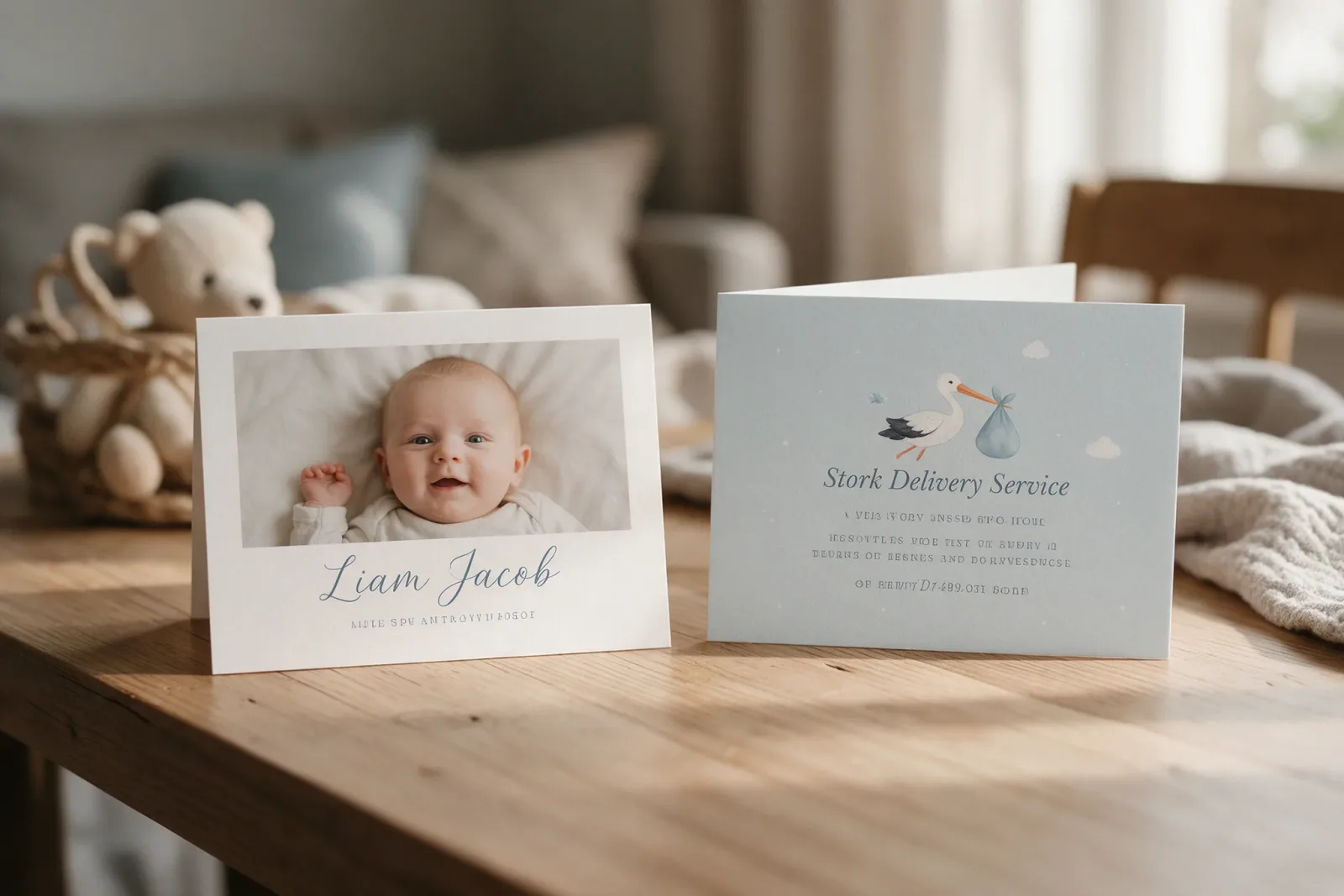
Some families give a newborn a stork's name as well, borrowing a wild bird's identity for a keepsake. Two names sit side by side on a shelf, one for the baby and one for a stork thousands of miles away. It is a gentle way of saying that the child belongs to the wider world, that its story is already connected to the wind and the seasons.
The name you will say most often
Think about the name as something you will speak aloud hundreds of times a day, often in the dark, often half asleep. The best name is not the most unusual or the most meaningful on paper. It is the one you can say with warmth at three in the morning, the one that softens in your mouth, the one that will one day be called across a playground and bring a small head turning.
The names we give do something else as well: they give us a place in the story. The person who names a thing is tied to it forever. When you name a baby, you become part of that child's story. When a researcher names a stork, that bird is no longer a data point. It is a particular life, and particulars are what we remember.
You may find that the name you finally choose is not the one you expected. Often the best names are the ones that simply settle, that stop feeling like a choice and start feeling like the truth. Trust that settling. It is the same quiet certainty a stork shows when it lands on the same roof it has always known.
Whatever you choose, remember that the name is only the beginning. The child will fill it, stretch it, make it their own. A name is a small vessel we give to a life, and the life returns it to us, years later, full.
There is no rush to decide, and the right name often arrives when you stop searching for it. Let it come from a place you love, a person you miss, a sound you keep returning to. A name with a small personal story behind it will mean more to your child, years from now, than any name chosen for a meaning on a list.
The day will come when the baby answers to its name, and the day will come when the stork flies home to its nest. In both cases the name is what makes the return feel like something you were waiting for.
Explore the gift