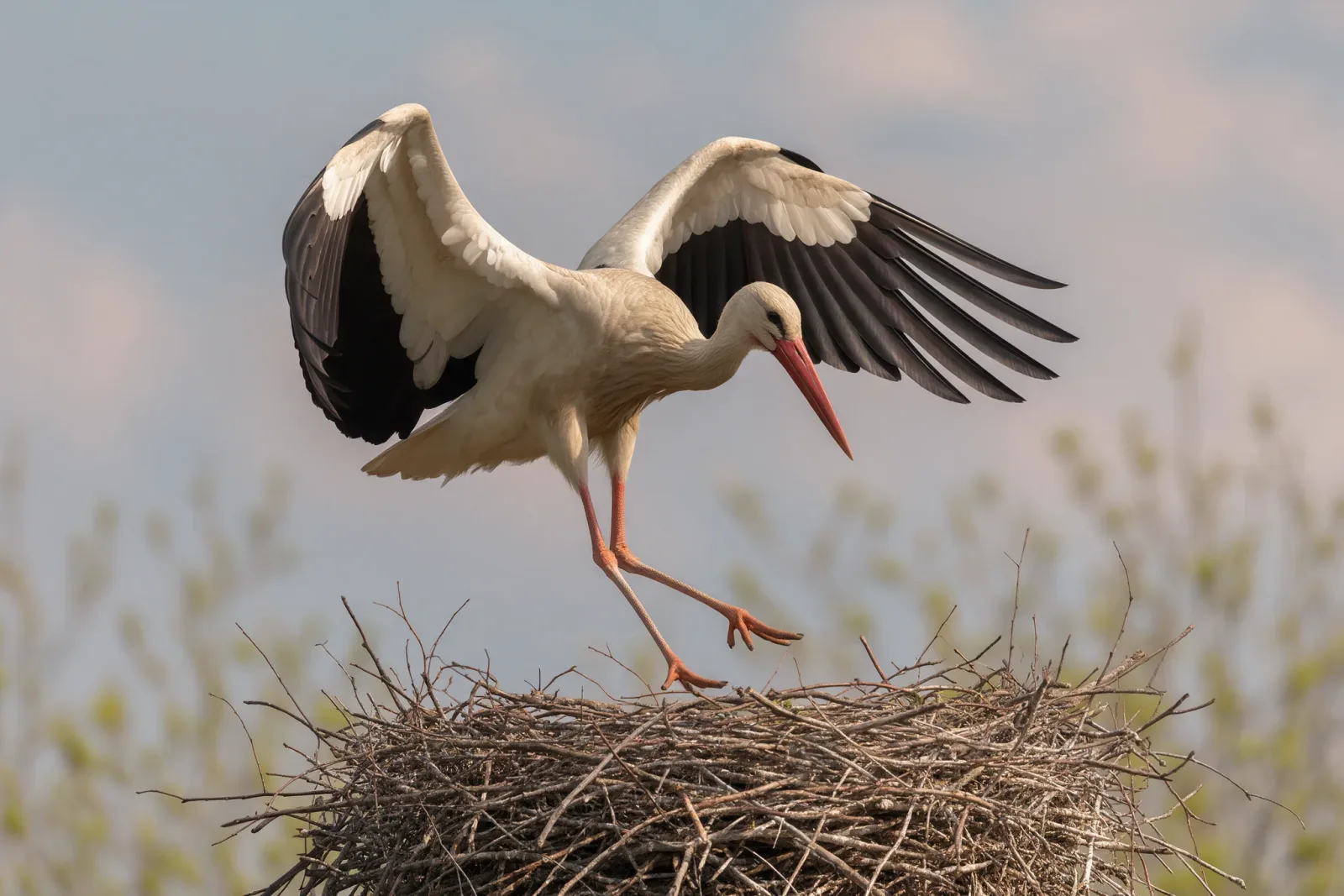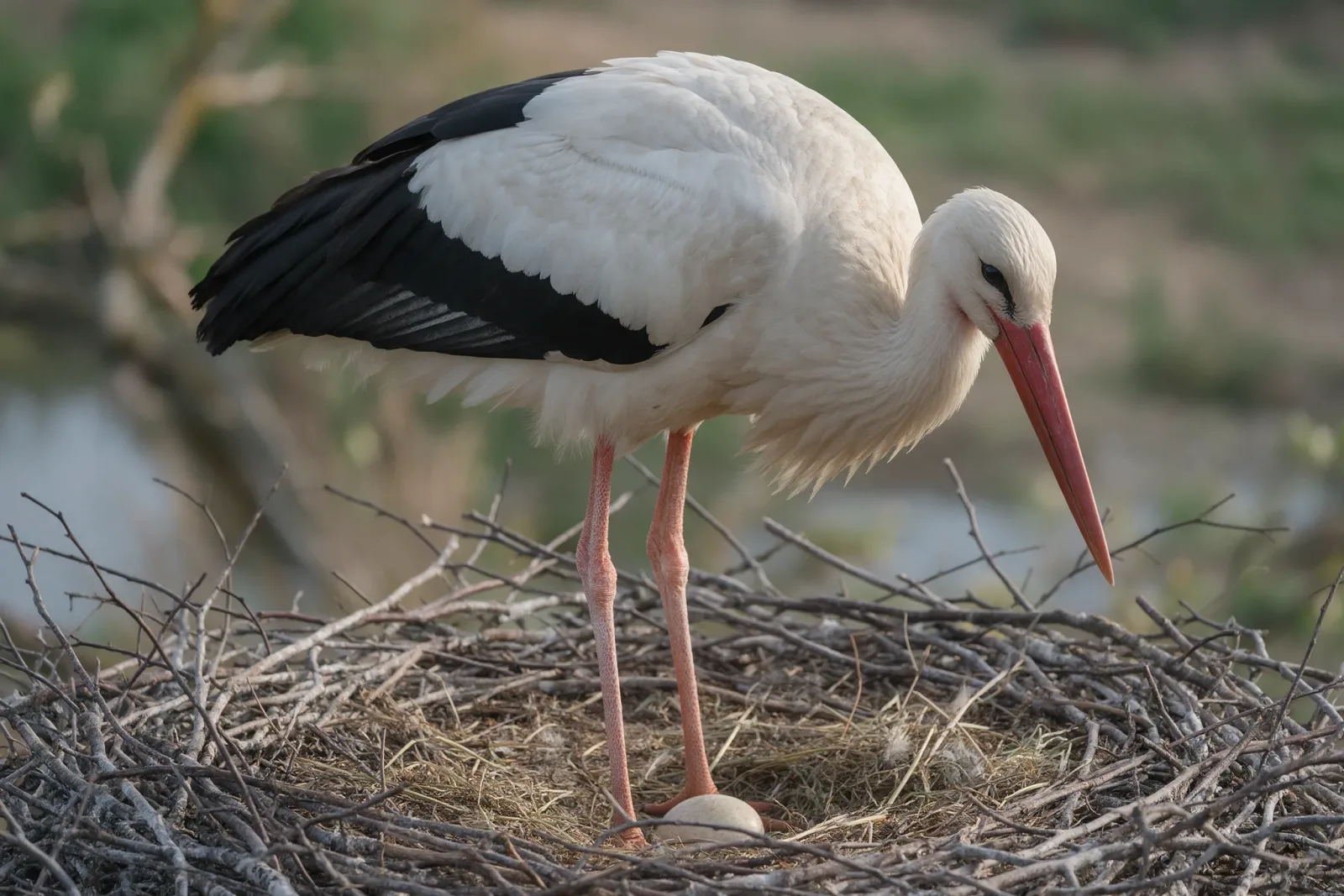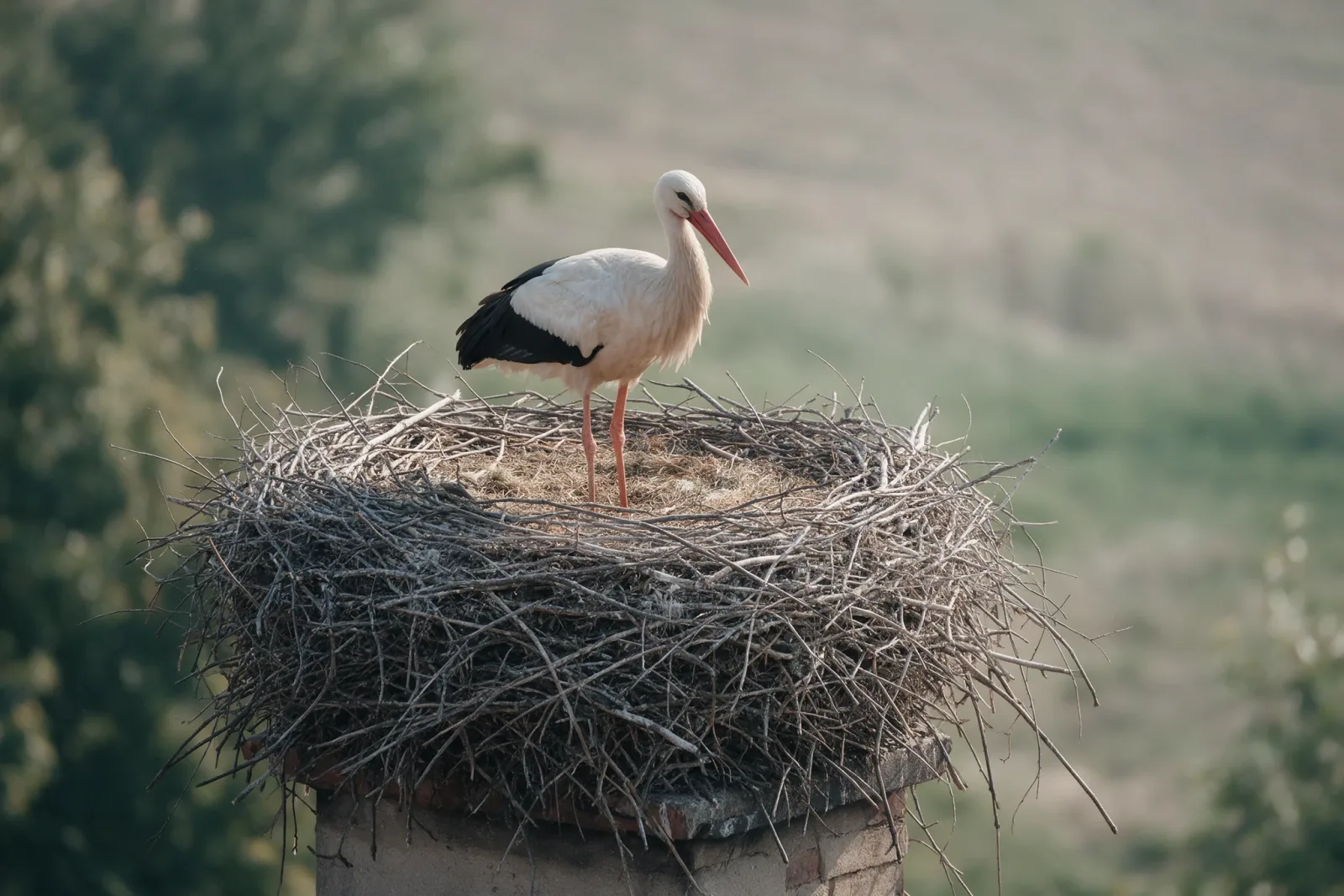
Some white stork nests are older than the people who live beneath them. They sit on chimneys and rooftops and purpose-built poles, and they have been there for decades, growing year by year until they look less like a bird's home than a small dark tower of sticks.
A stork nest never truly dies. It is used, repaired, added to, and passed on. A pair builds it, another pair inherits it, and each generation lays its own layer on top of the last. In this way a single nest can carry a century of stork history.
Built a little at a time
The secret of the old nests is simple: they are never finished. Each spring the returning pair adds sticks, and each addition makes the structure a little larger and a little heavier. A nest that begins as a modest platform can, over many years, grow into something weighing as much as a small car.
The weight is no problem for the bird. Stork nests are built on the strongest spots a landscape offers, solid roofs and stone chimneys and thick old trees, places that can bear a load that would crush most other nests.
Homes with history
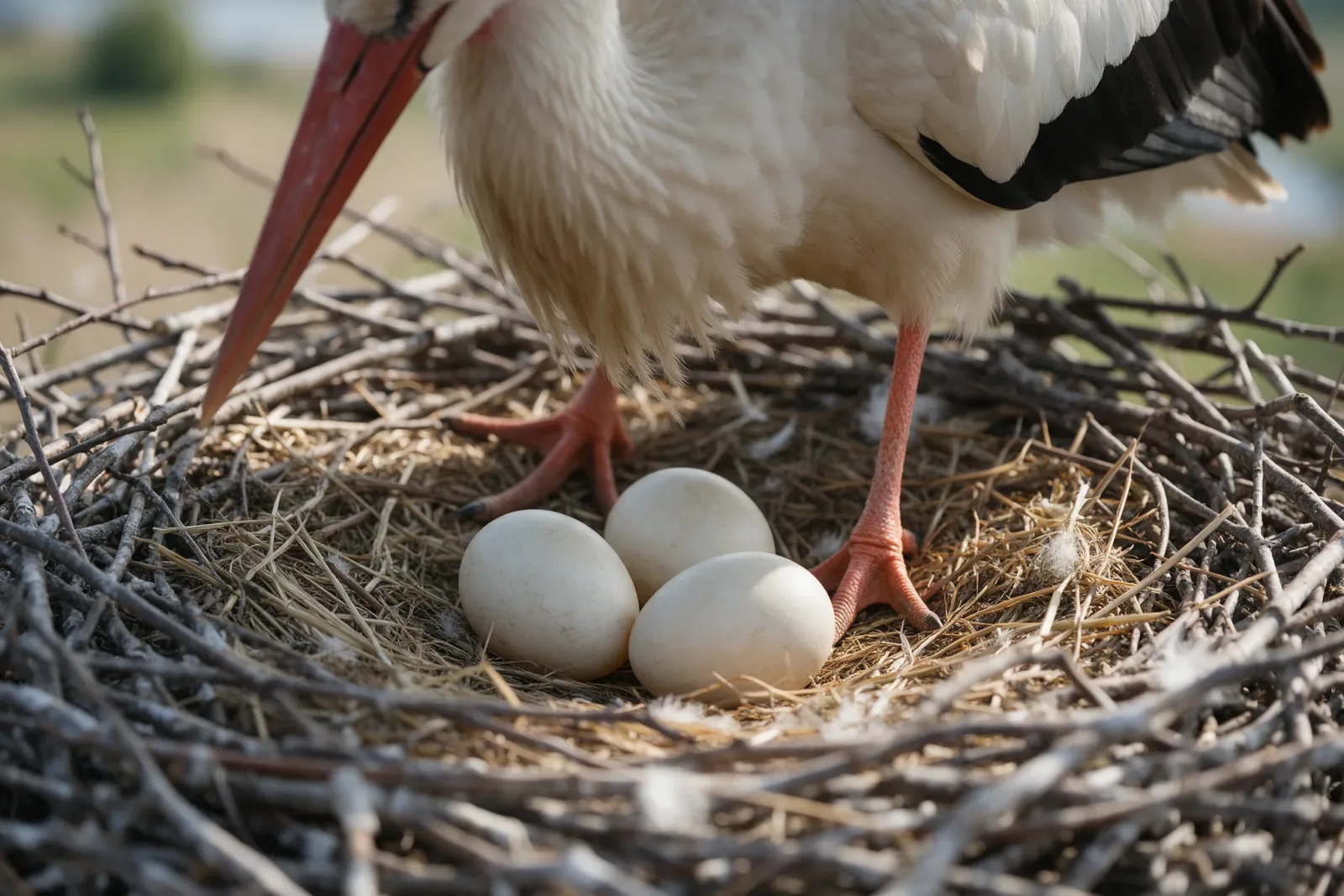
Because the nests are reused, they become archives. Buried inside the older layers are sticks gathered in springs long past, bits of twine and cloth from other decades, and the dust of many broods. The nest holds the weather of whole seasons, and the memory of every bird that ever stood on it.
This is why people grow attached to them. A family can watch the same nest for a lifetime, and a child can grow up beneath a nest that was there before their grandparents were born.
Who inherits a nest
Nests pass down through use more than through kinship. A young pair looking for a home will claim an empty nest, repair it, and make it theirs. If the previous owners do not return, the nest simply changes hands, and the new birds carry it forward.
Occasionally a nest becomes too heavy or too old and part of it falls. The birds rebuild, as they always do, and the slow accumulation begins again.
A living monument
So a stork nest that has lasted decades is more than a structure. It is a continuous thing, kept alive by the birds who return to it, a record of loyalty and repair and the stubborn persistence of wild life in a human landscape.
To stand beneath one is to stand inside a story that began long before any of us were here, and that will, with luck, continue long after.
Explore the gift