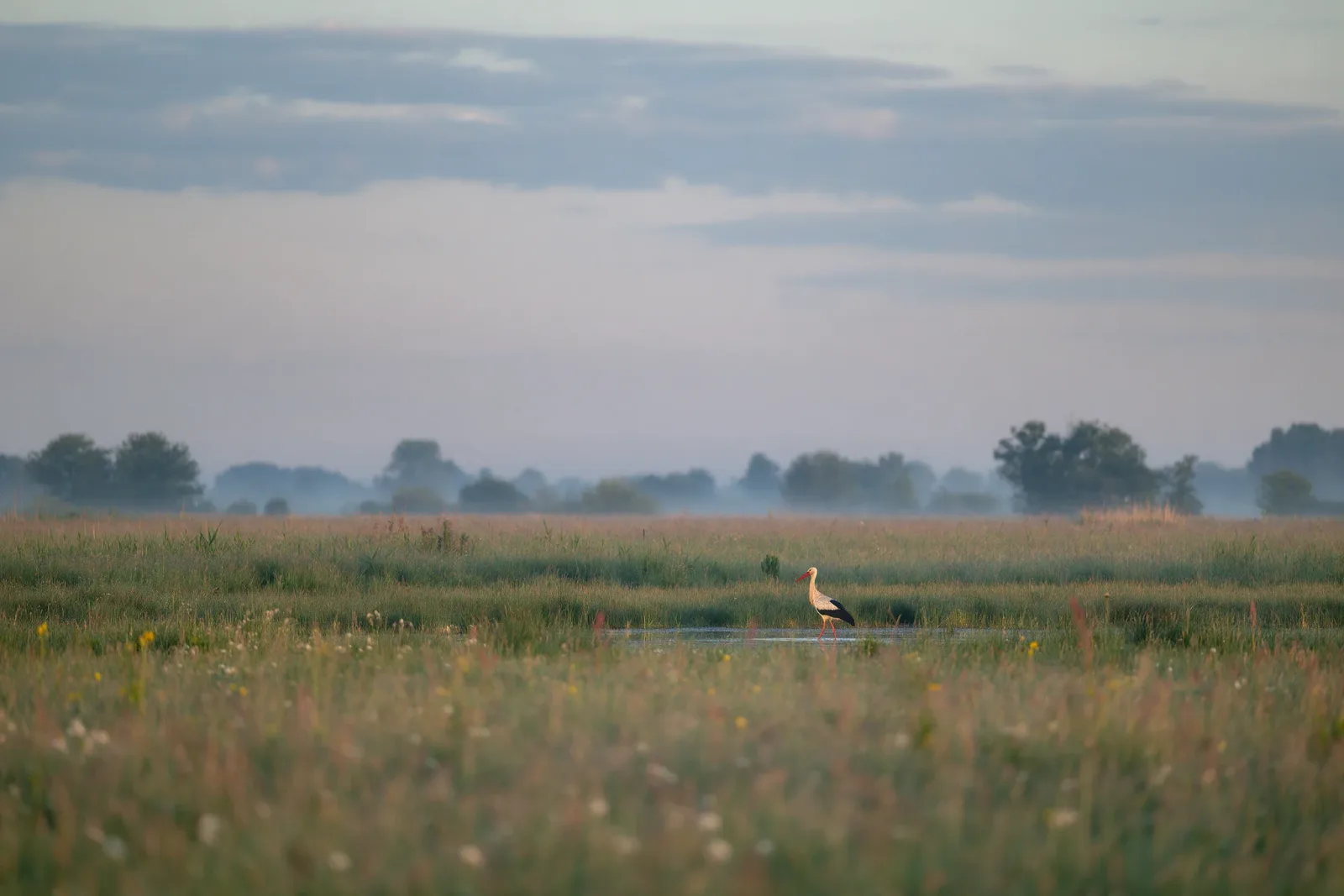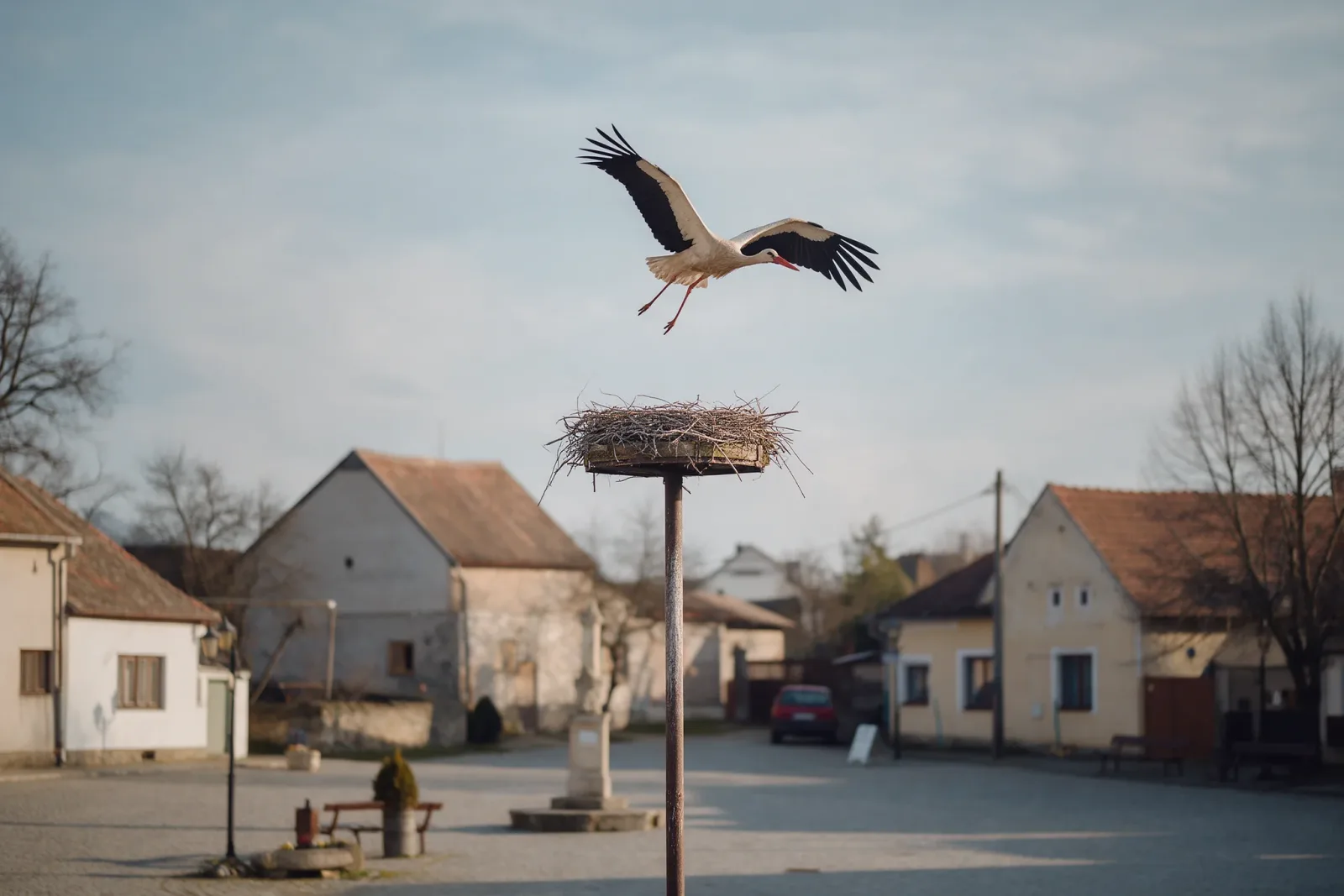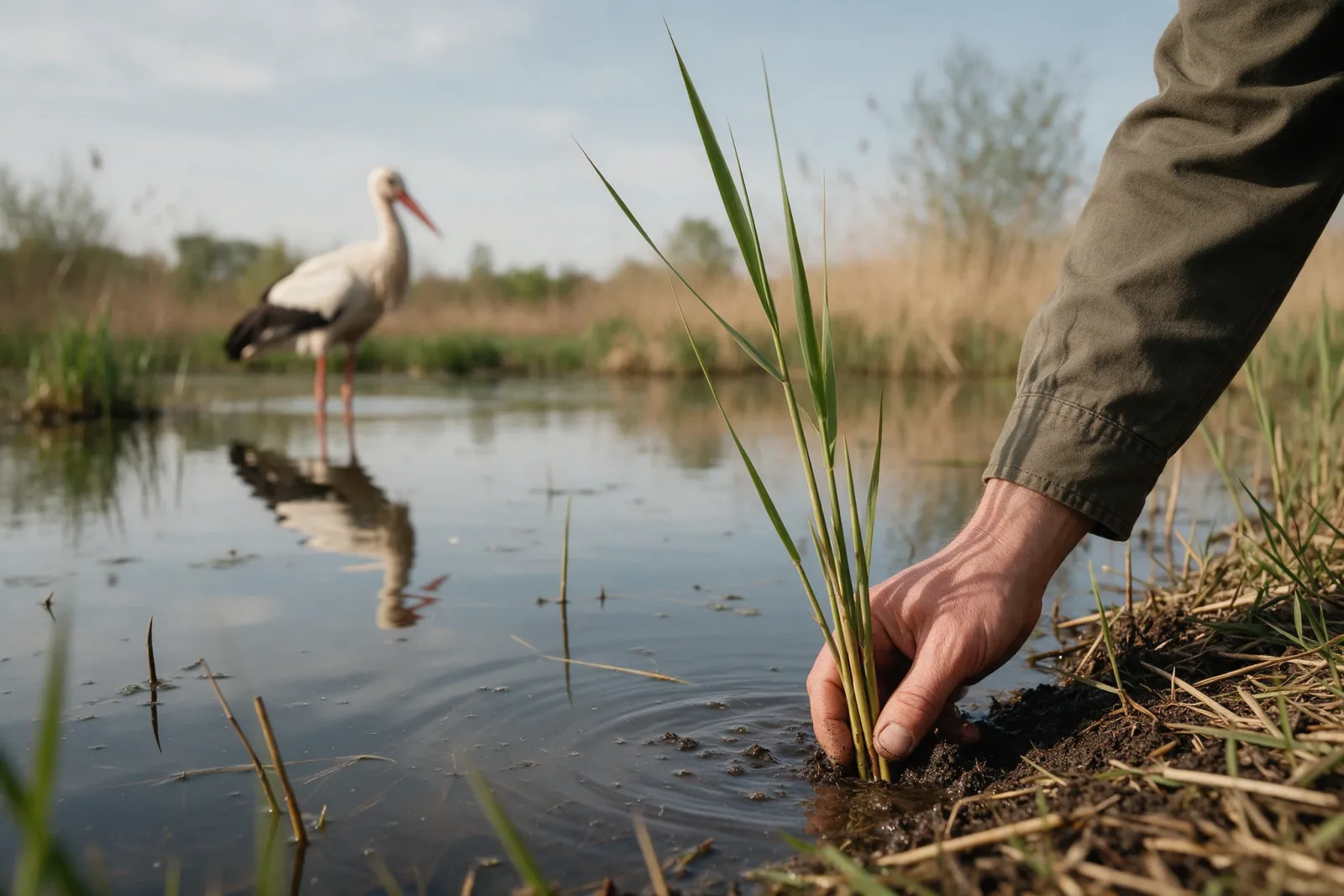
Small acts, big flocks is the quiet arithmetic of conservation, and it is the only kind most of us can ever practise. Few people will ever lead a reintroduction programme or redraw the route of a power line. But almost everyone can do something, and it is the accumulation of somethings, done by ordinary people in ordinary weeks, that adds up to a safer sky for the white stork.
The power of the local
The acts that matter most are often the smallest and the closest to home. A pond left undrained at the end of the garden becomes a feeding stop for birds. A hedge allowed to flower becomes a highway of insects. A windowsill cleared of clutter so a bird does not strike the glass saves a life no one was watching.
None of these is dramatic. Each one, on its own, changes almost nothing. But a landscape is made of thousands of such small choices, and a landscape full of them is a place where birds can live.
Habits that travel far
Some of the small acts travel with us. Choosing not to release a balloon, because it will come down as rubbish in a field where a stork feeds. Cutting the loops on twine before it is thrown away, so a bird cannot be tangled. Picking up the fishing line left on a riverbank, where a wading bird might catch its legs.
These habits cost nothing and take seconds. Their value is not in the single act but in the habit, the way a thousand people forming the same habit can keep a thousand hazards out of the nests and waters.
Supporting what you cannot do
Not everyone can plant a reed or guard a marsh, and no one should feel that is a failure. Supporting the work of others is itself a small act with large consequences. The studies that track storks, the wardens who watch the wetlands, the people who raise platforms and mark wires all depend on the quiet backing of many.
A newborn gift that directs part of its value toward stork conservation is one way to be part of that backing, without leaving home. It is not a grand gesture. It is a small, steady one, and that is exactly the kind that lasts.
The flock is made of singles
A flock of storks looks, from the ground, like one moving thing. Only when it passes close do you see that it is made of single birds, each flying on its own wings, each keeping its own place. Conservation is the same. It looks like a movement, but it is made of individuals making small choices.
The safer sky is not built by one great act. It is built by many small ones, repeated until they become a pattern, the way the storks themselves cross the sea every autumn, one bird at a time.
Explore the gift