The stork carries a heavy load of meaning. It is the bird of babies and good luck, the white figure on the chimney, the gentle emblem painted on birth cards and nursery walls. All of that is lovely, and all of it is only a shadow of the real thing. Storks are more than a symbol. Behind the legend is a real, fragile, astonishing bird, and the real bird is the one worth knowing. The symbol is a doorway, and the living creature on the other side is better than any story we have told about it. We have leaned on the stork as a symbol for so long that we risk forgetting the animal behind the meaning. But the bird does not need the legend to be loved. It needs nothing from us but the chance to keep doing what it has always done: rising on the warm air, crossing the great distance, and coming home in spring. The real stork is enough, and it always has been.
The legend we tell
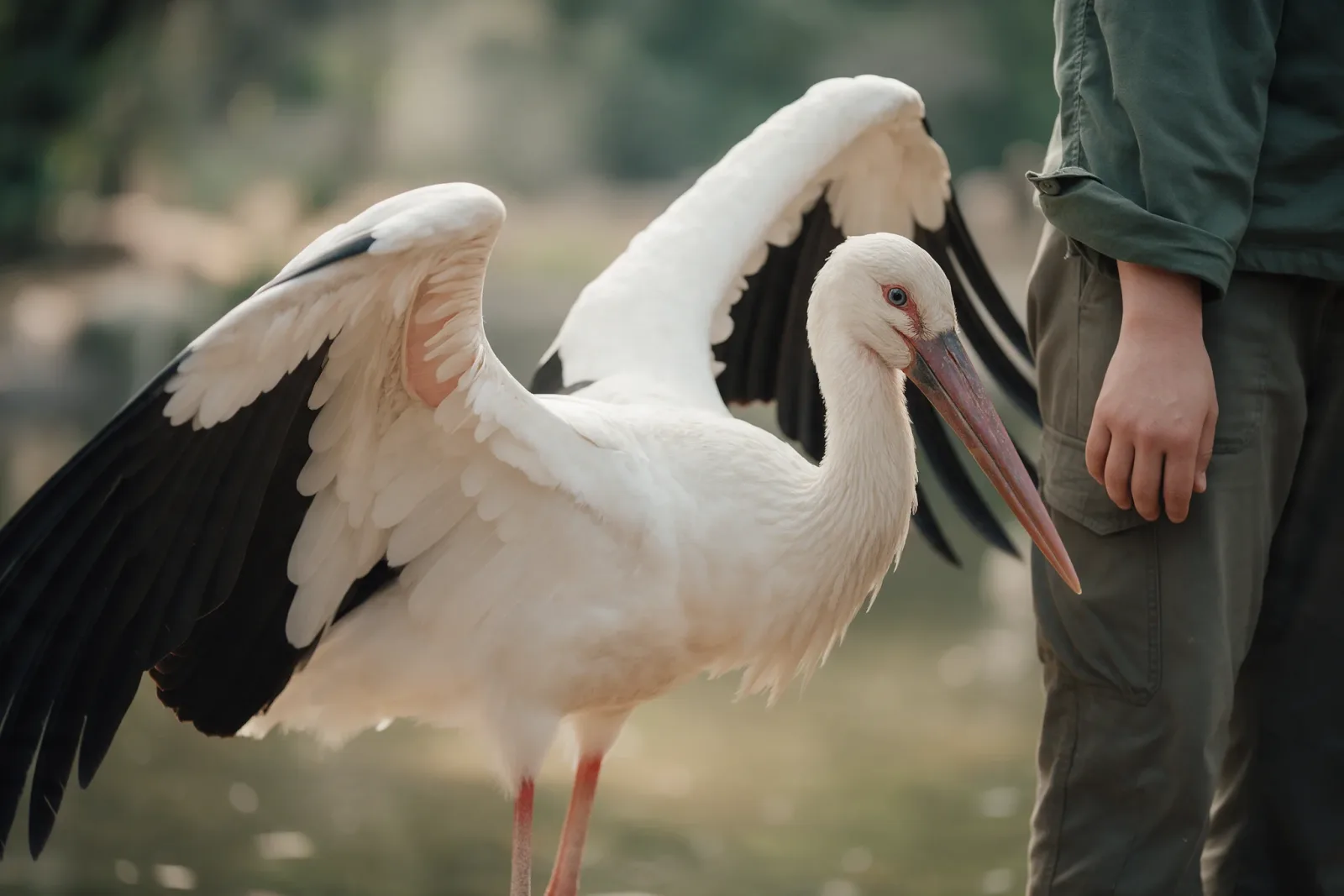
For centuries people have told a story about the stork, the bird that carries a newborn in a cloth and delivers it to a waiting family. The tale is warm and old, and it has made the stork a friend to every nursery. There is comfort in it, and a kind of truth too, because the stork does arrive in spring with new life all around it. But the story is only the doorway. The bird itself is better than any tale, and it does not need our legends to be extraordinary.
The bird itself
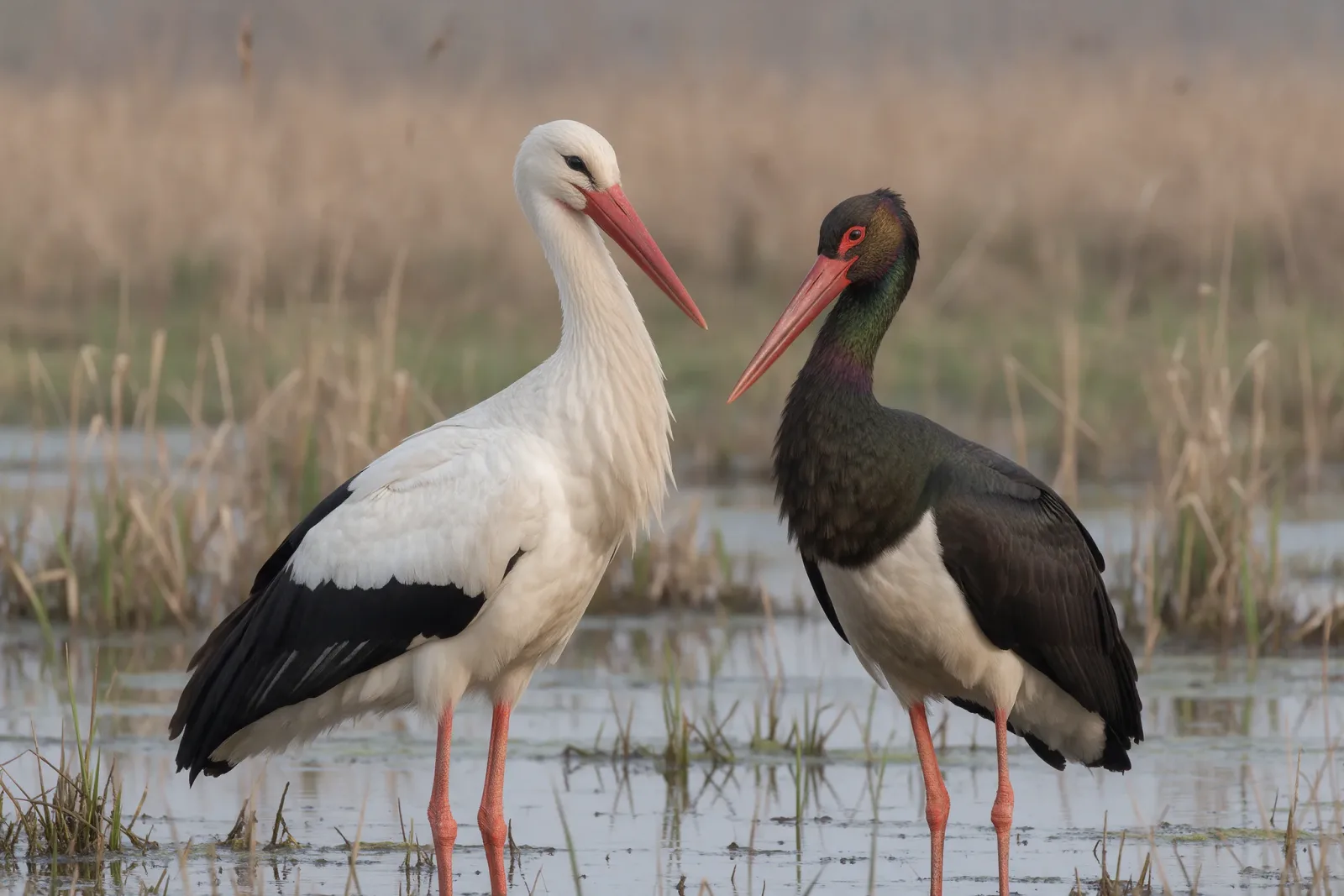
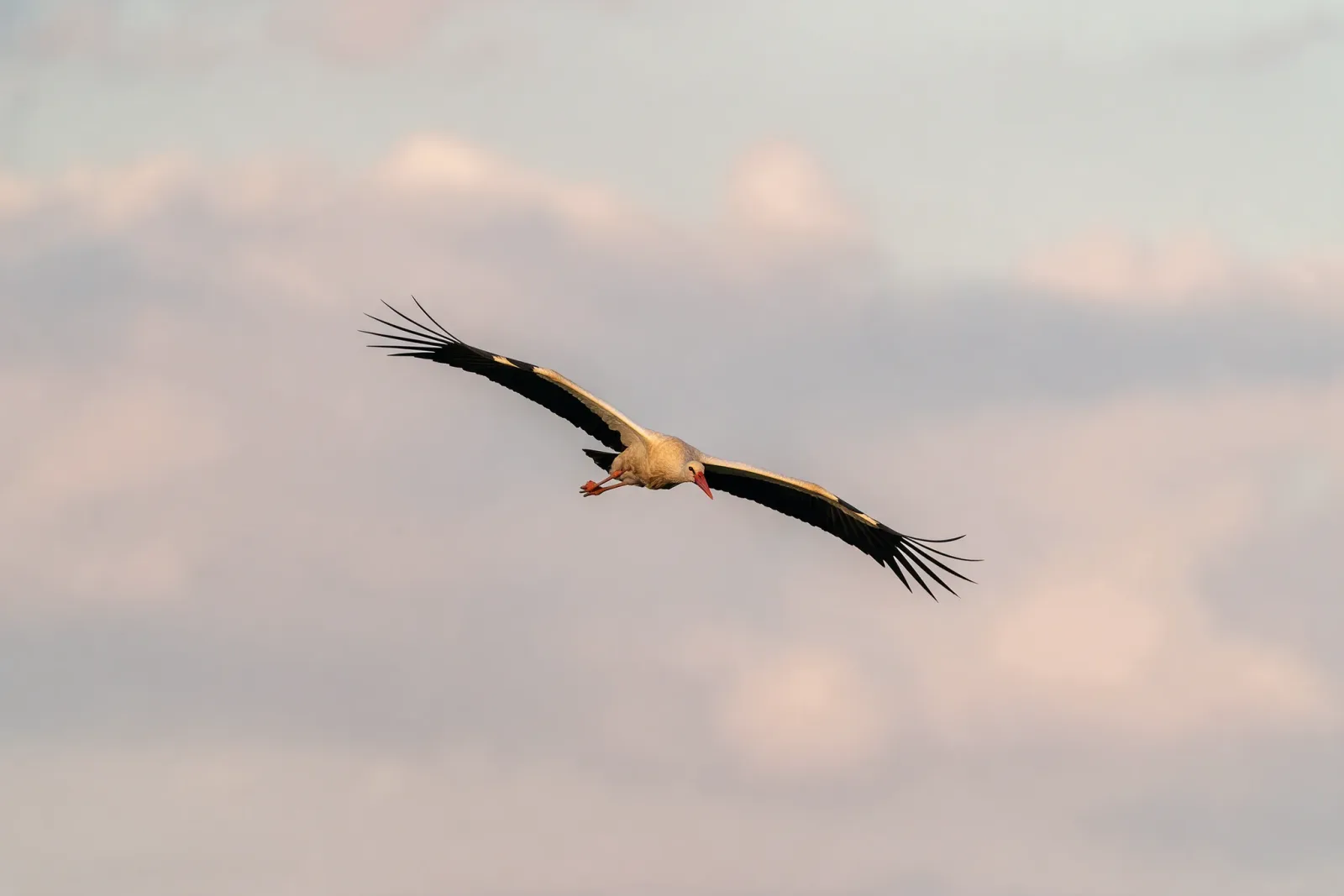
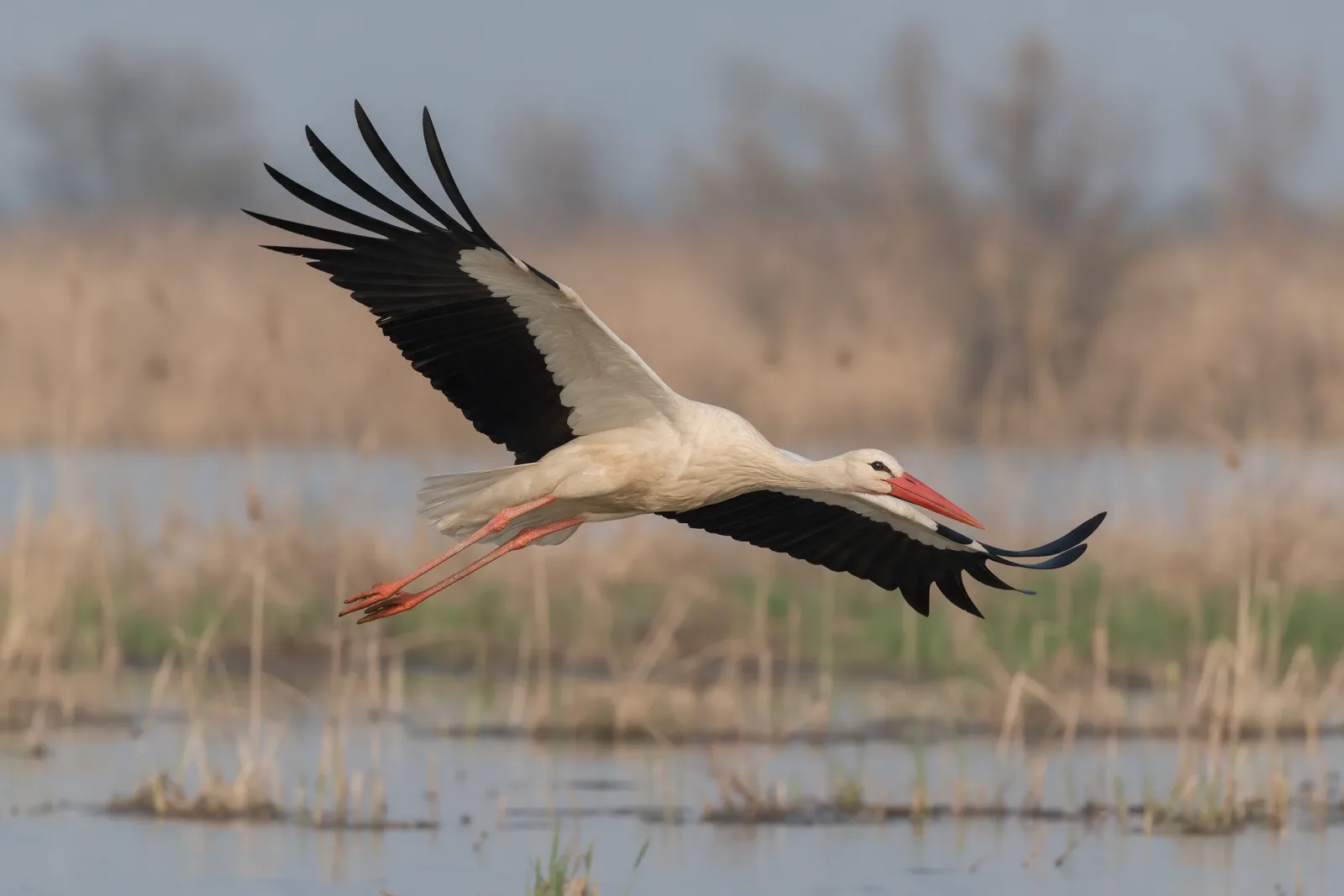
The real white stork is a creature of weather and distance. It is a bird with hollow bones and a two-metre wingspan, built to ride warm air across a continent. It bill-clatters instead of singing, stands on one leg in the shallows, and finds its way from a rooftop in Europe to the savanna of Africa and back each year, following a route no one taught it. That is not a symbol. That is a life, and it is remarkable enough without any legend wrapped around it.
A fragile traveller
For all its strength, the stork is not invincible. Its journeys carry it over deserts and seas and through storms, and its wetlands and nest sites have grown scarcer as the world has changed. The bird we love as a symbol of life is itself a thing that needs care. Its spring arrival is not guaranteed. It is won, every year, through a long and dangerous road, and the same bird that stands for new life is also a bird that depends on the health of the places it crosses.
Meeting the real bird
The way to see past the symbol is simple. Watch. Watch a stork ride a thermal without moving a wing. Watch it lower its red bill to the water and drink. Watch it return to the same nest in spring, and watch it leave again in autumn, headed south. Every one of those moments is the real bird, and none of them needs a story to make it matter. The living stork is enough, and it rewards every minute of attention we give it.
The bird behind the meaning
A symbol points away from itself, toward the idea it stands for. The stork, in the end, points back. Strip away the legend and what remains is a wild animal of astonishing patience and distance, a bird that crosses a continent twice a year and comes home to the same roof. That is not a metaphor. It is a fact of the world, and it is more moving than any story we have wrapped around it. The legend will fade and change, as legends do, but the bird will still be there, riding the warm air, and that is the thing worth keeping.
The stork is a symbol, yes, and a dear one. But it is a wild animal first, fragile and astonishing, and it is that wild bird, more than any legend, that deserves our wonder. The legend is ours, but the bird is its own, and that is the wonder of it.
Explore the gift