Childhood is full of change. Rooms change, schools change, friends change, the body changes. In the middle of all that movement, children reach for things that stay put. A steady point in a growing child's world is worth more than almost anything you can buy. A stork's name can be one of those steady points.
Names are anchors. They hold things in place so the mind can find them again. A child who knows that there is a bird out there called by a particular name has a fixed star to steer by, even on days when everything else feels loose and shifting.
A name that stays the same
The stork keeps its name. Unlike a favourite toy that is lost, unlike a friend who moves away, the name of the bird does not change. The child can return to it at any age and find it exactly where it was left. That constancy is rare, and children feel it even when they cannot say what they feel.
The world moves, the anchor holds
Seasons turn, the child grows, the family moves house, and still the stork is out there, travelling the same sky it has always travelled. The name on the map is the same name, the bird is the same bird, and the line it flies is older than any of the changes in the child's life. There is deep comfort in knowing something is older and steadier than you.
A child facing a hard day, a new classroom, a lost tooth, a first goodbye, does not need a grand philosophy. It needs a small, certain thing to come back to. A name can be that thing, small enough to hold and steady enough to lean on.
Names give children a place
A child who shares a story with a wild bird is never quite alone. The name is a thread that ties the nursery to the sky, the child to the world, the present to all the springs and autumns that came before. Pull on the thread and you find the whole wide world at the other end.
Let the name settle in
Do not hurry the child toward the name or the story. Let it settle at its own pace. The name will be there when the child is ready, at two or four or seven, and it will have lost none of its power for the waiting. An anchor does not need to be explained. It only needs to be there.
An anchor is not a leash. The name of a stork does not hold a child back. It gives the child something to push off from, a fixed point against which the rest of the world can move. Freedom is not the absence of anchors. It is the presence of a steady place to return to.
You can see the anchor at work in the small rituals of a day. The child checks the map, says the name, and is soothed. The world outside may have shifted, a new house, a new school, a new face, but the bird is the same bird, and the name is the same name. That sameness is a gift.
As the child grows, the anchor will mean different things. A comfort at three, a curiosity at seven, a quiet pride at twelve. But it never stops being what it always was: a steady point in a growing child's world, small enough to hold and strong enough to lean on.
The name will be there on the good days and the hard ones, and that is its power. A child does not need the name explained or defended. It needs only to know that when it reaches for that small, steady thing, it will find it, the way a bird finds its nest at the end of a long flight.
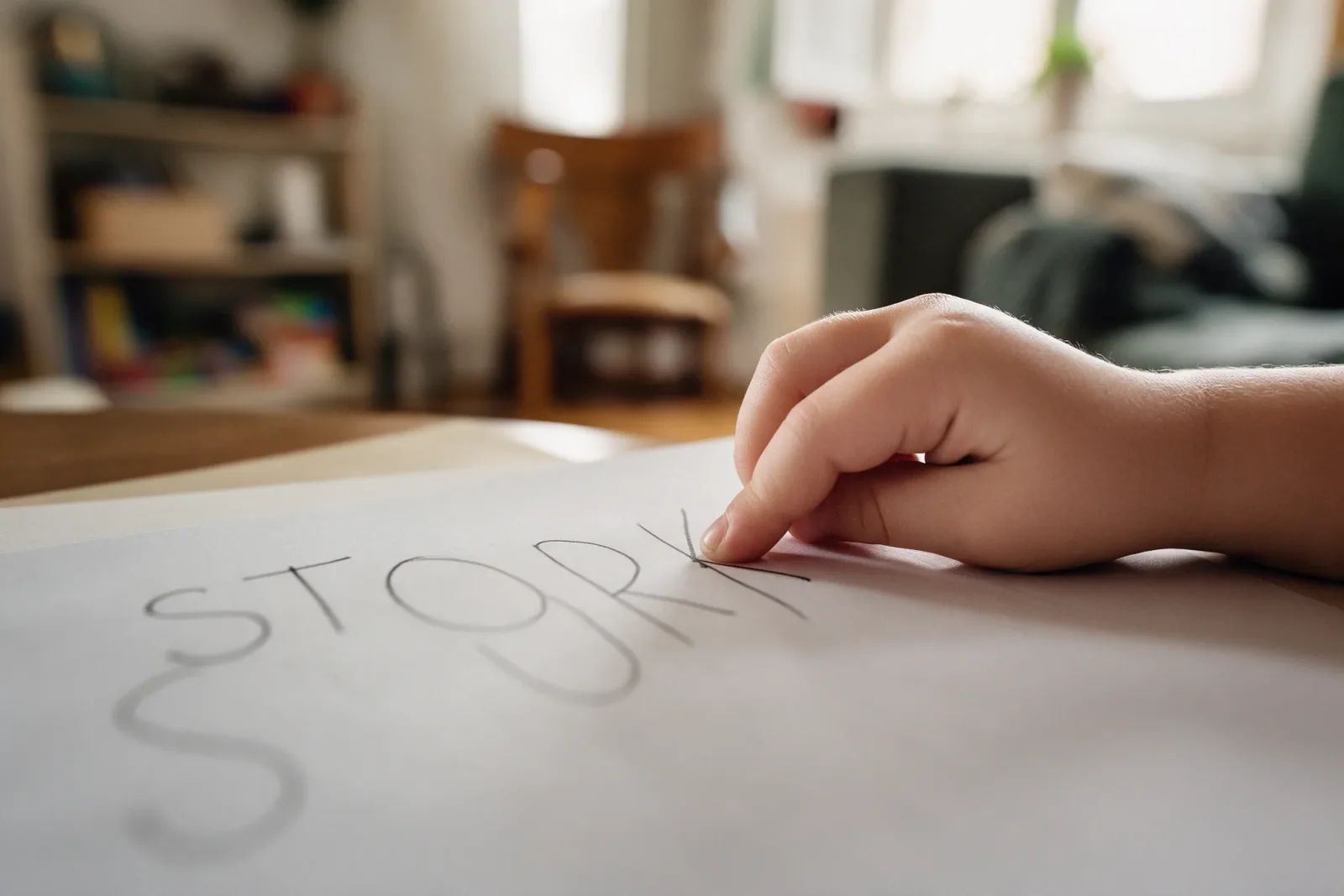
The day may come when the child writes the stork's name down for the first time, or points it out on a map, or asks to check where the bird is now. In that moment the name will have done its quiet work, holding a small person steady in a large world, and it will keep holding, year after year.
Explore the gift