The day they leave is rarely the day anyone expects. There is no announcement, no final call. One morning the fields are full of storks, and the next morning they are gone, and the quiet that follows is a sound all its own. It settles over the village and the river and the empty nests on the rooftops, a stillness that tells everyone, without a word, that autumn has truly begun.
How it happens
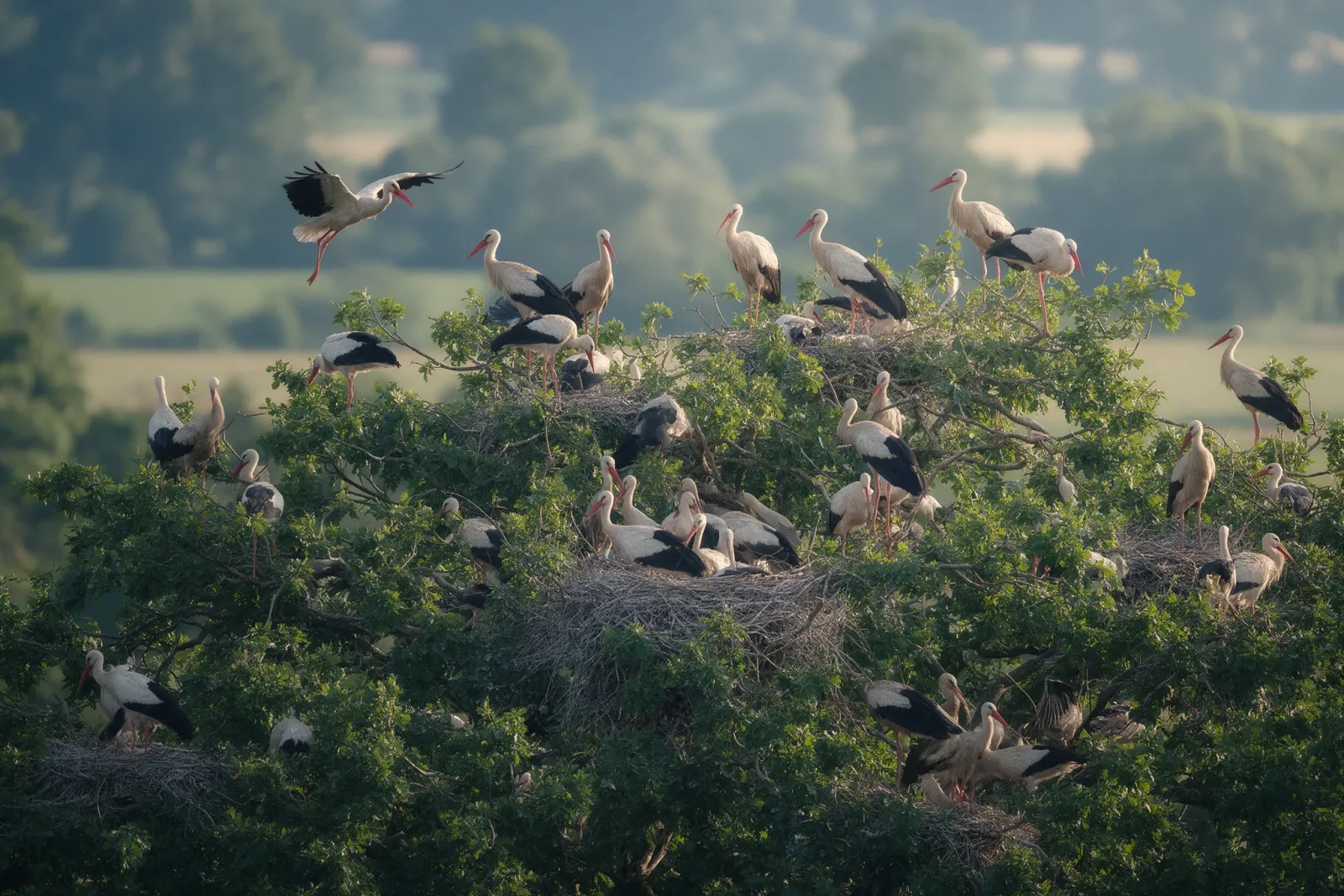
Most departures are sudden. The birds have been gathering for weeks, feeding and waiting, and then the right day comes along, a day of clear air and a helpful wind, and the decision is made. The flock rises in a loose spiral, climbing on the warm air until it is high and small, and then it turns south and is gone. From the ground it looks almost effortless, a slow unravelling of white shapes against the blue.
What stays behind
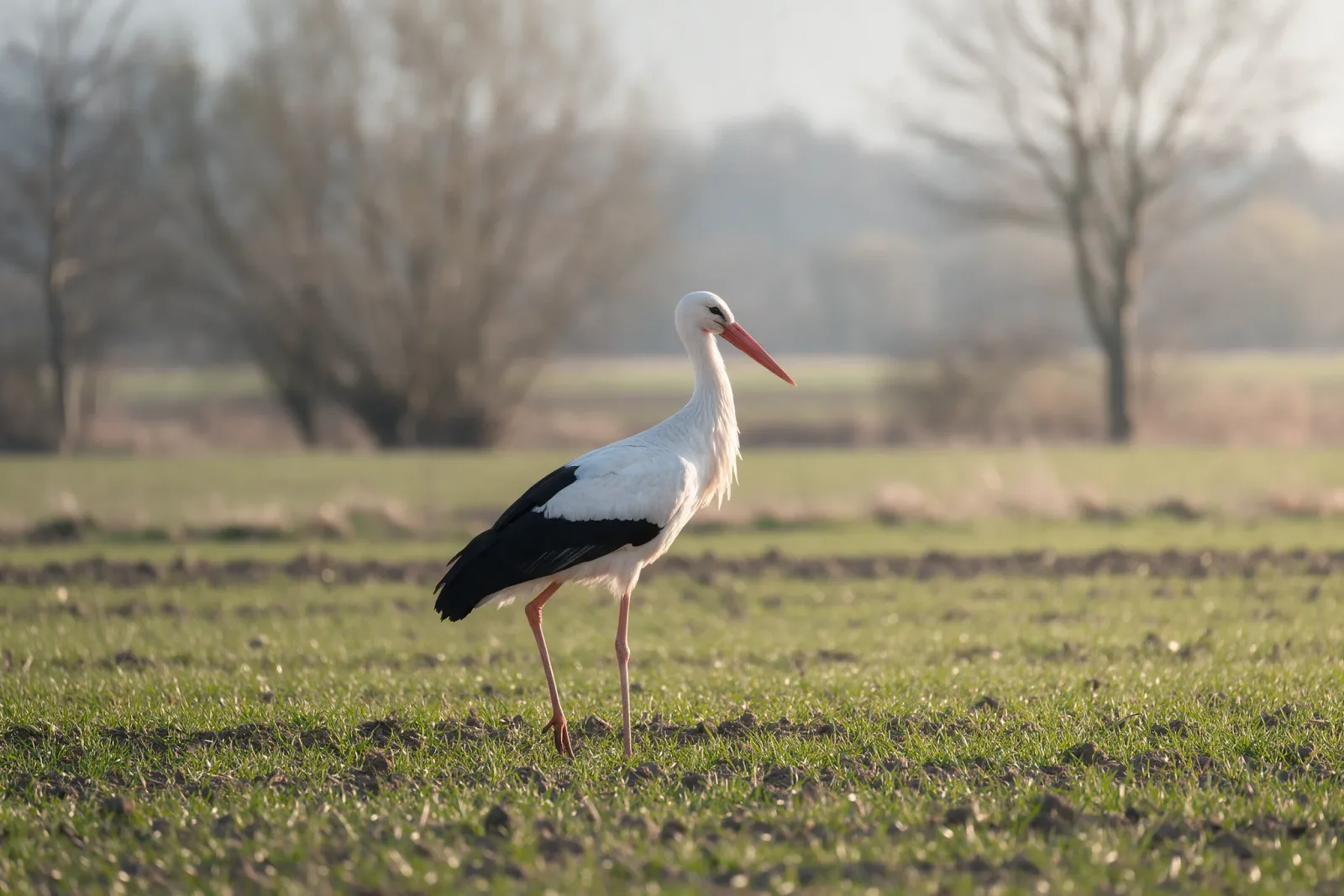
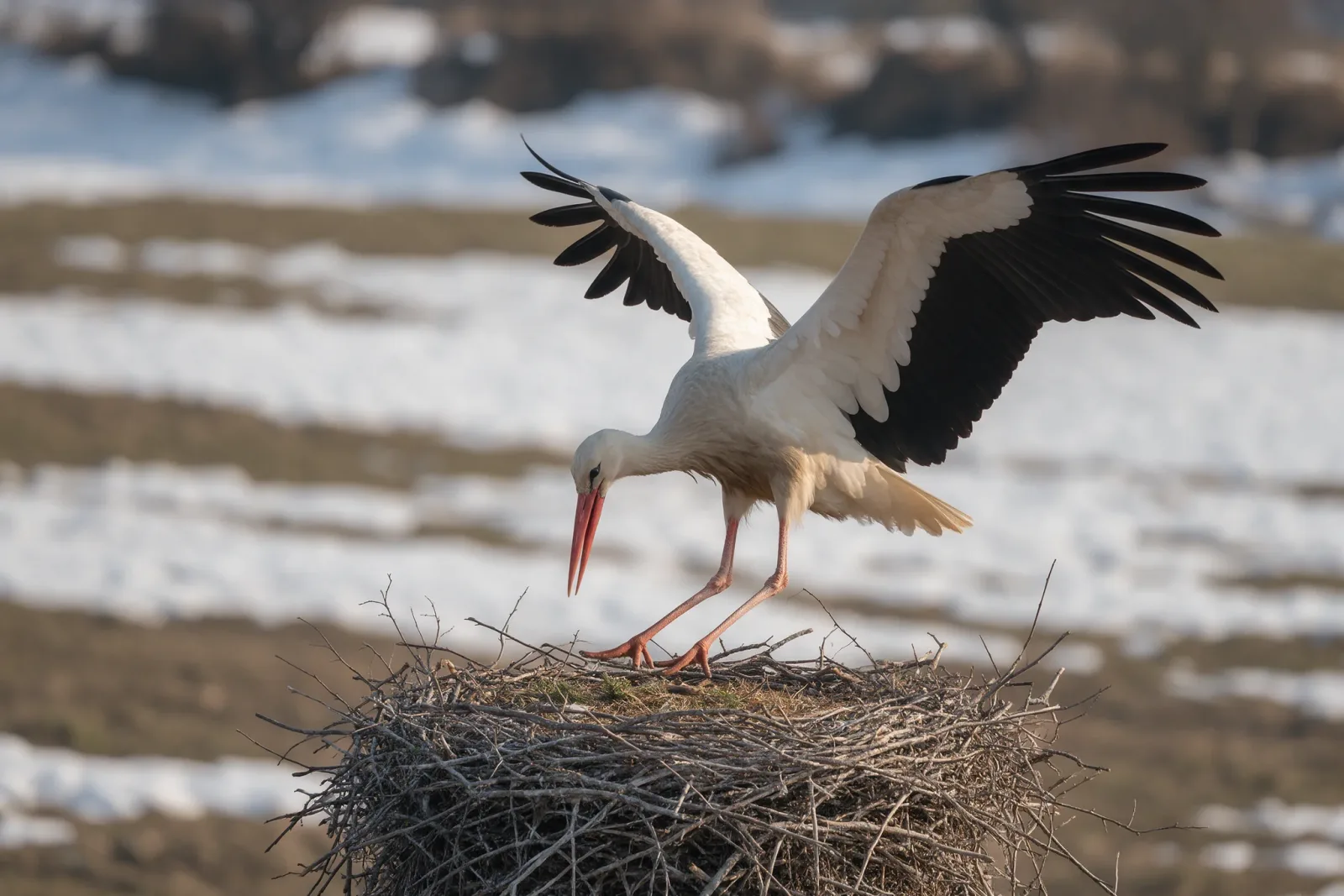
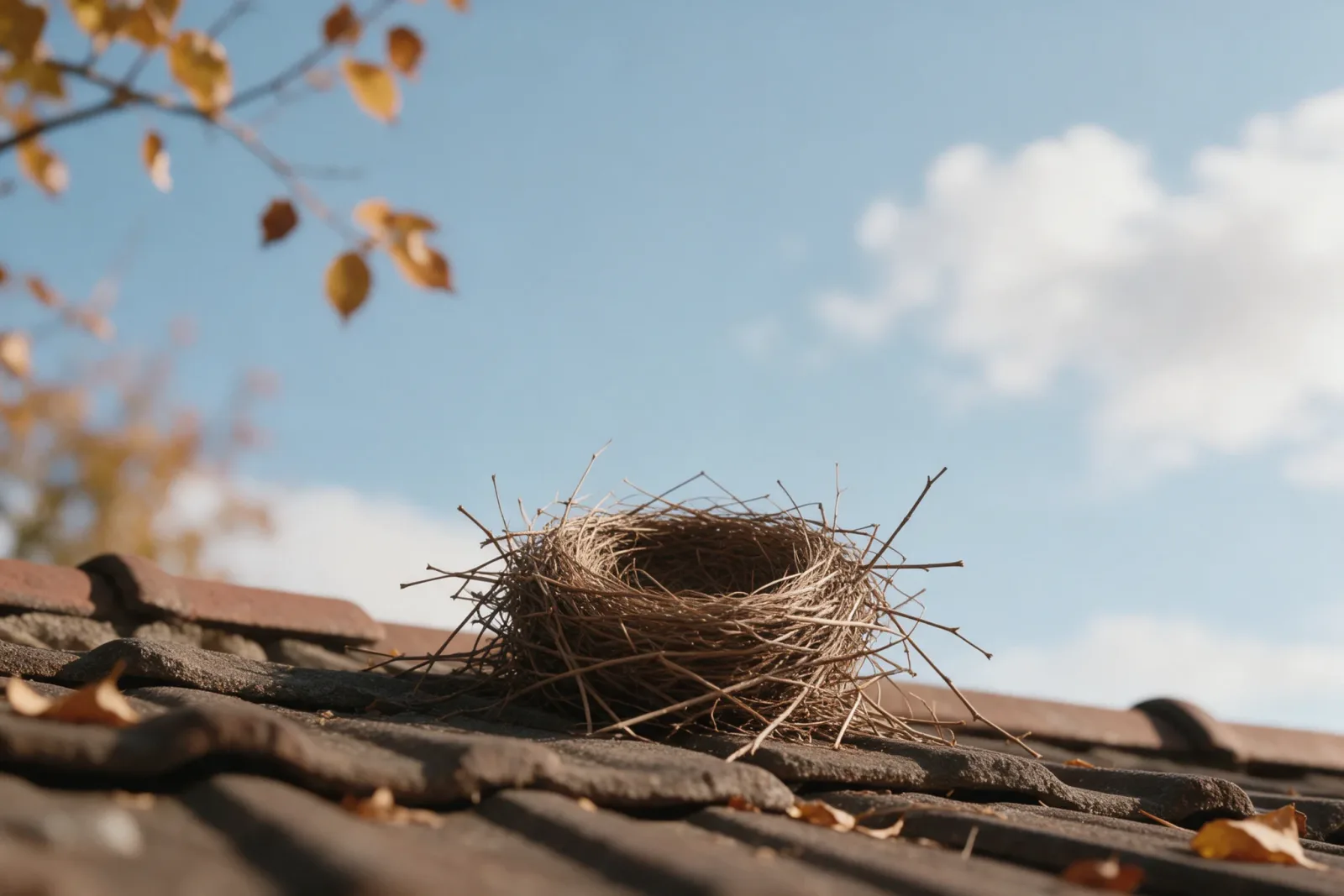
What the storks leave behind is emptier than people expect. The nests remain, big dark platforms of sticks on chimneys and towers, but they are suddenly unoccupied, and the eye keeps being drawn to them. The fields, too, seem larger once the birds have gone, as if the land had been holding its breath and only now lets it out. There is no single thing missing. There is simply less sky.
The first quiet morning
The first morning after the birds leave is the strangest. You wake to silence where, only a day ago, the air was full of the sound of wings and the dry clatter of bills. You find yourself listening for something that is no longer there. This is how people have always marked the stork's departure, not by a date but by the hush that follows it, the small ache of a season that has slipped away while no one was looking.
What the quiet means
The quiet is not an ending. It is a rearrangement. The storks have not vanished; they have moved to another part of their own lives, and the silence over our fields is simply the sound of a bird being elsewhere. For the people who watch, the empty nests are not a loss so much as a promise, a reminder that the birds will come back when the light returns. The quiet of autumn is a kind of patience, held in reserve.
Learning to live with the still sky
In the weeks that follow, the sky grows used to being still. The storks that once filled it become a memory, and the memory becomes a comfort. People look up less often, and when they do, they see only clouds and the turning colours of the trees. But the nests stay, and so does the knowledge that the birds are out there somewhere, far to the south, keeping faith with the one thing they never forget. The day they leave is not goodbye. It is see you in the spring.
Explore the gift