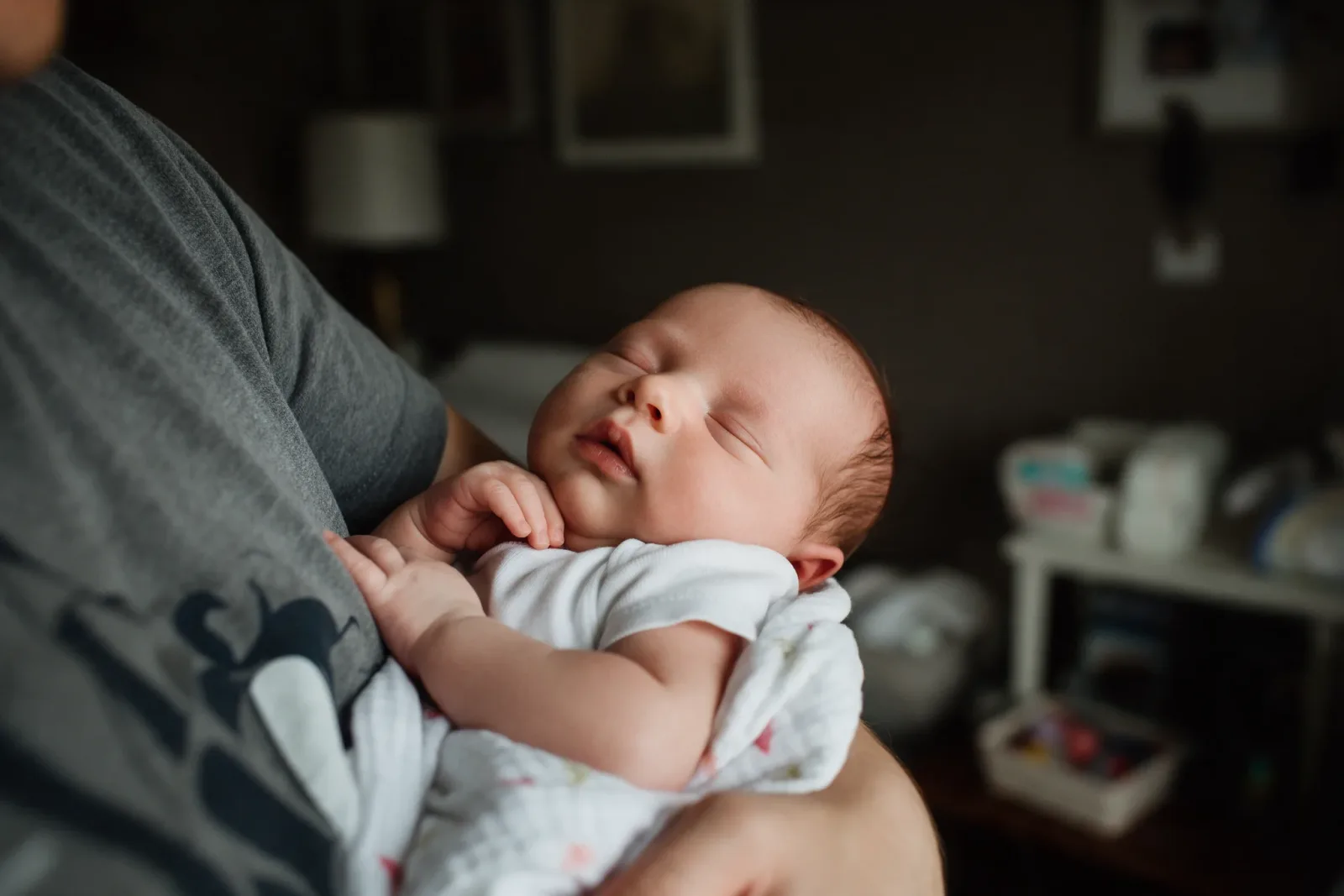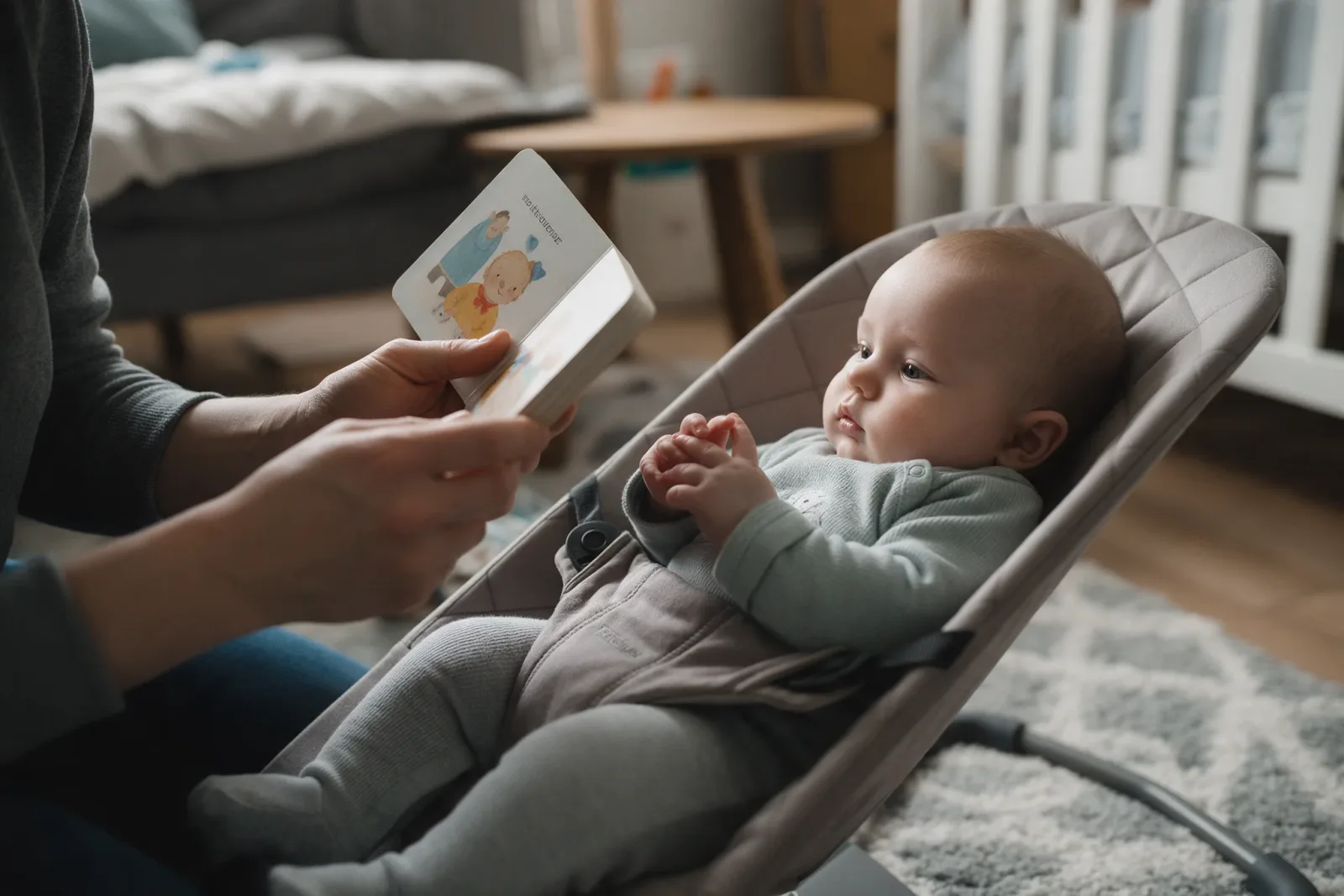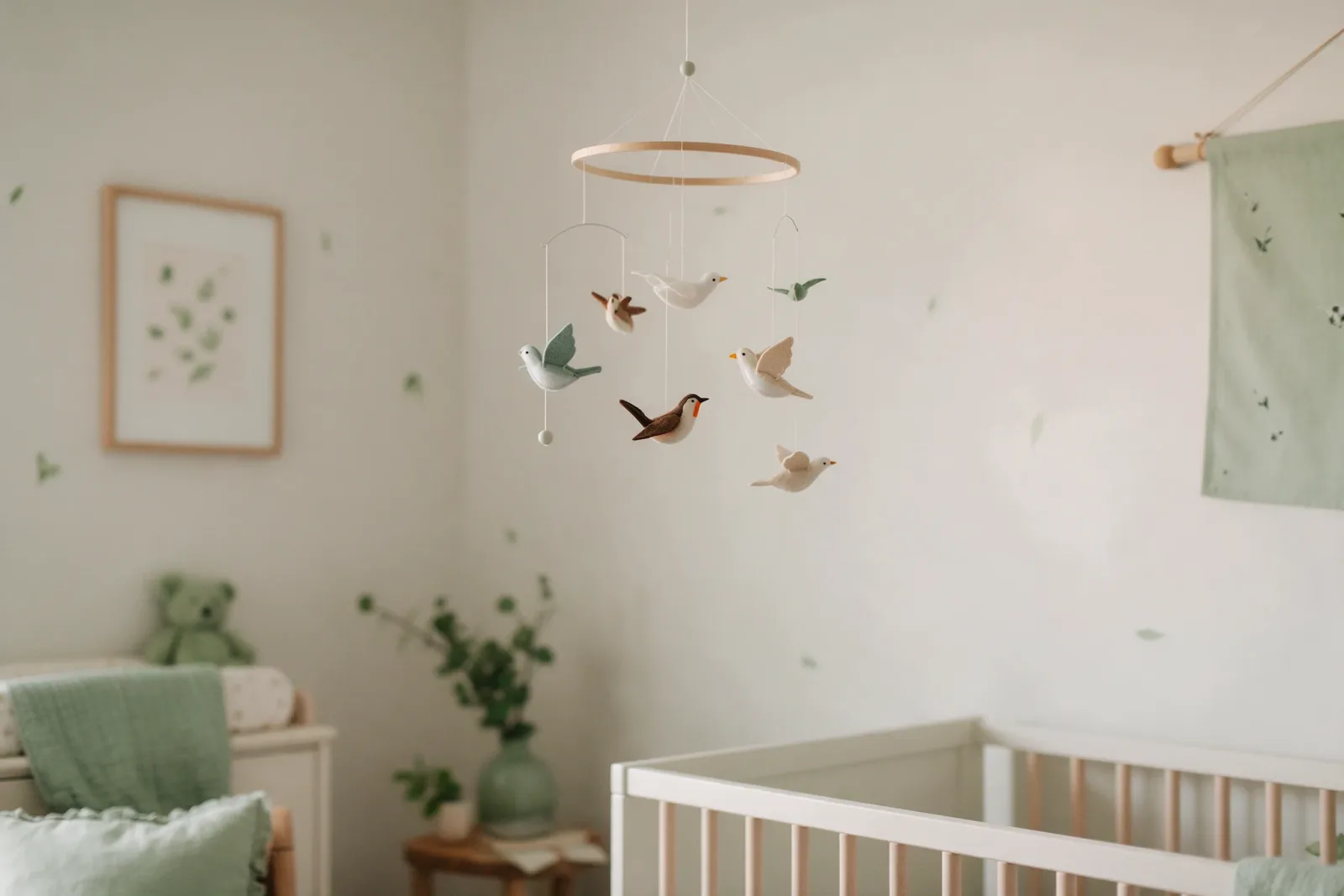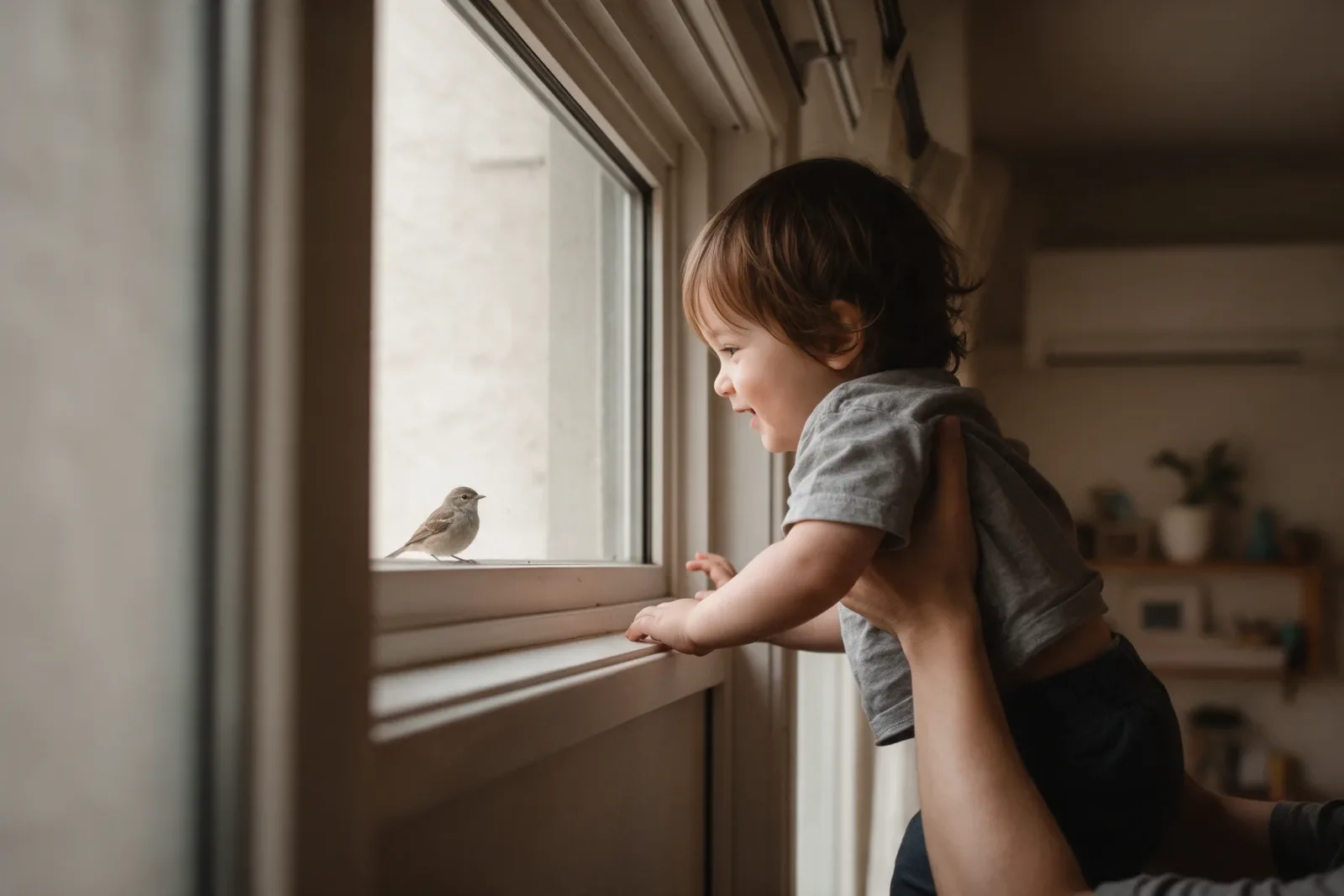
A child learns to notice the sky the way it learns everything else, by watching the people it loves. Long before anyone explains a cloud or names a bird, the child sees a parent pause at a window, tip a face upward, go quiet for a moment. That pause is the whole lesson. The parents who look up are teaching their children, without a word, that the sky is worth looking at.
It is easy to forget how much of early learning is imitation. A baby watches your eyes and follows where they go. A toddler glances up to see what you see. If you stop to look at a bird, the child stops too. If you point and smile, the child points and smiles. Attention is contagious, and you are the one it catches from first.
Look up in the ordinary moments
You do not need a special trip or a rare bird. The sky is doing something worth noticing almost every hour of the day. A line of geese at dusk, a single gull hanging in the wind, the slow drift of a cloud that changes shape as you watch. Comment on these small things out loud. Look at that cloud. Here comes a bird. The words teach the child that noticing is a normal part of being alive.
The stork makes the sky personal
A named stork changes the whole sky. Once a family is following a particular bird, the wide blue above the garden is no longer empty. It might contain their stork. The child learns that somewhere up there, or somewhere far south, a bird with a name is travelling, and that this sky is part of the same sky that bird flies through. The sky becomes a place a friend visits.
That small shift matters more than it seems. An empty sky is easy to ignore. A sky that might hold a bird you know by name is a sky you glance at twice. The stork turns the ordinary act of looking up into an act of friendship.
Let your wonder show
Parents often feel they should have all the answers, but a child learns far more from your honest wonder than from your certainties. Say I do not know what that bird is, and say it with delight. Look it up together, or do not. The point is not identification. The point is that you looked, and you cared, and you let the child see you care.
Make looking a habit
Like any habit, looking up needs repetition. Make it part of a walk, part of the drive to the shops, part of the last few minutes before bed. A quick glance at the evening sky, a word about the colour of the light, a bird called by name if one passes. None of this takes more than a moment, and none of it costs anything, and all of it adds up.
There is a freedom in being the parent who looks up. It costs nothing, requires no equipment, and asks only that you remember to do it. In a world that keeps our eyes fixed on the ground, on screens, on the next task, the simple act of lifting your face to the sky is a small act of rebellion, and your child is watching.
You do not have to be a birdwatcher to do this. You only have to be willing to stop. A parent who pauses mid-sentence to watch a bird cross the garden is teaching something no book can teach: that the world is full of small events worth interrupting your own life for.
One day the child will point, and you will miss it, and that will be all right too. Looking up is not about catching every bird. It is about building the habit of noticing, together, one glance at a time.
Looking up is also a way of being together. It needs no words and no plan. A parent and a child, faces turned to the same sky, are already sharing something. The bird, when it comes, is almost a bonus. The real gift is the looking, and you give it simply by lifting your eyes.
The day will come when your child notices a bird before you do, and calls it out, and you will understand that the lesson took. Not because you taught it, exactly, but because you kept looking up, and the child, watching you all along, learned to look up too.
Explore the gift