The return of the white stork is one of the quiet triumphs of modern conservation, and it did not happen by accident. Half a century ago the bird had vanished from whole regions, pushed out by drained marshes, poisoned fields, and the guns and wires along its migration routes. Today it breeds again on roofs where it had not been seen in a generation. The comeback is real, and it was built by hand, over years.
A comeback with many authors
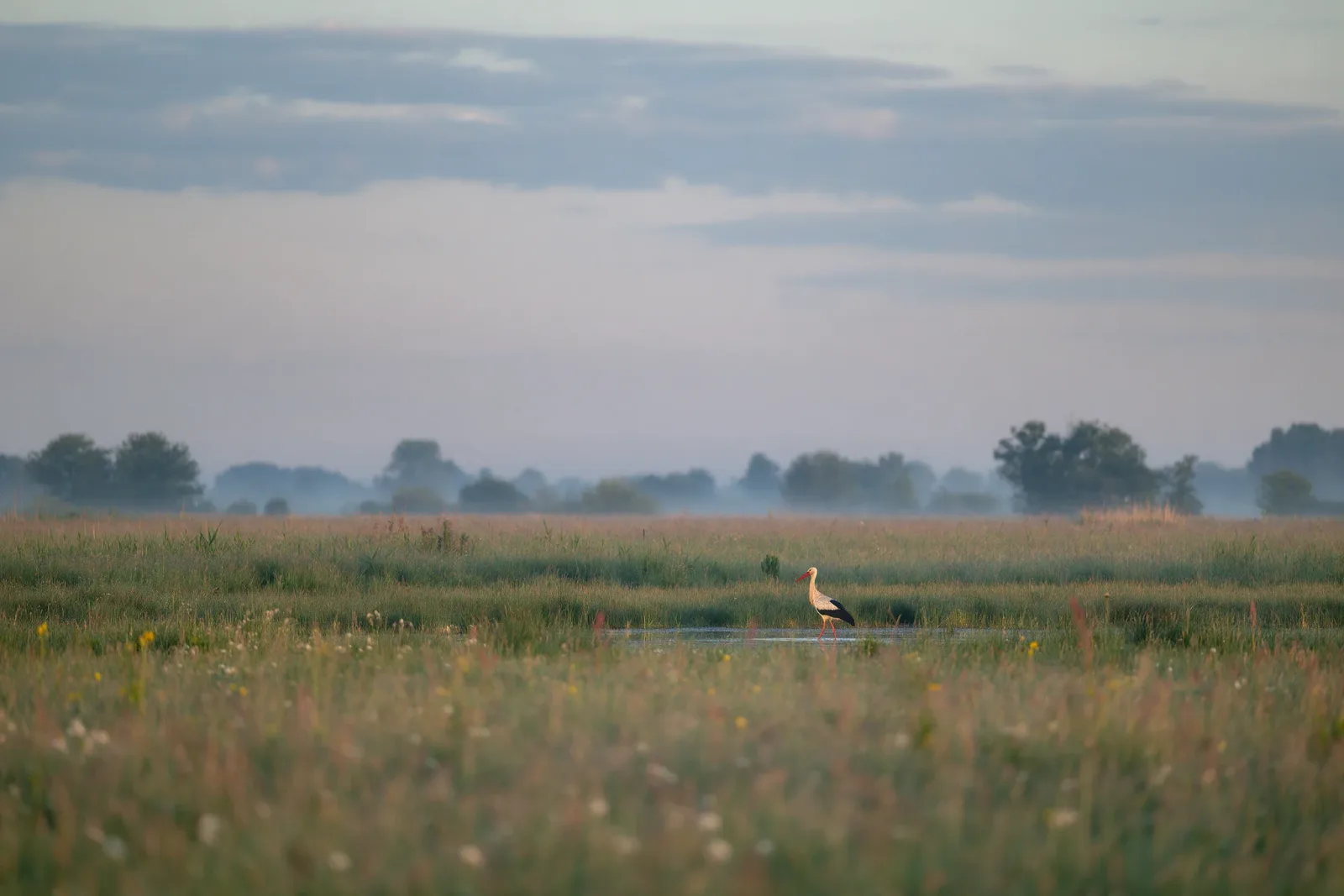
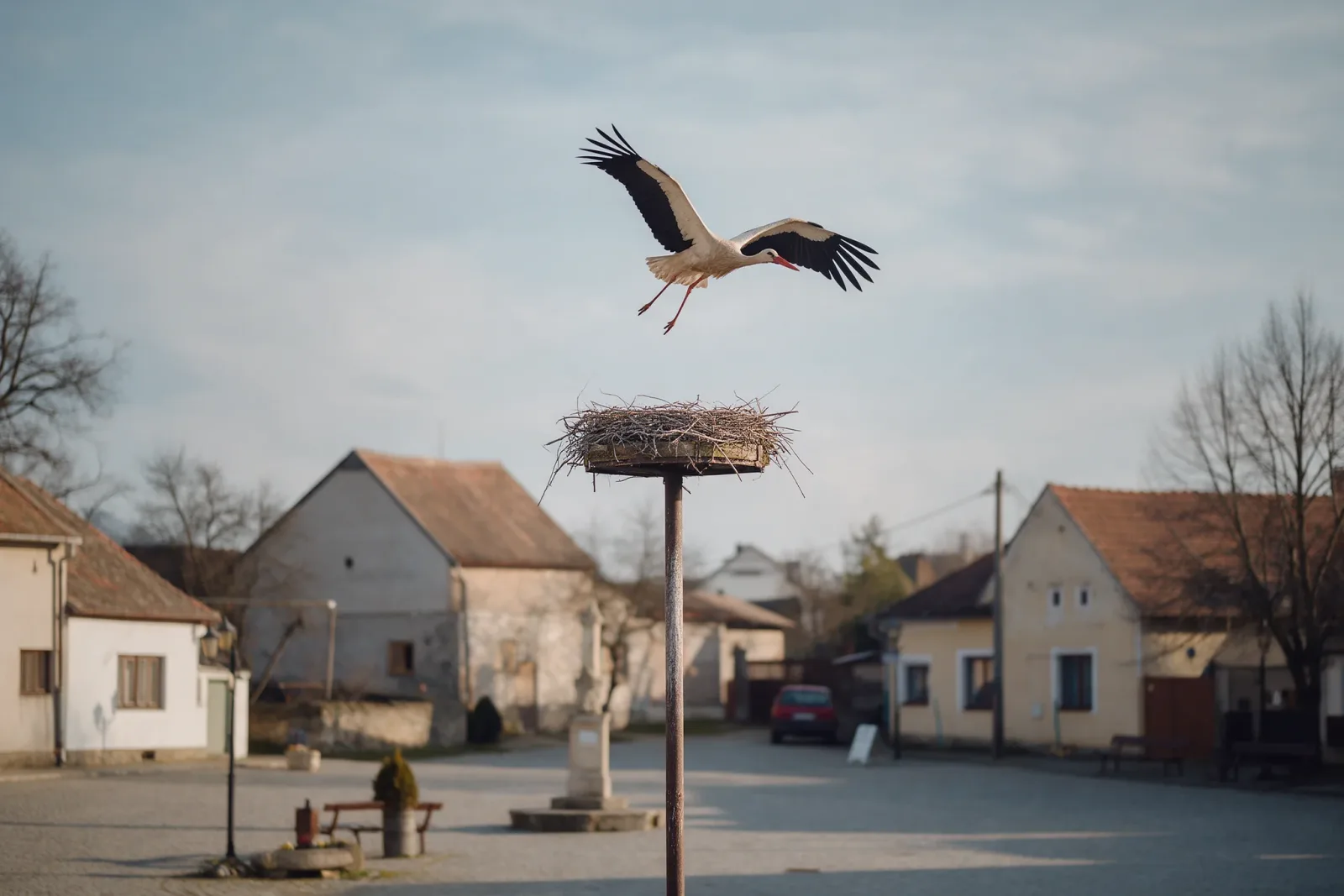
No single hero brought the stork back, and no single nation can claim the victory. The recovery was assembled from many small efforts: wetlands protected and restored, reintroduction programmes that raised young storks and released them into the wild, platforms and poles raised for nests, and wires marked so that birds could cross them safely.
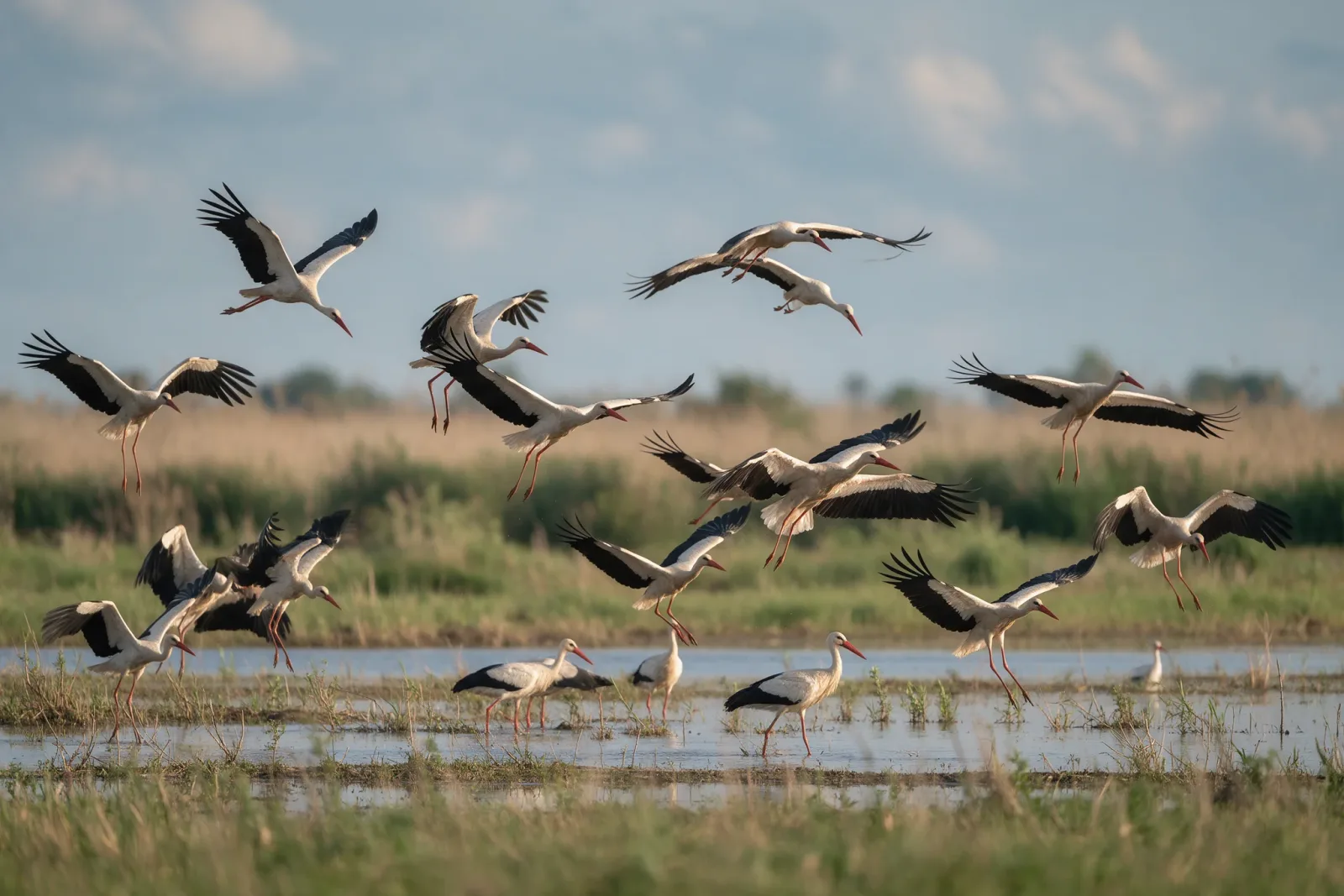
Each of these acts was modest on its own. Together, repeated over decades and across borders, they tipped the balance. The stork, given water and safety and a place to nest, did what a healthy species always does: it returned, and bred, and spread.
Reintroduction done gently
The reintroduction work deserves a careful word, because it is easy to misunderstand. Raising a stork in a reserve and releasing it is not a magic trick. The young birds must be kept from imprinting too closely on humans, and they must learn to migrate on their own, following instincts no one can teach them.
Some of the released birds travelled south and never came back; some came back and bred. Over time the programme built a self-sustaining population in places where the wild birds had disappeared. The point was never to fill the sky with captive birds. It was to give the species a foothold so that wild storks could once again stand on their own.
The work is not done
A comeback is not a destination. The white stork is still exposed to the same hazards that once emptied the skies, and its migration carries it through countries where protection is uneven. The wetland it needs in spring may be thousands of kilometres from the wintering ground it needs in January. To keep the bird, we must keep the whole chain.
That is why the watching never stops. The tracking studies, the nest counts, the marked wires, the protected marshes: they are not the prelude to the victory. They are the victory, performed again every single year.
A bird to believe in
The return of the white stork matters beyond the bird itself. It is proof, in a time when so much seems to be slipping away, that a decline can be reversed. The stork came back because enough people refused to accept the empty roofs. That stubbornness is worth remembering, and it is worth passing on.
Explore the gift