Wetlands, and why they matter, is a subject that begins in mud and ends with the air a child breathes. We have spent centuries treating these places as mistakes: too wet to build on, too soft to farm, too awkward to love. Yet a marsh is doing quiet work at every hour of the day, and both a stork and a newborn depend on that work more than either of them will ever know.
The pantry of the shallows
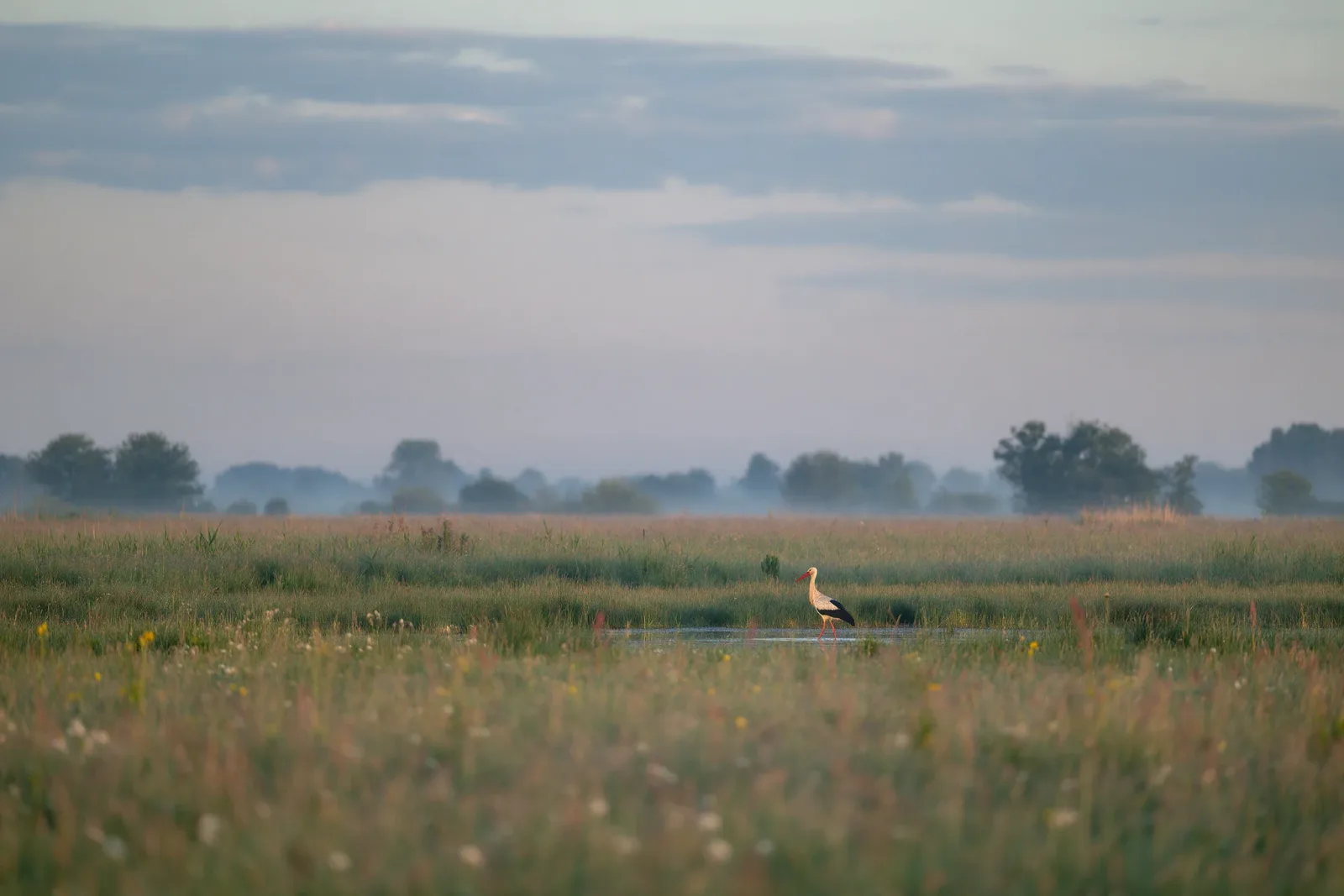
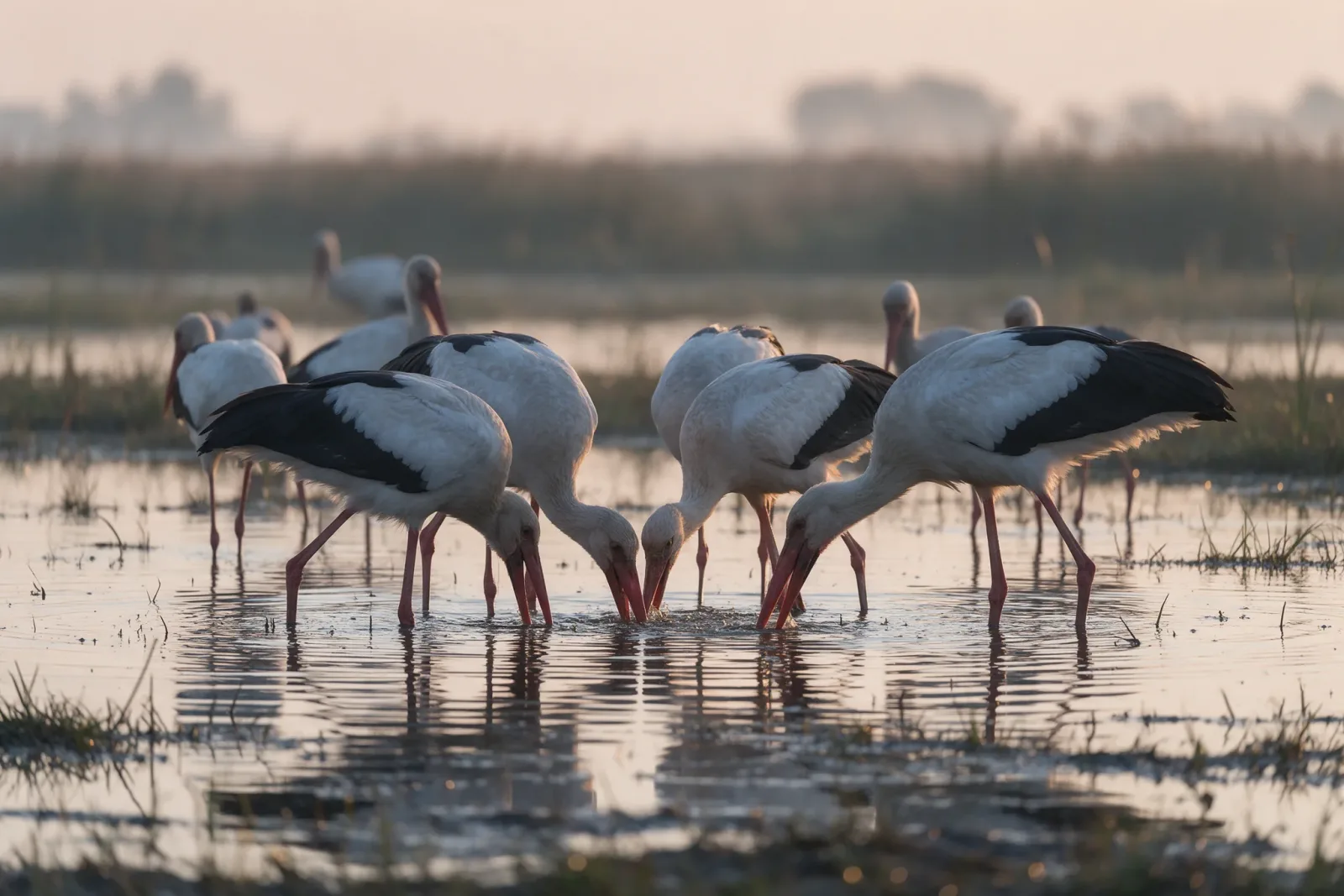
For a white stork, a wetland is first of all a larder. Shallow water is where frogs, insects, small fish, and worms gather, and a stork can wade through it all morning, dipping its bill, feeding itself and later its chicks. A dry meadow cannot offer this. Neither can a drainage ditch, or a field, or a car park. The food a stork needs exists only where the water is allowed to linger.
So when a wetland goes, the stork does not simply move to the next field. It loses its table, and its breeding season fails. The bird is not fussy. It is simply tied to wet ground, the way a fish is tied to water.
The sponge and the filter
Wetlands matter far beyond birds. They act as a sponge, holding back floodwater and releasing it slowly, so that a village downstream does not drown in a storm. They act as a filter too, trapping sediment and absorbing pollutants before they reach a river or a well. And they store carbon in their thick, waterlogged soils, keeping it out of the air.
A newborn benefits from all of this without knowing a single term for it. Clean water, a gentler flood season, a cooler climate: these are the gifts of a marsh, delivered invisibly, to the cradle.
The quiet nursery
There is a softer reason wetlands matter, and it has to do with what grows up there. A marsh is a nursery for countless small lives, and small lives feed larger ones, and the whole chain leans on a few soggy acres. When you stand at the edge of a healthy marsh at sunrise, the air is alive with sound. That sound is the sound of a system working.
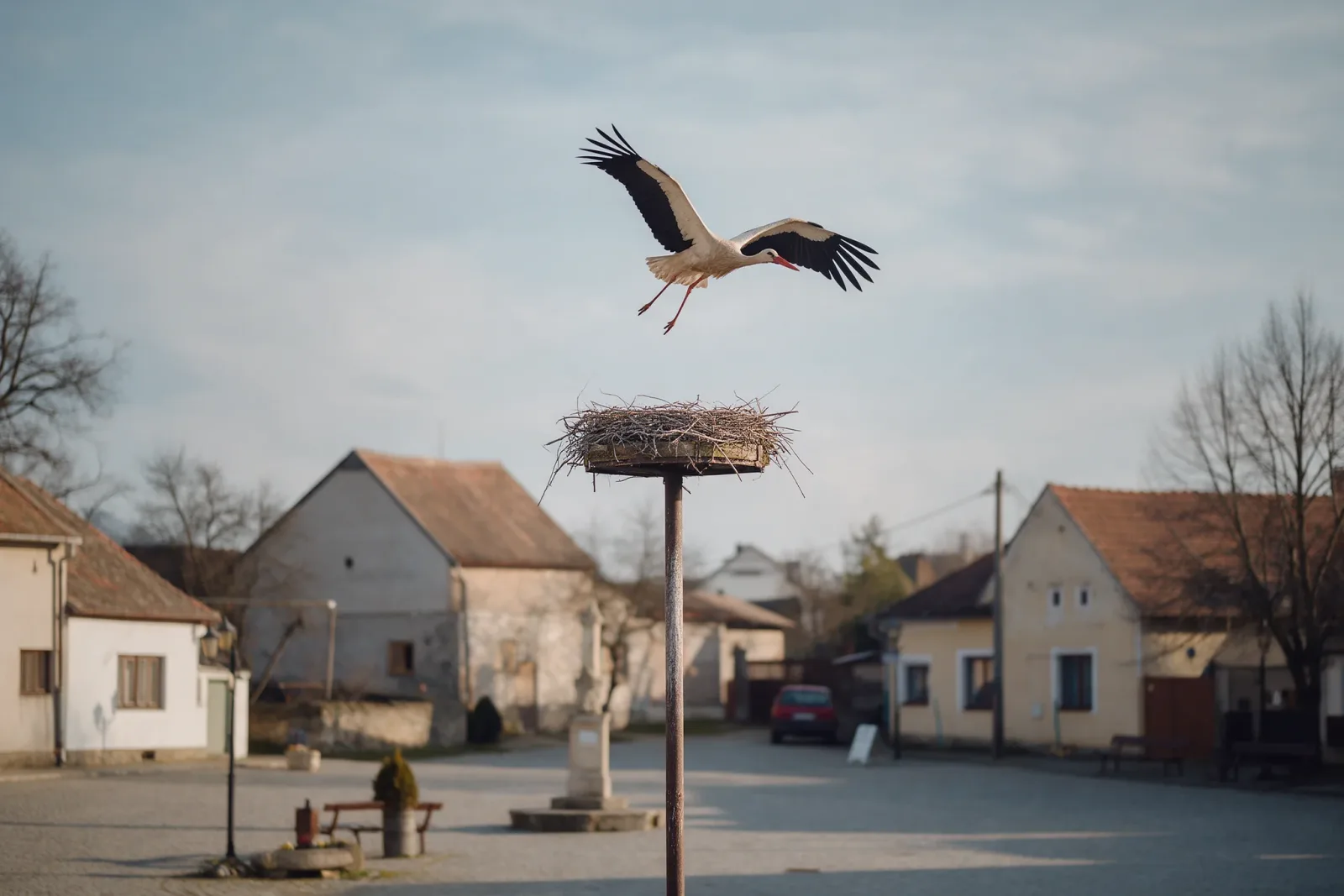
For a child, the marsh is a place of wonder: dragonflies, reed warblers, the sudden clatter of a stork lifting off. It is the kind of place that teaches you, without a word, that the world is bigger and wetter and stranger than the pavement suggests.
Keeping the soggy places
The way to protect a wetland is often to do nothing dramatic at all. Stop draining it. Keep the ditches clear of poisons. Let the water level rise and fall with the seasons, as it always did. The marsh does the rest, and it does it for free, for every creature that drinks, breathes, or wades.
Explore the gift